| OCR Text |
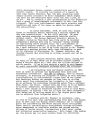
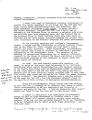
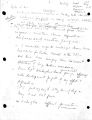
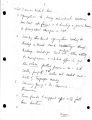
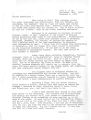
Show k. In the perspective of trying to apply the purpose of the Wilderness Act to the Uinta Range land mass; stream drainage by stream drainage (rivulet at 11,500 ft, elevation down to meandering pool or raging torrent); timbered ridge versus exposed rock; lodgepole pine thicket with or without ground cover; areas of downed spruce - the giants of a previous age; marsh, wetland, pothole; areas where I had observed wildlife use* animal trails and people trails (sometimes used mutually); wet and dry meadows low on the Range and clear up on top; flora diversity based on elevational and topographic location - these were all the criteria indicating natural features and diversity desireable in wilderness areas. The boundary for the 659,000 acre High Uintas Wilderness fell into place as it incorporated, not the consumptive uses of the neighboring public today, but the natural and interrelated associations of rock, vegetation, surface water, precipitation and its living and dependent animals, birds, reptiles and fish* It would be a cohesive whole which could be then proposed as a 659,000 acre part of the nation's wilderness heritage. The demand for wilderness today has far exceeded the 1933 High Uintas Primitive Area proposal of 325.000 acres, designated 40 years ago. The demand far exceeds the 1967 Forest Service proposal to add alpine cirque basins on the North Slope. It exceeds the present Forest Service 469,000 acre High Uintas Wilderness proposal. It exceeds, in fact, any classifiable wild acreage available in the whole nation. The public response to designated wilderness areas is immediately enormous; it indicates public interest in such lands and cannot be misconstrued, as it frequently is by the Forest Service, that if such lands are left undesignated for wilderness, the public won't frnoio about them and these lands won't be overrun! The citizens' proposed 659,000 High Uintas Wilderness seemingly a large area proposal today - quite probably will be~inadequate to meet the demand even forty years from now. " Let the natural fires create the vegetative diversity to produce the wildlife diversity on this Range. Let some of fHe wildlife species native to this Range be re-introduced so the future may know the past. Let the unique character of a Uinta Range be no more diminished than it already is for it can never be replaced. Let the poles for mine props in southern tTtah, now proposed as a timber outlet from the Uintas, be located where their extraction really doesn't matter. Let those who have lost -their sense of wonder move to the mid-west cornfields - for they lack the vision needed to understand wilderness .. or the heart to feel it. Chepeta Lake - Dry Fork Roadless Areas The justification for closing the Chepeta Lake - Dry Fork Roadless Area from consideration for wilderness study or classification on the basfs of using this area to highly develop recreation access and opportunity - is to fail to realize that it is this particular area where a great portion of the Uinta Range wildlife was seen and inhabits. Evidence of Bear, Cougar, and Bobcat were noted on -tke Pass above Reader Lakes. The entire "route" from Johnson Park up through the series of lakes - Tedfs |