| Title |
Central Utah Project, Bonneville Unit correspondence, 1978 |
| Description |
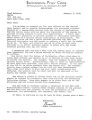
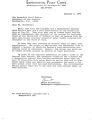
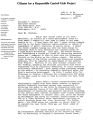
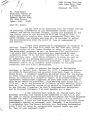
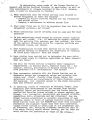
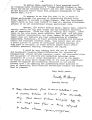
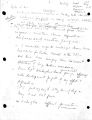
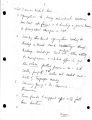
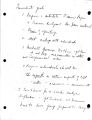
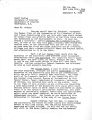
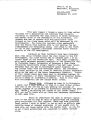
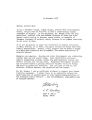
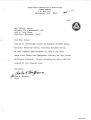
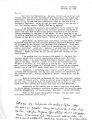
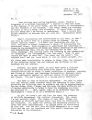
Correspondence from 1978 relating to the impact of the CUP's Bonneville Unit on Uinta Mountains streams, including Rock Creek; From the The Dorothy Harvey papers (1902-2005), a collection of materials focusing on the Central Utah Project (CUP), a water resource development program to use Utah's alloted share of the Colorado River. Includes correspondence, Harvey's writing drafts and notes for an unpublished book on the CUP, federal documents, project litigation materials, subject files, news clippings, newsletters, programs, brochures, and maps. |
| Subject |
Central Utah Project; Rivers--Environmental aspects--Utah; Water resources development --Environmental aspects--Utah; Water-supply--Utah--Salt Lake County |
| Creator |
Harvey, Dorothy |
| Contributor |
Citizens for a Responsible Central Utah Project; Beard, Brian |
| Additional Information |
Includes: Public comments on Charles M. Russell National Wildlife Refuge, Montana; Correspondence about formation of a Central Utah Project Coalition (later, Citizens for a Responsible Central Utah Project); Letters to Interior Secretary Cecil Andrus and other officials concerning the CUP and the proposed High Uintas South Slope Land Management Plan and Draft Environmental Statement |
| Spatial Coverage |
Colorado River Basin (Colo.-Mexico); Uinta Mountains (Utah); Rock Creek (Duchesne County, Utah); Jordanelle Reservoir (Utah); Charles M. Russell National Wildlife Refuge (Mont.); Salt Lake County (Utah); Duchesne County (Utah) |
| Collection Number and Name |
Accn2232 bx 57 fd 2; Dorothy Harvey papers |
| Rights Management |
Digital Image © 2010 University of Utah. All Rights Reserved. |
| Holding Institution |
J. Willard Marriott Library, University of Utah |
| Date |
1978 |
| Digitization Specifications |
Original scanned on Epson Expression 10000 XL and saved as 400 ppi TIFF. Display image generated in Contentdm. |
| Publisher |
Digitized by J. Willard Marriott Library, University of Utah |
| Type |
Text |
| ARK |
ark:/87278/s63r0rvb |
| Setname |
wwdl_neh |
| ID |
1150852 |
| Reference URL |
https://collections.lib.utah.edu/ark:/87278/s63r0rvb |
| Title |
Page 18 |
| Setname |
wwdl_neh |
| ID |
1150666 |
| OCR Text |
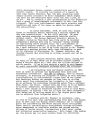
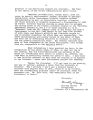
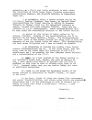
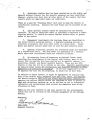
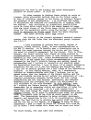
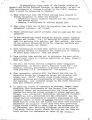
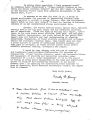
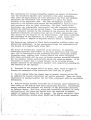
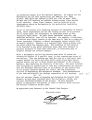
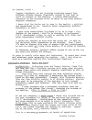
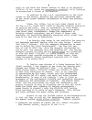
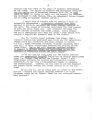
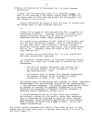
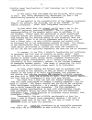
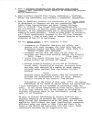
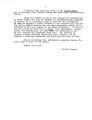
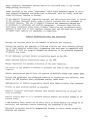
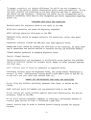
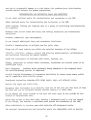
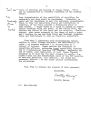
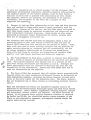
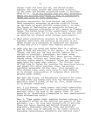
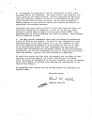
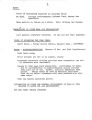
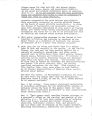
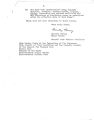
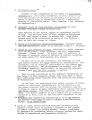
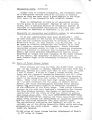
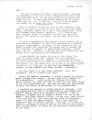
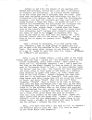
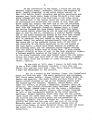
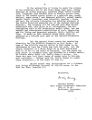
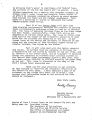
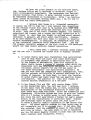
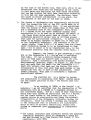
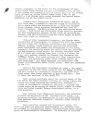
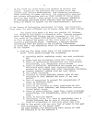
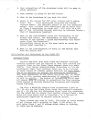
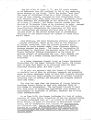
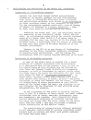
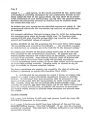
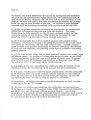
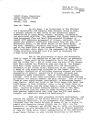
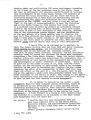
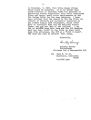
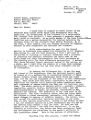
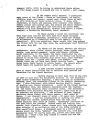
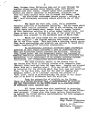
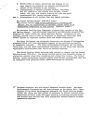
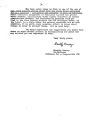
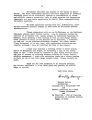
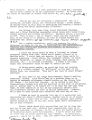
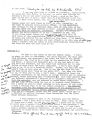
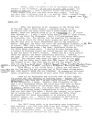
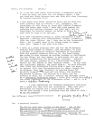
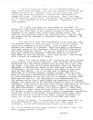
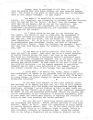
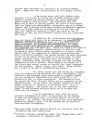
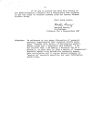
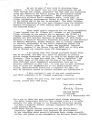
Show ^v. 5. Hydrologic studies have not been carried out on the Ashley and Wasatch National Forests for the specific purposes you have identified. However, studies have been done in other parts of the country that have results which are applicable under our conditions. There is a need for "flushing flows" each year to keep the channel in satisfactory condition. Requests for such flows will be included in our claims. 6. Again specific studies cannot be specified for the Forests involved. As long as sufficient water is available to maintain a viable riparian habitat, it should not matter whether surface water or ground water is the source. 7. Management requirements for instream flows are identified in the Forest Service planning process. A Regional planning process is currently in progress that will cover needs at a broad level. Forest plans and special project plans will be used for more detailed needs. 8. Specific evaluation criteria for recreation needs are developed on a case-by-case basis. The flow needs are quantified on a seasonal basis since most recreational needs are seasonal in nature. 9. In assessing losses of resources on National Forest lands resulting from developments of the Central Utah Project, many of the losses that you mention have been spelled out in specific reports, i.e., Bonneville, Uintah, and Upalco Analysis Reports. These are not 1978 reports so they may not be as current as you wish. Specific quantification in terms of money values for recreational and fisheries purposes is often subjective and difficult to establish. If you have suggestions on how to approach the task you are proposing, we would like to have them. In addition to these answers, it might be appropriate to indicate that many of the studies being suggested take much time, money, and manpower. You should recognize that we do not always have the total resources to complete the desired studies within the timeframe we have to operate in. When such situations confront us, we do the best we can to extrapolate information and methodologies from outside the immediate area to the situations at hand. Thank you for your interest in and your concern for the environmental issues that are so critical in our everyday management of the National Forests. Sincerely, *f- VERN HAMRE Regional Forester |
| Reference URL |
https://collections.lib.utah.edu/ark:/87278/s63r0rvb/1150666 |