| OCR Text |
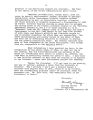
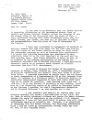
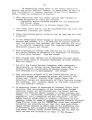
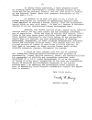
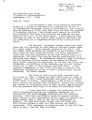
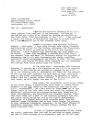
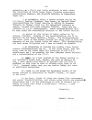
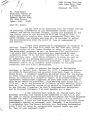
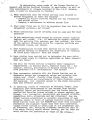
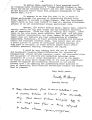
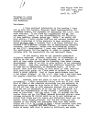
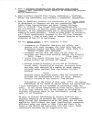
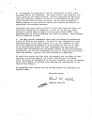
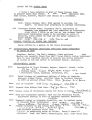
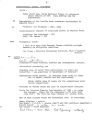
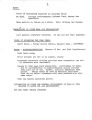
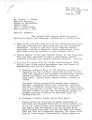
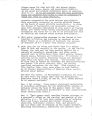
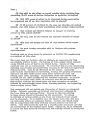
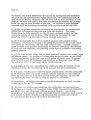
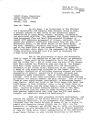
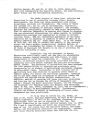
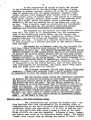
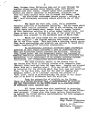
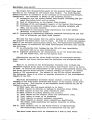
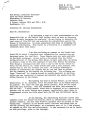
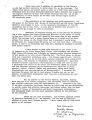
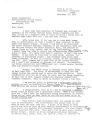
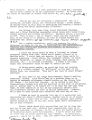
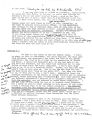
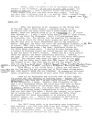
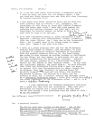
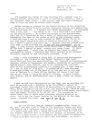
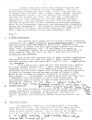
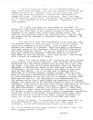
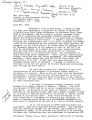
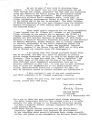
Show 5. The 319 miles of Class I, II, and III trout streams to be dewatered from CUP projects is 16% of the remaining trout streasm in the State. While the BurRec "puts down" the value of Whiterocks River as a trout stream, in the Atlas of Utah streams, prepared by Utah Cooperative Wildlife Research Unit, Utah State University, Whiterocks River where proposed for inundation by the reservoir, is rated as a Class II stream.. The Forest Service states that the portion of Whiterocks River to be inundated is being managed as a self-sustaining wild trout fishery and that field investigations demonstrate the importance of this area for reproduction and rearing and that some of the best angling water in the entire Uintah Unit is perpetually available to the entire public by virtues of these being public lands. John Krutilla, the most recognized economic analyst of natural resources, shows in his book on the economics of natural resources, that the greater economic value attaches to trout streams today, over flatwater fishing, because streams are rarer. The Bureau of Reclamation is misinformed in justitying the greater value for the additional flatwater fishing development on the basis of greater numbers of recreation day use. This ignores the real value of a stream fishing opportunity to a stream fisherman! In a Water Resources Council study on Future Population Projections for the Upper Colorado River Basin, the statement is made that there is no projected need for more reservoir fishing until the year 2,020! It is only too apparent that the Bureau of Reclamation is woefully out of date in utilizing research and economics which is being developed today to help both resource developers ; and those who would develop in ways to protect valuable resources such as streams and wetlands and wildlife associated with these. The time has come when the promises of former Interior Secretary Rogers Morton to deal with instream flows on the Uintas is implemented. The continued failure to deal with this issue of protecting magnificent wild streams is unacceptable to fishermen of streams, kayakers and to wild lands recreationists. As on Page B-25, the Bureau indicates its lack of understanding of "Water Policy intentions of its own administration in making statements sucli as " as waters of Whiterocks and Uinta Rivers, at point of diversion to Yellowstone Feeder Canal, are of exceptional high quality for agricultural and municipal use. Are we to lose high quality troTrt streams as a price of supplying new, high quality water for agricultural and even industrial use rather than recycling water? |