| OCR Text |
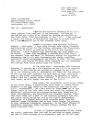
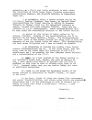
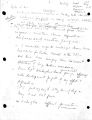
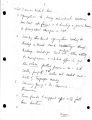
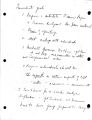
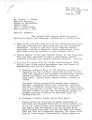
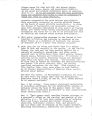
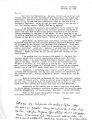
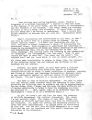
Show At all elevations on the Range, I found wet and dry meadows (called Parks); potholes* rivulets and torrents of water (nearly drow^ning in the early spring run-off in East Fork Smiths Fork); columbine and yellow paintbrush and anemone near South Burro Peak,* willow thickets a foot high along streams and over five foot high on the ridge above the Middle Fork of the Beaver where the bull moose watched me photograph his hoof print; the prints of elk, deer and moose along all trails* the soft pad of the cat following the pointed print of the fawn; a start)ed cow elk dashing back into the lodgepole forest at Deadman Pass,' a silent doe moving through the down timber below Hell Hole Lake/ twin moose calves observing me set up camp near Deadhorse Lake at over 11,500 ft. elevation; a curious beaver rising out of the lower meandering stream of the West Fork Blacks Fork River to watch the two legged stranger on the bank', scat of mountain lion and bobcat on the high pass above Reader Lakes; the walking unintentionally into the midst of two dozen elk in the enormous cirque basin of Dry Fork and observing 50 elk there cavorting in the wet meadow of the same basin; a Black Rosy Finch pecking at insects on the receding snowJ and two immature Golden eagles soaring over the rolling tundra west of Leidy Peak; 1" high alpine flowers clinging to bits of soil in the high elevation tundra; a Goshawk angrily zooming at the head of my companion in the dense lodgepole pine near Kabell Lakes; two elk spikes rising the ridge near East Fork of the Bear River; a marmot on the talus slope and myriads of birds through the entire forest, calling. By the fall of 1977, when I stayed in Salt Lake City to map a High Uintas Wilderness boundary, I knew what was there, why, and who used them - Man, Bird, Beast,' Livestock. I knew the wilderness in the present. But as I worked on the boundary lines, the Uintas'past moved out from the map. The early geologists and explorers left their names behind: Kings, Gilbert and Leidy Peaks, Mt. Hayden and Agassiz; The West, Middle and East Forks of the Beaver Rivers recalled an age of fur trapping allied with the Hudson Bay Fur Company. Meadows, called Parks, were named for events, or people - Deadhorse, Deadman, Bear, or Joulious. The streams reflected their settlers - East Fork. of the Blacks, Henrys Fork as did the Lakes - McPheters, coffin% Beaj?/ f?emncmts of /og cabins, flumes, pole bridges remained to tell of the tie-hackers working on the Union Pacific Railroad. Stumps remained, three feet high off the ground, v/here sawed off above snow line. What these people had seen two hundred and one hundred years ago and marvelled at - remained, largely, for me to wonder at. Of course, today th^ grizzly is gone and the grey wolf and most of the Rocky Mountain sheep and all but an occasional Canada lynx, \oofv/er JO<L .CUI<A river otter. Moving down- -fv<om vdtjaming'; elk and moose have moved onto the Range. But this is the essence of Wilderness. |