| OCR Text |
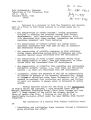
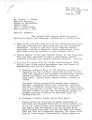
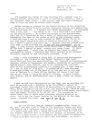
Show 727 6th Ave. Salt Lake City, Utah 84103 August 23, 19 7 8 _ September 5, 19 7 8 Nelson 17. Plummer Regional Director Bureau of Reclamation Federal Bldg. 126 S. State St. Salt Lake City, Utah Dear Mr. Plummer: My name is Dorothy Harvey. I am from Salt Lake City and am pleased to make a statement on the Uintah Unit of the Central Utah Project draft Environmental Impact Statement on behalf of Citizens for a Responsible CUP. This is a coalition group of the Trout Unlimited Council of Utah, Member Clubs of the Federation of Fly Fishermen in Utah, myself, and other citizen taxpayers. I request that this comment be included in the Final Uintah Unit Environmental Impact Statement. On Page 14 of the Draft EIS, the statement is made that "Agricultural development is severely limited by inadequate water supplies", implying that development by the Bureau of new, high quality trout stream water from the Uinta Range is the best answer to agricultural, municipal industrial and Indian needs in the Uintah Basin. In the perspective of commenting on one CUP•Unit EIS, I will address the overall issue of water management in the west today. The Uintah Unit is just a part of a much larger picture of water use which the Carter Administration is attempting to address in its Water Policy and Directives to its administrative staffs. Recent water studies in Salt Lake County have provided the information, already surmised by water experts, that with efficient water management by the State of existing surface and ground water in the County, combined with institutional reform and upgrading Utah water law, and the implementation of conservation measures - that CUP developed water may not be needed at least until the year 2,000, if at all. Results of Utah County water studies and Uintah Basin water studies will be looked to for their conclusions. A recent Economic Analysis of the Bonneville Unit of the CUP by Professor Thomas Power, Department of Economics, University of Montana, seriously questions the the basis for the Bureau determining its economic feasibility and its cost/ benefit ratio - suggesting, in fact, that CUP developed water is a costly means of water management. In view of the high cost to the taxpayer, whoever he be and where, of developing new, high quality water from northeast Utah for use in southwest Utah, and in view of |