| OCR Text |
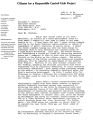
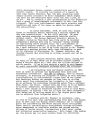
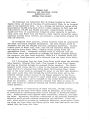
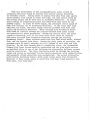
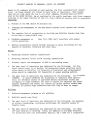
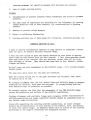
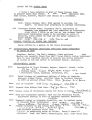
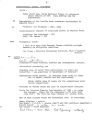
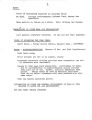
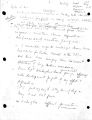
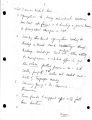
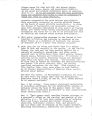
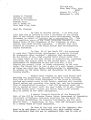
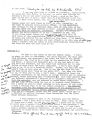
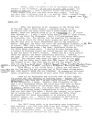
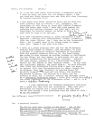
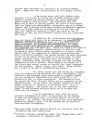
Show Page 3 P. 19-20-Tha discussion of biological resources Is very general and nay satisfy needs for an environmental assessment if a more detailed discussion Is planned for the EIS. Hovever, since this document «ay be the final environmental input for on-farra improvements, we believe a nore detailed discussion Is necessary. * . . •• P. 19 para . 1- Farmland such as an alfalfa field offers little by Itself In the way of diversity. However, agricultural lands nixed with hundreds of niles of canals, laterals, on-fara ditches, wetland and riparian habitats provide a very diverse and productive environment for pheasants, quail, cottontails and non-garae birds. This point cannot be over emphasised in the Uintah Basin. Cutting practices, crop types and overgrazing are the factors limiting production of soae ground nesting birds, particularily the pheasant. In addition to species already mentioned, the whooping crane is a spring and fall migrant in the area. P. 21-The basin has several bald eagle winter concentration areas near Irrigated land in the basin. Colden eagles are conrion year round in the basin and known to nest there. A bio-west study for BR confir&ed golden eagles nesting adjacent to the Pleasant Valley Canal la 1977. P. 22-TMs section does not address the problems with water law and instream flows. Present Utah law requires that water be diverted to be ''beneficially" used. Since laus do not recognize beneficial aspects of instream flows little change in flows will likely occur in most basin streams with the project. If laws recognised and allowed instream flows, water saved by efficient Irrigation management would not have to be diverted and further project benefits would be possible. This issue should be addressed. P. 53 para 3-If 20,200 acre-feet of additional water will accrue to the "river'1, where will this accumulate? ^Tiat rivers and etrearas will realise increased flovrs, how much, and during what time of the year? This should be discussed. ?» 57 column 2 - According to the selected plan, 70,800 acre-feet of water will no longer be diverted. VJe interpret this to mean water presently diverted for irrigation will be by-passed. Will landowners be allowed to rsaintain water richts for 70,800 acre-f*iet that Is no longer diverted or will that water be subject to filing and allocation? P« 61~Thls Is the only presentation and discussion of wildlife impacts. This section needs to be expanded to adequately address Impacts of the magnitudes resulting froia this project. Examples of questions that should be addressed in this section include: (1) What Is the effect on wildlife In eliminating 1,540 alios of on-farta ditch and 13,005 acres of riparian and wetland habitat? |