| OCR Text |
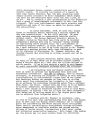
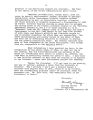
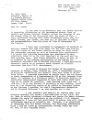
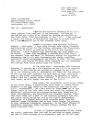
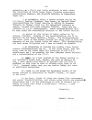
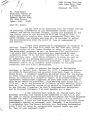
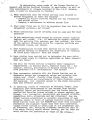
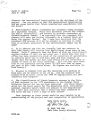
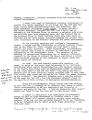
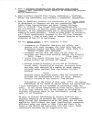
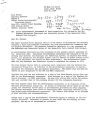
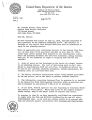
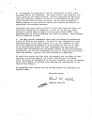
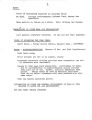
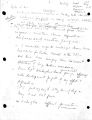
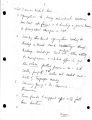
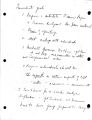
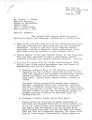
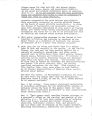
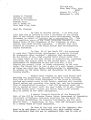
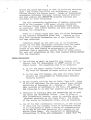
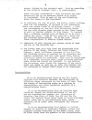
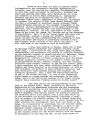
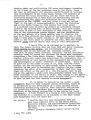
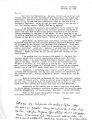
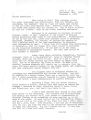
Show / 2. options available to the State for the development of less costly water (with federal funding assistance), and, in view of the growth and industrialization taking place in the Uintah Basin as well as Indian Tribal needs today - why is the 136,000 a f of Uintah Basin water proposed for annual transportation out of the Uintah Basin? Without this Transbasin Diversion of water, and at such high cost, alternative measures could be instituted which could avoid the dewatering of 11 wild and valuable trout streams, their spawning tributaries and loss of their fisheries; the destruction of two outstanding river canyons - Rock Creek and Whiterocks River could be avoided; and the accumulating impacts on all kinds of wildlife dependent upon and associated with the Uinta Range in northeast Utah might be prevented. Without this Transbasin Diversion, the Uintah Basin Association of Governments, in cooperation with the State, and the 3ureau for technical assistance', and utilizing federal funding, could commence implementing efficient water management for growth and development in the Basin. Proposals for recycling water for agriculture and industry; for adjudicating water rights for several thousand acres of 6 W lands and creating then some 34,000 a f water for a new use, perhaps leaving in streams for fisheries and instream flows; for water salvage and other conservation measures; for developing lower level holding basins of less magnitude - all these measures are consistent with Carter Administration Water Policy goals. None are addressed in the EIS. Without the Transbasin Diversion of Water , the water obligation to the Ute Tribe could be met for their immediate use and benefit by alternative structural and non-structural means than those proposed in the Uintah Unit. None of these are explored in the draft EIS. Very serious questions about the present needs of the Ute Tribe for their economic survival on Tribal lands, are really not fully explored nor effectively answered in Bureau of Reclamation mitigation pronosals. Whether the Bureau ought to be trying to answer these, albeit in water terms and under present Bureau development policy, is a mute question. And, without this Transbasin Diversion, the potential problems of depletion of the Colorado River water, i.e. increased salinity and degradation on Rare and Endangered fish habitat (Colorado Squawfish, humpback chub) could be minimized. Even accepting present CUP development plans, the Draft EIS does not indicate understanding of, sympathy with, or interest in implementing Carter Administration Water Policy goals or Administrative Directives. No addendum is included |