| OCR Text |
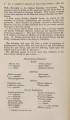
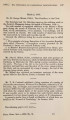
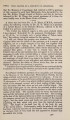
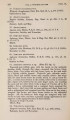
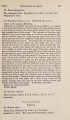
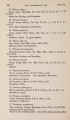
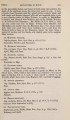
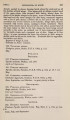
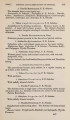
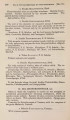
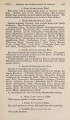
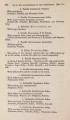
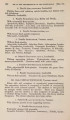
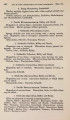
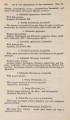
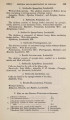
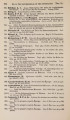
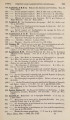
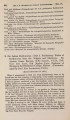
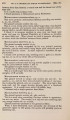
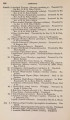
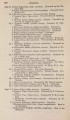
Show 580 DR. R. VON LENDENFELD ON THE SYSTEMATIC [Dec. 21, 3. Familia MELITTIONID^E, Zittel. Forms branched tubes or calyculate structures. Skeleton honeycombed. Cavities traversed by the reticular membrane. The gastral skeleton without scopulae. Aphrocallistes, Gray. 4. Familia COSCINOPORID^;, Zittel. The wall of the calyculate or expanded sponge is traversed by funnel-shaped straight canals, which open alternately on the one or the other surface. Covered only by the perforated limiting membrane. Chonelasma, F. E. Schulze; and the fossil genera Leptophragma, Zittel, Guettardia, Michelin, and Coscinopora, Goldfuss. 5. Familia TRETODICTYID^E, F. E. Schulze. With irregular inhalant and exhalant canals, which do not traverse the body transversely, but pass the dense dictyonal skeleton obliquely or longitudinally. Tretodictyum, F. E. Schulze; Euriplegma, F. E. Schulze ; Cyr-taulon, F. E. Schulze; Fieldingia, Sav. Kent; and Sclerathamnus, Marshall. ii. Tribus Lnermia, F. E. Schulze. Without uncinates and scopulae. 6. Familia MEANDROSPONGiDiE, Zittel. The body consists of winding tubes of uniform width. The interstices of the tubes form a vestibule space. Dactylocalyx, Stutchbury ; Scleroplegma, O. Schmidt; Margari-tella, O. Schmidt; Myliusia, Gray ; and Aulocystis, F. E. Schulze ; and the fossil genera :-Placoscyphia, Reuss ; Tremabolites, Zittel; Etheridgia, Tate; Cystispongia, Roemer ; Toulminia, Zittel; and Camerospongia, d'Orb. To this Subordo belong the fossil families Ventriculitidae, Stauro-dermidse, Callodictyonidae, and Cceloptychidae. II. Ordo CHONDROSPONGLE, nov. Silicea in which the toughness is caused by the mesoglcea or mesodermal ground-substance becoming cartilaginous, whilst the spicules remain isolated. Spicules tetraxon, monaxon (tylostylus or stylus), or absent. With spherical ciliated chambers. Sponge generally corticate. Comprises the Spiculispongiae of Vosmaer, with the exception of the genus Halisarca, Vosmaer. i. Subordo TETRAXONIA, Vosmaer. With tetraxon spicules. |