| OCR Text |
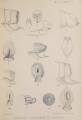
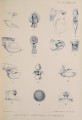
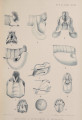
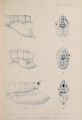
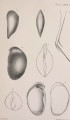
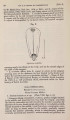
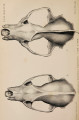
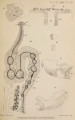
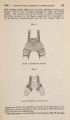
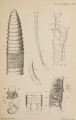
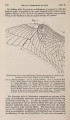
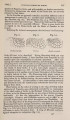
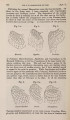
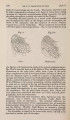
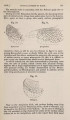
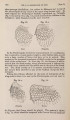
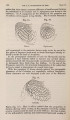
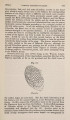
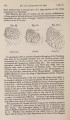
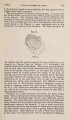
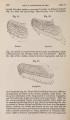
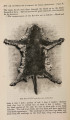
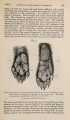
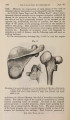
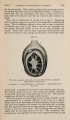
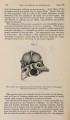
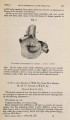
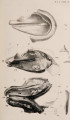
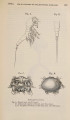
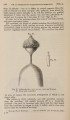
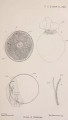
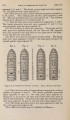
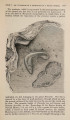
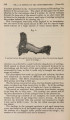
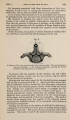
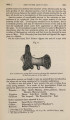
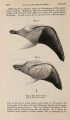
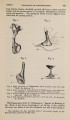
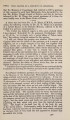
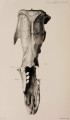
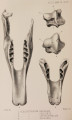
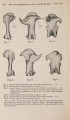
Show 546 MR. O. THOMAS ON LAGORCHESTES FASCIATUS. [Dec. /, its lower side corresponding to the chin, no trace of such a prominence being present in any of the other genera. In natural correlation to this structure of the jaw, the lower incisors themselves have not the sharp inwardly projecting edges characteristic of those of the other Kangaroos, and are merely approximated to each other by their flat inner surfaces ; the transverse sections of the incisors of the two forms (figs. 4 and 10) show this difference better than any description. The incisors and symphysis thus indicating a difference in the motion and use of the mandible, we should naturally expect an appreciable change in the shape of those parts of it by which it is attached and moved, and we therefore find, first, that the coronoid process possesses the very unusual character of having its anterior edge slightly concave in its upper half, all other Kangaroos having this part evenly convex; and, secondly, the condyle, instead of having its length and breadth much about equal, is very much broader than long, and is provided with a broad, flat, supplementary internal process (compare figs. 5 and II). Canines, present in Lagorchestes, are, as in the majority of the Macropodidas, wholly absent in Lagostrophus. The two premolars of Lagostrophus, i. e. the smaller anterior deciduous one, pm3 of the typical dentition, and the larger permanent one, or pm4 (fig. 7), are both broad and flattened, their posterior decidedly greater than their anterior diameters, with well-developed internal edges, and with four or five shallow vertical grooves on tbeir external surfaces. The premolars therefore correspond with the incisors in being broader and more flattened than is usual; but the difference, at least in comparison with certain of the broader-toothed species, such as Macropus brachyurus, Quoy and Gaim., or Layorchestes conspicillatus, Gould, is by no means so striking as in the case of the incisors. The molars appear to be precisely similar to those of Lagorchestes and the other smaller members of the Macropodina. The general shape of the skull (fig. 1) presents nothing very remarkable, except that, owing to the approximation of the two incisor series to each other, the premaxillae bearing them are very much narrower transversely than usual, and therefore give a peculiar slender and pointed appearance to the muzzle. With regard to the external characters, we have first to note that the rhinarium, notwithstanding the statements of Gould and Water-house, is really practically naked, as in the Wallabies, and is not hairy as in Lagorchestes \ The hair, in fact, only grows down the centre of the nose to the level of the superior internal angle of the nostrils, leaving the whole of the front of the nasal septum bare. The hind feet, instead of being short-haired as in Lagorchestes, are covered with long bristly hairs, very much as in Petrogale, these hairs nearly entirely covering up the narrow naked sole, and hiding the short, but strong and conical, central hind claws. 1 Even in Lagorchestes the hairiness is very variable, L. conspicillatus having a very much less hairy muzzle than L. leporoides, the type of the genus. |