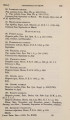
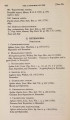
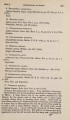
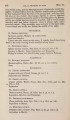
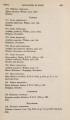
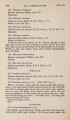
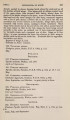
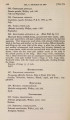
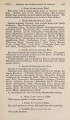
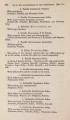
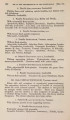
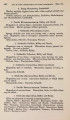
| OCR Text |
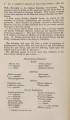
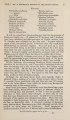
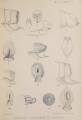
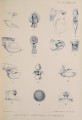
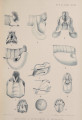
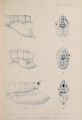
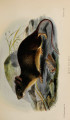
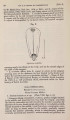
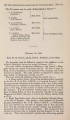
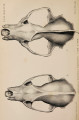
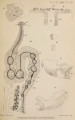
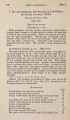
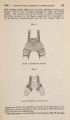
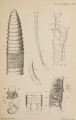
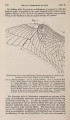
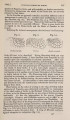
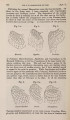
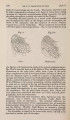
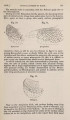
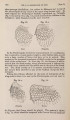
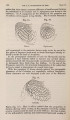
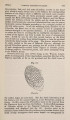
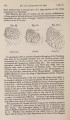
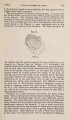
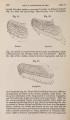
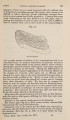
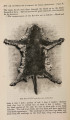
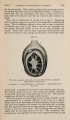
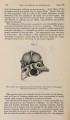
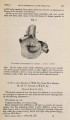
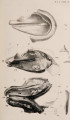
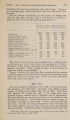
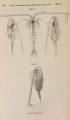
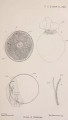
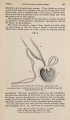
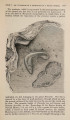
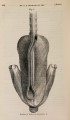
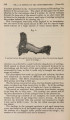
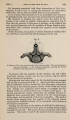
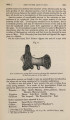
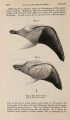
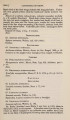
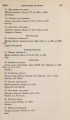
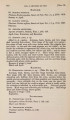
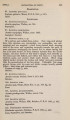
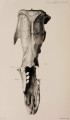
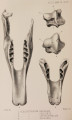
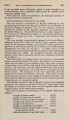
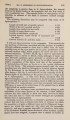
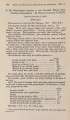
Show 1886.] MR. R. LYDEKKER ON SCELIDOTHERIUM. 493 of the so-called genus Platyonyx, which is either founded on a misidentification, or on characters which cannot be regarded as of more than specific value. With these few words of introduction, the descriptive portion of the memoir may be commenced. SCELIDOTHERIUM LEPTOCEPHALUM, Owen. The type species is represented in English collections by the imperfect type skeleton from Patagonia preserved in the Museum of the Royal College of Surgeons, and by two imperfect skeletons collected by Bravard in the Argentine Republic and preserved in the British Museum. The skull from the latter country, figured by P. Gervais in the ' Mammiferes fossiles de l'Amerique meridiouale ' (Castelnau's Voyage), pi. xi. fig. 1, apparently also belongs to this species. The type cranium is considerably damaged, but the two British- Museum crania (Nos. 37308 and 32995), taken together, exhibit nearly all the important features ; the second of these specimens is figured from the lateral aspect by Sir R. Owen in the 'Philosophical Transactions' for 1857, pi. viii. fig. 1. In Plate XLVI. of the present memoir I have figured the former specimen, the occiput being restored from No. 32995. In the figured specimen the greater portion of the nasals is preserved, and its more important characters are as follows :- The facial profile is strongly curved, and presents a well-marked frontal protuberance behind the orbit; the cranium is of moderate width, and the nasals of great relative length, being when complete at least equal to one half the total length of the frontal aspect of the cranium. In correlation with the elongated nasals the facial portion of the maxilla is lengthened, and a large portion of it appears on the frontal aspect. The lachrymal is not very prominent, and the aperture of its canal looks directly outwards. The anterior border of the zygomatic process of the maxilla is inclined backwards ; the fronto-parietal ridges are widely separated, and the interdental portion of the palate is not excessively narrow. The mandible associated with the figured cranium has an elongated symphysis, the portion in advance of the teeth being nearly twice the length of the whole dental series, and the superior border of the anterior portion of the ramus nearly straight. The more important measurements of the figured skull are as follows:- Length of broken nasals 0*270 Length of facial part of maxilla 0*170 Width of the two occipital condyles. ... 0*108 Length from condyle to last tooth .... 0*242 Length of dental series 0*113 Length of mandibular symphysis .... 0*156 Interval between hinder border of symphysis and last tooth 0*350 Interval between do. and first tooth.. .. 0*050 |