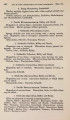
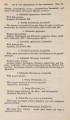
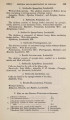
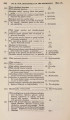
| OCR Text |
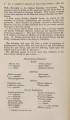
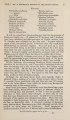
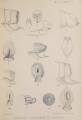
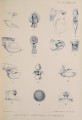
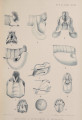
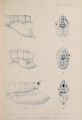
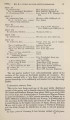
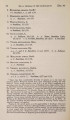
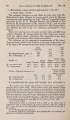
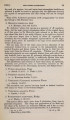
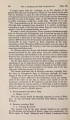
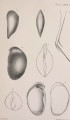
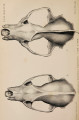
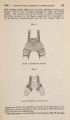
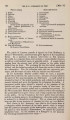
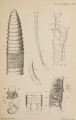
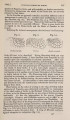
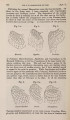
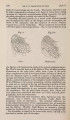
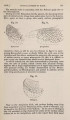
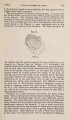
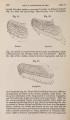
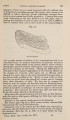
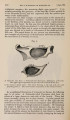
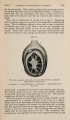
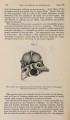
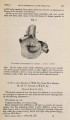
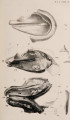
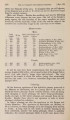
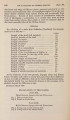
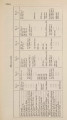
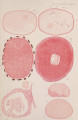
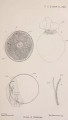
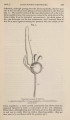
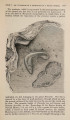
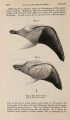
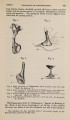
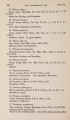
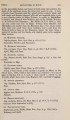
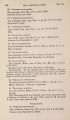
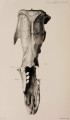
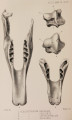
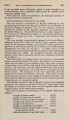
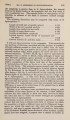
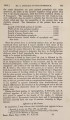
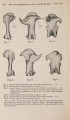
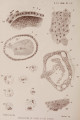
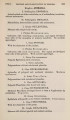
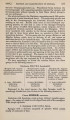
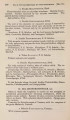
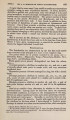
Show 1886.] MR. O. THOMAS ON LAGORCHESTES FASCIATUS. 547 Finally, so far as regards colour, the transverse banding of the lower back presents a style of coloration quite unique in this family, and, beyond the Macropodidae, only found among Marsupials in Thy-lacinus and Myrmecobius, in which, however, it is far more prominent than in the Banded Wallaby. The last point for consideration is the systematic position of Loyostrophus among the other genera of the family, and I have therefore compared its characters with those of the sections and groups into which Prof. Garrod, in his classical paper on Dorcopsis \ has divided the subfamily Macropodince. This comparison shows that the differential characters of Lagostrophus are of distinctly greater systematic importance than are those separating Prof. Garrod's Section I. from Section IT., as these appear to be by no means so persistent or invariable as that author supposed. I cannot therefore consider Lagostrophus, as a group, less than equal in value to all the other genera of the subfamily combined, so that the following is the arrangement that I would propose to substitute for Prof. Garrod's : - Family MACROPODIDAE. Subfamily MACROPODINA. Section I. A. Genera Macropus, Petrogale, Onychogale, Lagorchestes. B. Genera Dendrolagus and Dorcopsis. Section II. Genus Lagostrophus. Subfamily HYPSIPRYMNINA. Section I. Genera Hypsiprymnus, Bettongia, Aepyprymnus. Subfamily HYPSIPRYMNODONTINA. Section I. Genus Hypsiprymnodon. EXPLANATION OF PLATE LIX. Fig. 1. Lagostrophus fasciatus, upper view of skull. 2. , palatal view of upper incisor teeth. 3. , palatal view of upper incisor teeth, with tbe lower jaw in position. 4. , outline of transverse section of tbe two lower incisors. 5. • • , right condyle of lower jaw. 6. , side view of upper and lower incisors. 7. , palatal view of upper and lower incisors. 8. Lagorchestes leporoides, as in fig. 2. 9. , as in fig. 3. 10. , as in fig. 4. 11. , as in fig. 5. 12. , as in fig. 6. Fig. 1 is of tbe natural size; all the others are magnified three times. 1 P. Z. S. 1875, p. 58. 36* |