| OCR Text |
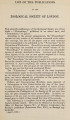
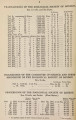
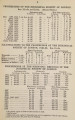
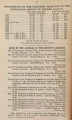
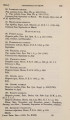
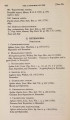
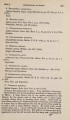
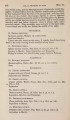
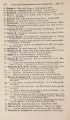
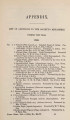
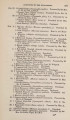
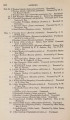
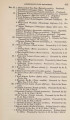
Show 886,J LEPIDOPTERA OF MHOW. 435 9. DEILEPHILA LIVORNICA. (1785)?* liV0mica' Esper' AusL Schme"- «• PP. 87, 196, pi. 8. f. June. 10. DAPHNIS NERII. Sphinx nerii, Linn. Syst. Nat. i. 2, p. 798 (1766). September, October, and November. 1 1. POLYPTICHUS DENTATUS. Sphinx dentata, Cram. Pap. Exot. ii. p. 42, pi. 125. f. G (1779) October. '' 12. LEUCOPHLEBIA BICOLOR. Leucophlebia bicolor, Butler, P. Z. S. 1875, p. 16, pi. 2 f 5 June and July. 13. BASIANA CERVINA. Basiana cervina, Walker, viii. 237 (1856). August (Forsayeth). 14. ACHERONTIA STYX. (mtr™*™ ^ Westwood' Cab* 0rient* Ent- P- 88, pi. 42. f. 3 September. 15. ACHERONTIA MORTA. Acherontia morta, Hiibner, Verz. bek. Schmett. p. 140 (1816). February and September. 16. PROTOPARCE ORIENTALIS. Protoparce orientalis, Butler, Tr. Z. S. 1877, vol. ix. part 10, June, July, and September. 17. NEPHELE HESPERA. Sphinx hespera, Fabr. Syst. Ent. p. 546 (1775). Common from September to June. Very plentiful in November. Hawk-Moths were in extraordinary abundance in September 1881 in Mhow. A large thorny tree in my garden remained in full blossom for the greater part of that month, and I spent many evenings sitting under it watching these moths. About half an hour before sunset a few Cephonodes hylas would come, to be followed in a short time by Macroglossa belis and M. gyrans; then would fly by with a rush a single Nephele hespera. He would circle round and fly away, and a minute afterwards thousands of these insects would take possession of the tree. The solitary one always came first apparently to see that all was safe, then flew away and a multitude of 29* |