| OCR Text |
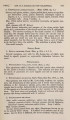
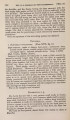
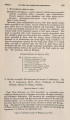
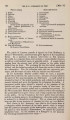
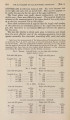
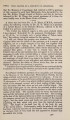
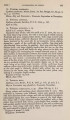
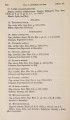
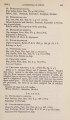
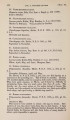
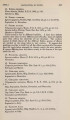
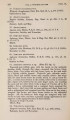
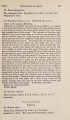
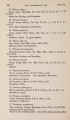
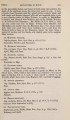
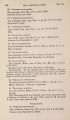
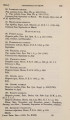
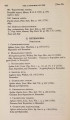
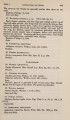
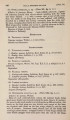
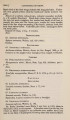
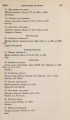
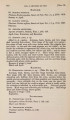
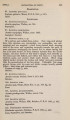
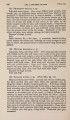
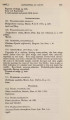
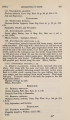
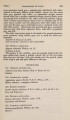
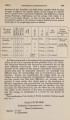
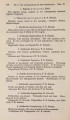
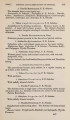
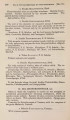
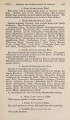
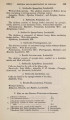
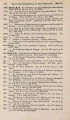
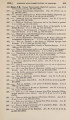
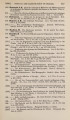
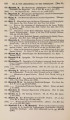
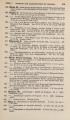
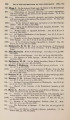
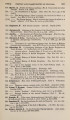
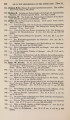
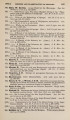
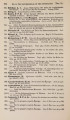
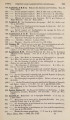
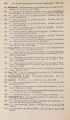
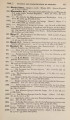
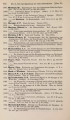
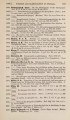
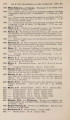
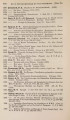
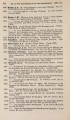
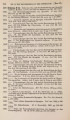
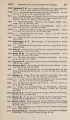
Show 68 MR. O. THOMAS ON THE MAMMALS OF [Jan. 19, 15. SCIURUS CANICEPS, Gray. a, b. Moulmein. c. Kankaryit, 13/1/77- d, e. Thoungyeeu Biver, 9 and 10/77 (Bingham), fg. Thoungyah, 16/1/77 (Davison), 10/10/78 (Darling). h. Myawadi, 2/10/77 (Bingham). i. Tavoy, 16/3/78. j-l. Bankasun, 6/77 (S. phayrii, Bly.). m, n. Pahpoon, W . Tenasserim. o. Thatone, 23/11/77. This fine series, with the seven Malayan specimens from Kussoom, (27/5/79), Taroar (12/2/79), Poongah (8/79), and Salanga (2 and 3/79), collected by Darling, form an invaluable addition to the material for making out the relations, variation, and distribution of this troublesome species and its allies. Dr. Anderson, although he gives separate headings in his monograph to S. pygerythrus, caniceps, phayrei, blanfordi, and griseimanus, states that he believes that they are all closely related to one another and should not perhaps be specifically separated. On laying out, arranged as it were on an imaginary map, the whole available series of skins, 70 in number1, belonging to the above species, one is able to make out five recognizable forms grading into each other in various degrees, of which two occur in North Tenasserim, one in Pegu and Upper Burma, another in Cambodja and Cochin China, and the fifth in S. Tenasserim and N. Malaysia; but anything more complicated than their inter-relations it is hard to conceive, and they seem to he only definable by a free use of trinomial nomenclature. As the easiest method of explaining their relationships I will attempt to trace out the history of S. caniceps, which appears to have been something as follows :- The original of the species, occurring about the centre of the present range, would be such an animal as summer non-breeding specimens of the true <S. caniceps of N. Tenasserim now are, viz. grizzled yellowish grey above and grey below, the sides of the neck and the sides of the belly being more or less tinged with yellow (85. 8. 1. 1772). The struggle for existence then necessitated a richer ornamentation, at least in the breeding-season, and this was accomplished in various ways in different parts of the animals' range. North-western specimens, those of-Burma and Pegu, became rich yellow underneath (S. pygerythrus, 81. 12. 2. 7), and eastern ones, in Cambodja & c , a duller yellow below, with whitish feet (S. griseimanus, 78. 6. 17, 29), both forms having occasionally, presumably by atavism, ordinary grey-bellied specimens, e. g. 81. 12. 2. 9 from Pegu and 62. 8. 16. 4 from Laos. Southwards, beginning about at Tavoy, and reaching down to Malacca, the yellow tinge of the sides of the neck and belly were replaced by rich orange-red, 1 Of these, 22 belong to the Hume, 25 to tlie old Museum collection, and 23 have been kindly lent to m e by M r . Blanford out of his own collection. a These numbers are those of the registers in the Natural History Museum, and will always identify the particular phase of fur referred to. |