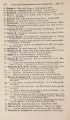
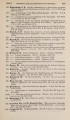
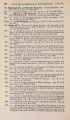
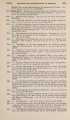
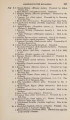
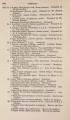
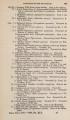
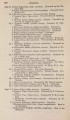
| OCR Text |
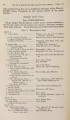
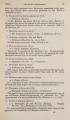
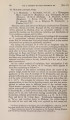
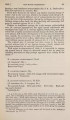
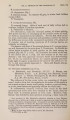
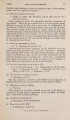
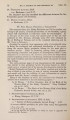
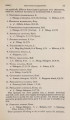
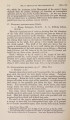
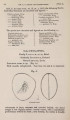
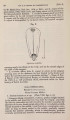
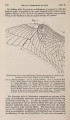
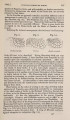
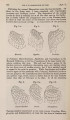
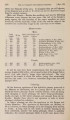
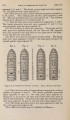
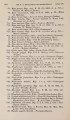
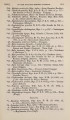
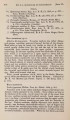
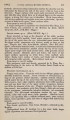
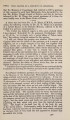
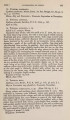
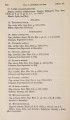
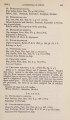
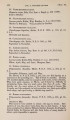
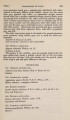
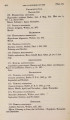
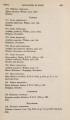
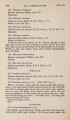
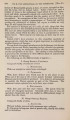
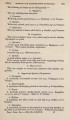
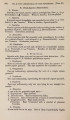
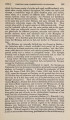
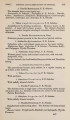
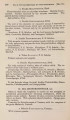
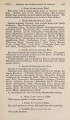
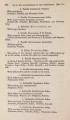
Show 1886.] POSITION A N D CLASSIFICATION O F SPONGES. 559 Whilst the anatomical and embryological work of recent authors, particularly of F. E. Schulze and his pupils, has made us acquainted with the structure of Sponges in a satisfactory manner, our knowledge of species, which was formerly practically confined to those from the Mediterranean and the Atlantic, has been greatly extended by the collections made during the voyages of the 'Alert' and ' Challenger' in all parts of the world, and by m y own labours in the Australian seas. I think, therefore, that the time has now arrived to endeavour to establish a classification of Sponges, and to discuss the position which the Sponges, as a group, occupy in the scale of Nature. In an Appendix to this paper a nearly complete list of publications on Sponges is given. It has been made by interpolating old, new, and omitted papers in D'Arcy Thomson's (1495) list of 551 papers, the references in which have been verified. I must express my thanks to Mrs. v. Lendenfeld and to Mr. A. Dendy for their share in this work, and also to Mr. Ridley for his kindness in allowing us to use his most valuable M S . notes on this subject. In the section on the systematic position of Sponges, the principal views held on the subject are discussed, and reasons are given for considering the Sponges as the first Phylum of the Grade Ccelentera, which arrangement has been adopted in this paper. The main classification of the Orders is the result of my own anatomical work, and has been arrived at independently of other authors. It affords me much pleasure to state that this classification is, in the main, similar to that established by Vosmaer (1550), although we have arrived at our results in different ways, and our diagnoses differ accordingly. To that section of this paper which deals with the arrangement of the Families and Subfamilies, and the enumeration of the principal Genera, Mr. A. Dendy has contributed the portions relating to the Suborders Clavulina and Halichondrina with the exception of the Tethydae and Chalininae. The portions relating to the Hexactinellida and Tetractinellida are compiled from the recent papers of Schulze (1369), Sollas (1453), Vosmaer (1550), and Zittel (1639). The remainder is based on m y own M S . notes. II. NOMENCLATURE OF THE SPICULES. Various terms for the spicules found in Sponges have been used by different authors. In consequence of this a certain confusion has arisen with regard to the meaning of the terms employed. Vosmaer (1550) made a chivalrous attempt to establish a satisfactory Nomenclature, which, however, has unfortunately not been accepted by recent authors on Sponges except myself, so that it only added to the already existing conlusion, Recently Sollas, Ridley, and Dendy have established a new nomenclature for Monaxonid spicules, which I have agreed to adopt, and which has been used by them and myself. I do not think it perfect, but I am certainly not in a position to replace it by anything better, and therefore adopt and explain it in this paper. Schulze's nomen- |