| OCR Text |
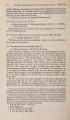
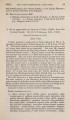
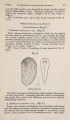
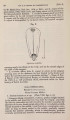
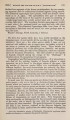
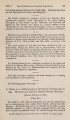
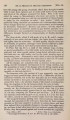
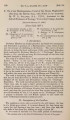
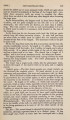
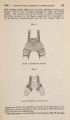
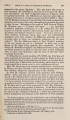
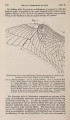
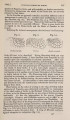
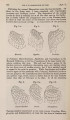
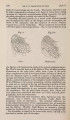
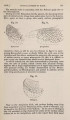
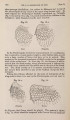
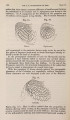
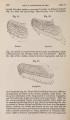
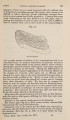
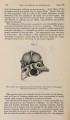
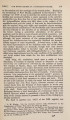
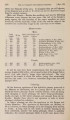
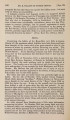
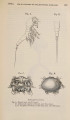
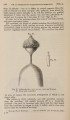
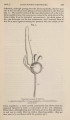
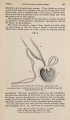
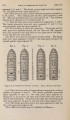
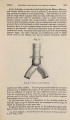
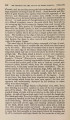
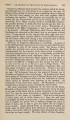
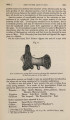
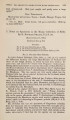
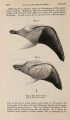
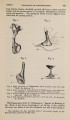
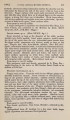
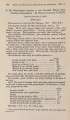
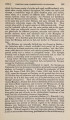
Show 192 MR. J. G. GOODCHILD ON THE [Apt'. 6, alone amongst the Gallinae; but neither in Meleagris nor in any of the Alectoropods do any traces of the upper wing-coverts exist. In some respects the Peristeropod Gallina;, represented by Talegalla (fig. 13 a) and by Crax (fig. 13), stand nearest of the Gallinae to the Accipitres; while Numida is hardly more removed. Fig. 13. Fig. 13 a. Crax. Talegalla. In the Peristeropods we find the commencement of a modification that is carried to a much greater length in other Galline birds, as well as in a large number of forms that have yet to be noticed. This consists in the increased prominence of distal overlap in the proximal third of the cubital area. In Crax (fig. 13), for instance, it will be noticed that the distal overlap, whose commencement is indicated by the small cross, extends into the middle area in the case of the lowest row. The distal overlap at C is another noteworthy feature, as it has not yet been observed in any of the Gallinse except the Peristeropods. Taking the evidence afforded by the mode of imbrication of the wing-coverts alone, it is near to the Peristeropods, and not near to Fig. 14 a. Fig. 14. Columba Goura. the Pigeons, that Goura should be placed. The pattern is shown in fig. 14, which should be compared with Crax on the one hand and |