| OCR Text |
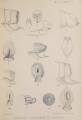
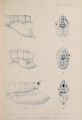
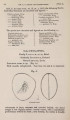
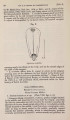
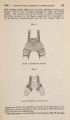
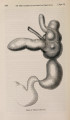
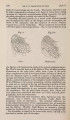
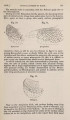
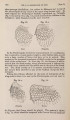
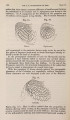
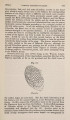
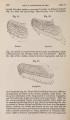
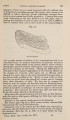
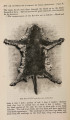
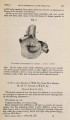
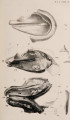
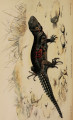
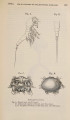
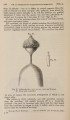
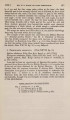
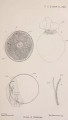
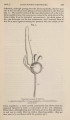
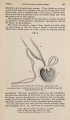
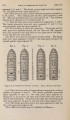
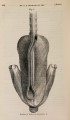
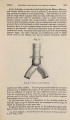
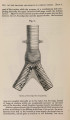
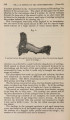
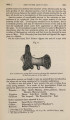
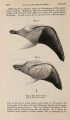
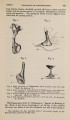
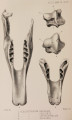
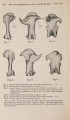
Show 408 ON THE COLUMELLA OF ICHTHYOSAURUS. [June 29, displaying an uncrushed inner view: the bone, however, though well shown in Mr. O'Neill's drawing, is not specially marked, and it is therefore advisable to append a separate sketch, such as is given in the woodcut, fig. 3 (p. 407). The general outline is similar to that of the examples already described, but the additional characters of the inner aspect are well worthy of note. In the constricted portion of the bone, the shaft is compressed to form a sharp ridge, which terminates in an abrupt prominence at the point where the lower expansion commences, and beneath this tbe broad surface is divided into two distinct, apparently articular, facettes. The upper and binder division (a) is slightly hollowed and somewhat triangular in shape ; while the lower facette (b) is more elongated, and is separated from the first in its anterior portion by being more deeply impressed in the bone. A m o n g the crushed cranial bones, immediately behind the sclerotic plates, in another specimen of Ichthyosaurus in the National Collection the columella is also distinctly visible; but this does not supply any additional facts of importance. O n comparing the bone under consideration with its homologue among recent Reptiles, none is found to exhibit a more striking similarity than that of Hatteria (fig. 4, p. 407). As Dr. Giinther has pointed outl, the columella in this genus is particularly remarkable for the great expansion of its extremities ; and it is also peculiar from the fact that the lower end articulates not only with the pterygoid, but also with an inward extension of the quadrate. Moreover, so far as can be ascertained from a complete skull, the columella appears to show some signs of contracting this articulation by an overlapping of the two bones in a vertical plane ; and the upper end is connected with cartilage, and not directly in contact with the parietal above. Unfortunately at present it is only possible to compare the form of the element in each of these types. In none of the fossil Ichthyo-saurs 1 have examined are the precise relations of the bone very distinct. As already stated, however, the first fossil is remarkably suggestive of a direct articulation of the upper end of thecolumellawith a downward process of the parietal; and the originals of figs. 2 and 3 exhibit so close a resemblance to the corresponding parts in Hatteria, that there is also strong evidence of the lower articulation being double. But it ought to be remarked that in Ichthyosaurus no inwardly directed extension of the quadrate has hitherto been observed 2, and the discovery of more satisfactory specimens must yet be awaited before it is possible to arrive at any definite conclusion. 1 A. Giinther, " Contribution to the Anatomy of Hatteria (Bhynchocephalus, Owen)," Phil. Trans. 1867, p. 599, pi. xxvi. figs. 3, 4. 2 H. G. Seeley, " Similitudes of the Bones in the Enaliosauria," Journ. Linn. Soc. (Zoology) vol. xii. (1876), p. 309. |