| OCR Text |
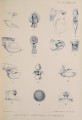
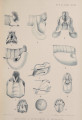
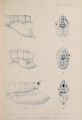
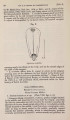
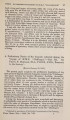
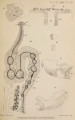
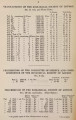
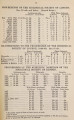
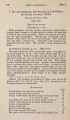
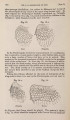
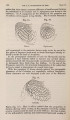
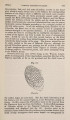
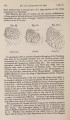
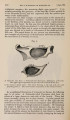
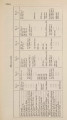
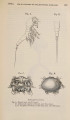
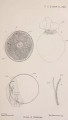
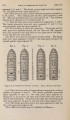
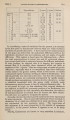
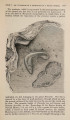
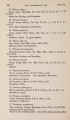
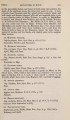
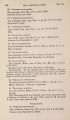
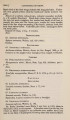
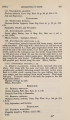
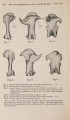
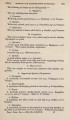
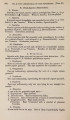
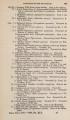
Show 342 THE INTERVERTEBRAL DISK OF THE AXIS IN MAN. [June 29, As the upper epiphysis of the axis exists in forms so widely different as a Cat and a Whale, or a Monkey and a Horse, there can be very little doubt that it is a very general condition which has been overlooked simply because it has not been sought. The reason why I have been able to give an account of tbe axis in the specimens enumerated in the preceding list is explained by the fact that for some time past I have been collecting immature axes for another purpose ; thus, having a goodly stock, I utilized them for the purpose of this paper. As a matter of convenience the following list of probable dates in the appearance of the individual nuclei of the axis is appended :- Centres for laminae, 8th week. Centres for body, 12th to 16th week. Nuclei for os odontoideum, 5th month. Centre for tip of odontoid process, 2nd year. Epiphysial plates, about 16th year. By the twentieth year all parts of the bone are consolidated, except the lenticular portion between the axis and the odontoid process. The interest of tbe question centres itself around the additional evidence afforded to the view that the odontoid process is the body of the atlas united with the axis, as was hinted by Cuvier, but first clearly made out by the admirable researches of Rathke1, and subsequently confirmed by many competent observers. P.S. (July 30th, 18*6).-In the discussion which followed the reading of this paper, Mr. J. W . Hulke drew attention to the importance of the above observations in so far as they independently confirmed Prof. Albrecht's recent view expressed in a paper entitled, " Uber die Wirbelkorperepiphysen und Wirbelkorpergelenke zwischen dem Epistropheus, Atlas und Occipitale der Saugethiere." (See ' Die Comptes Rendus der achten Sitzung des internationalen medi-cinischen Kongresses, Kopenhagen,' 1884.) At the time m y paper was read I was ignorant of Albrecht's research in this particular direction. However, a careful perusal of the paper in question convinces me that the epiphysis in the midst of the axis really represents, as Albrecht insists, two epiphyses, viz., that belonging to the cranial end of the axis and that appertaining to the caudal end of the atlas (odontoid process). Regarding the "centroidal" masses more observations are required, and the subject is one of great interest. 1 ' Entwickelung der Schildkroten.' |