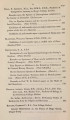
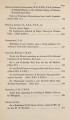
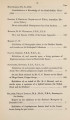
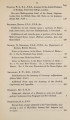
| OCR Text |
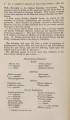
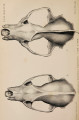
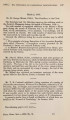
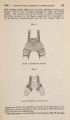
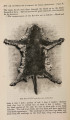
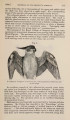
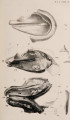
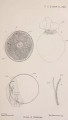
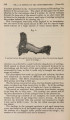
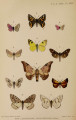
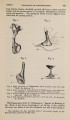
Show 1886.] ON RHIPIDORNIS GULIELMI-TERTII. 297 Moths burrow into the soil to a depth of 2 or 3 inches, and remain, some for six months, some for ten. The way in which I manage is this : first I search in due season for the caterpillars, which having found I remove to bushes and trees as near my residence as possible. I then watch them carefully day by day, until I consider them large enough to remove into my breeding-cages, all of which have at least six inches of good soil at the bottom. When full-fed they burrow, as I have said before, and exactly six weeks after the disappearance of the last one, I dig up all the pupae and lay them carefully side by side upon moss which is from time to time moistened.' " I may add I received last year pupse of the following species from this source, all of which hatched out well with the exception of six or eight:- Cyanissa maia. Bunea caffraria. Antherea tyrrhea. menippe. wahlbergii. Cirina forda. " The pupse which I now exhibit will, I think, by their general appearance, bear out the statement of my correspondent." Mr. Joseph Whitaker, F.Z.S., exhibited a specimen of Wilson's Phalarope, Steganopus wilsoni (Sabine), believed to have been shot some years ago at Sutton Ambion, near Market Bosworth in Leicestershire. Mr. Whitaker had found the bird stuffed in a case of local species of birds which had belonged to a Mr. Richard Bradfield, who stated that he shot the specimen in question on a small pond, into which the manure ran from his farm-yard, and the breast of the bird showed a stain which might have been so produced. The owner was quite unaware of the rarity of the species, looking upon it merely as a curiosity ; and unless there should have been some accidental exchange at the bird-stuffer's, the evidence as to its genuineness seemed entitled to credence. The following papers were read :- 1. On a fourth Male Specimen of King William the Third's Paradise-bird. By A. B. M E Y E R , M.D., Director Royal Zoological Museum of Dresden, C.M.Z.S., &c. [Eeceived April 28, 1886.] In the vear 1875 I described and figured (Mitth. Zool. Mus. Dresden, \. p. 3, pi- i-) Ehipidornis gvlielmi-tertii, after a male and female specimen forwarded to me by my friend the late S. C. S. W . van Musschenbroek from Ternate, and a short time afterwards Gould figured a second male specimen (' Birds of New P R O C ZOOL. Soc-1886, No. XX. 20 |