| OCR Text |
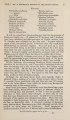
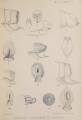
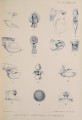
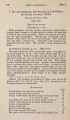
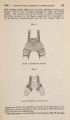
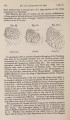
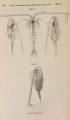
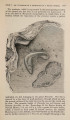
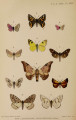
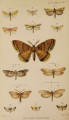
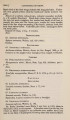
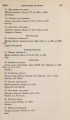
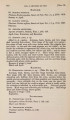
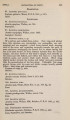
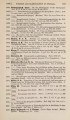
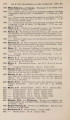
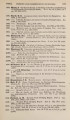
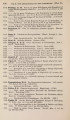
Show 1886.] LEPIDOPTERA F R O M W E S T E R N INDIA. 383 121. SURATTHA ALBIPENNIS, sp. n. Allied to S. invectalis of Ceylon, but the primaries of a more uniformly pale sandy-brown tint, the belt beyond the middle being only flecked with black and white like the inter no-basal area, the outer border of this belt also less abruptly angulated ; the external area grey, irrorated with white and with a marginal series of black-tipped fusiform white spots ; secondaries white instead of whity brown ; abdomen also paler ; under surface paler. Expanse of wings 22 millim. d, Campellpore, 30th July, 1885. The genus Surattha was also described by Walker under the names Pindicitora and Calarina; the types belong to one species only. 122. PYRALIS ELACHIA? Pgralis elachia, Butler, 111. Typ. Lep. Het. iii. p. 70, pi. lviii. fig. 3(1879). Campbellpore, July; Murree, August 1885. Two worn examples belonging apparently to this species ; they chiefly differ from the type in their slightly darker secondaries. 123. PYRALIS INCONGRUA. (Plate XXXV. fig. 5.) Allied to P. glaucinalis and P. yokohama; of the same size as the latter, but in pattern much nearer to P. nannodes ; from the latter it only differs in its superior size and the almost perfectly straight, instead of irregular, whitish stripes across the primaries ; from P. glaucinalis and P. yokohanm it differs in the much greater width between these stripes in addition to their greater regularity: the colouring in all four species is very similar. Expanse of wings 27 millim. Kala Pani, 24th September, 1885. HERCYNIDI. 124. APORODES MELEAGRISALIS. Herbula meleagrisalis, Walker, Cat. Lep. Het. xvii. p. 324. n. 11 (1857). Campbellpore, 7th July, 1885. ASOPIID^E. 125. SAMEA YERBURII, sp. n. (Plate XXXV. fig. 6.) Allied to S. magna of Japan ; of the same colours, but with whitish-centred discocellular lunules, the whitish patches quite differently arranged and not forming bands : primaries with two patches the first small and oblong, in the middle of the cell, the second transverse quinquefid, between the end of the cell and the dusky discal line, the latter unequally Insinuate, not sharply angulated as in S. magna, less defined and with a pale (not whitish) external edging; veins whitish towards the outer margin ; fringe with a |