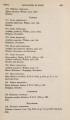
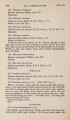
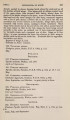
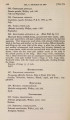
| OCR Text |
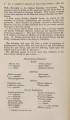
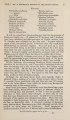
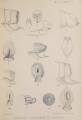
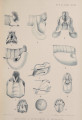
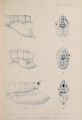
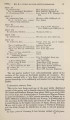
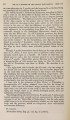
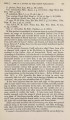
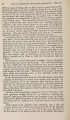
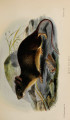
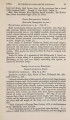
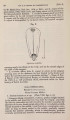
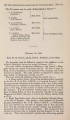
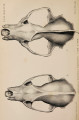
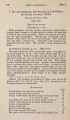
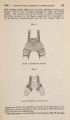
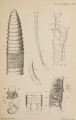
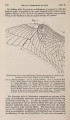
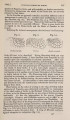
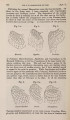
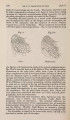
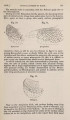
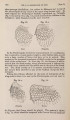
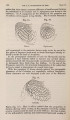
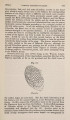
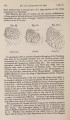
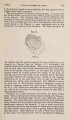
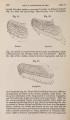
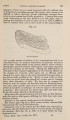
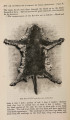
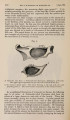
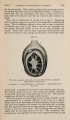
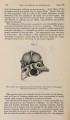
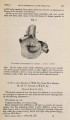
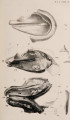
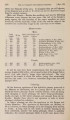
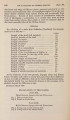
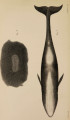
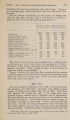
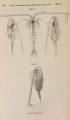
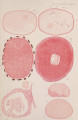
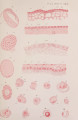
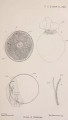
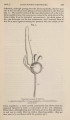
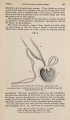
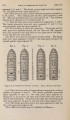
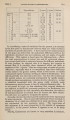
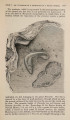
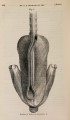
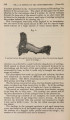
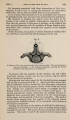
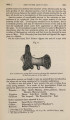
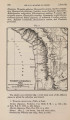
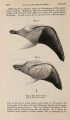
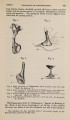
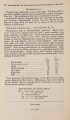
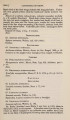
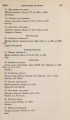
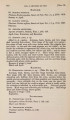
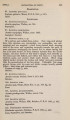
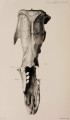
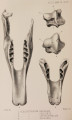
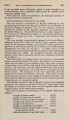
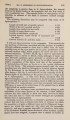
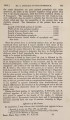
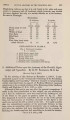
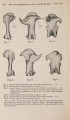
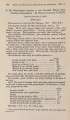
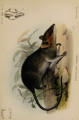
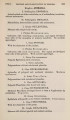
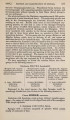
Show 496 MR. R. LYDEKKER ON SCELIDOTHERIUM. [Nov. 16, S. bravardi. Should, however, any of my fellow workers be able to identify it with either of such forms, I shall be only too happy to relegate this name to the rank of a synonym. The structure of the astragalus of 8. bravardi (as Dr. Burmeister remarks in his description of the larger form which I provisionally associate) approximates very strongly to that of Megatherium, although wanting the articular cup for the navicular; and it is therefore probable that the hind foot of this species was more everted than in 8. leptocephalum. The shorter nasals of the present species also diverge less widely from the Megatherium type than do those of the last-named species, and this character is still more developed in the following form. SCELIDOTHERIUM CHILIENSE, n. sp. The form to which I propose to apply the above name is represented by a series of specimens purchased during the present year by the British Museum, from a gentleman residing at Lima, which were obtained from the Pleistocene of Tamarugal, in the district of Tarapaca in Chili1. The specimens comprise three more or less imperfect crania, the anterior portion of a mandible, and a considerable number of vertebrae and limb-bones. All that I have to say in regard to the limb-bones is, that the astragalus is intermediate in structure between that of 8. leptocephalum and that of S. bravardi, and that the humerus has a well-defined entepicondylar foramen. The least imperfect of the three crania is represented in Plate XLVIII., and shows nearly the whole of the nasals. The most striking feature of this cranium is the extreme shortness and breadth of the latter bones-their length not exceeding one third of the total length of the cranium-while the mandibular symphysis is also equally short, as will be seen by the following measurements. That this form is totally distinct from S. leptocephalum is self-evident. It appears more nearly allied to S. bravardi, with which it agrees in the prominence of the lachrymal, the narrowness of that portion of the maxilla appearing on the frontal aspect, the straight facial profile, and the narrowness of the interdental portion of the palate; but • differs by its greater width, by the still shorter facial portion, by the probable abortion (as will be shown below) of the premaxillae, and by the shorter anterior portion and symphysis of the mandible. The mandible is quite unlike that of 8. tarijense2, in which the symphysial part is bent upwards very suddenly, nearly the whole of it being above the level of' the dental alveoli. The nasals of that species are also much longer than those of the present form. With the skull of the so-called Platyonyx brongniarti from Brazil, figured by Lund in the K. Danske Vid. Selsk. Skr. vol. ix. pi. xxviii., the present specimens agree very closely in general characters ; but in addition to being of superior size, the cranium is relatively narrower, and lacks the marked expansion behind the nasals, while 1 See map, supra, p. 396. 2 I refer to this species a left mandibular ramus from Brazil in the British Museum (No. 18649 a). |