| OCR Text |
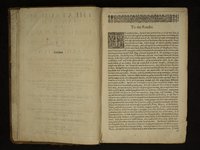
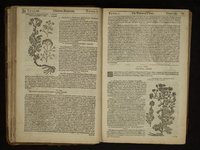
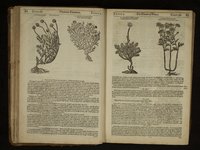
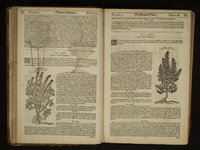
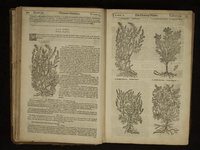
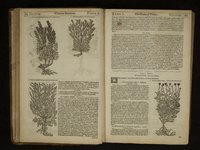
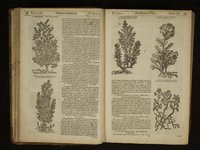
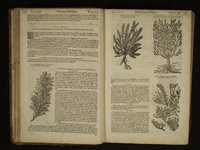
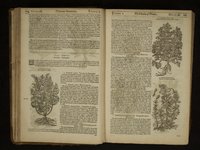
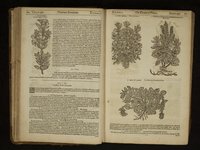
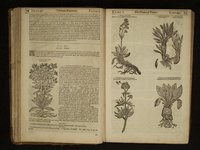
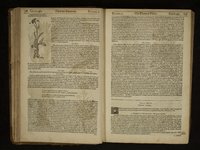
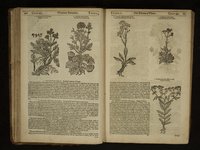
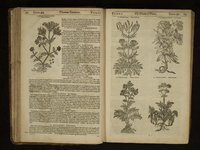
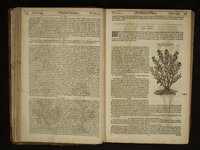
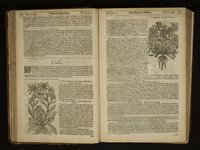
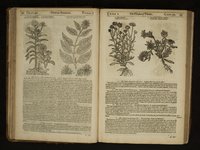
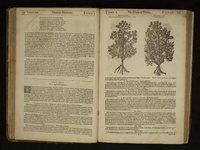
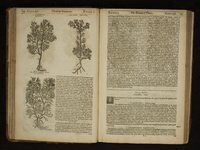
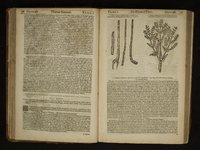
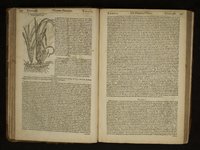
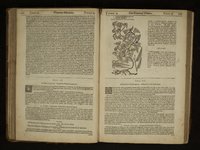
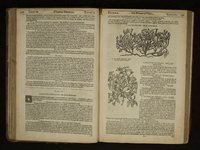
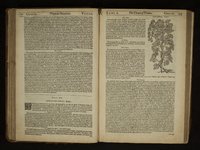
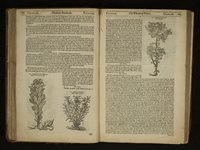
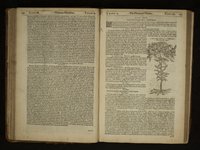
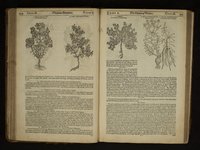
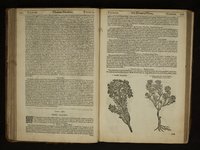
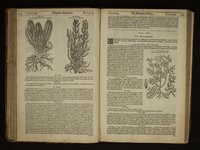
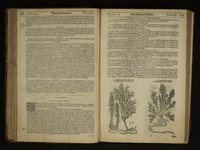
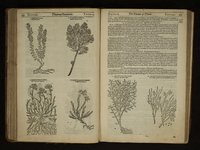
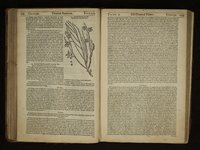
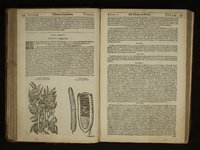
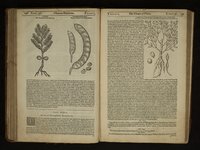
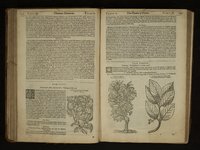
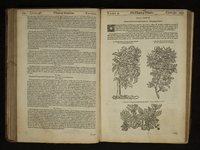
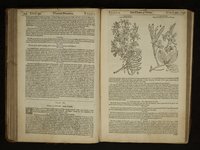
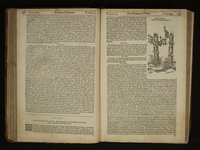
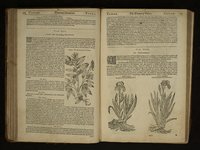
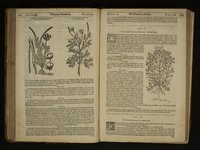
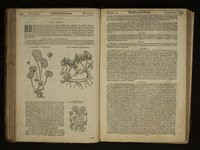
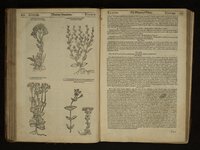
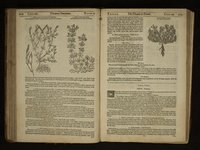
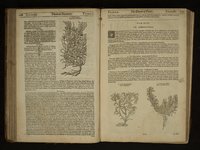
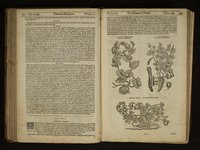
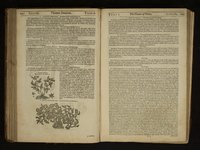
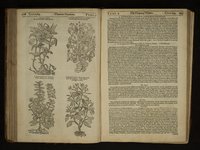
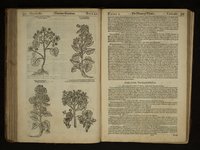
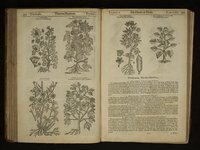
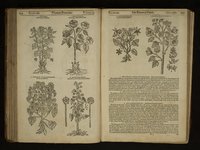
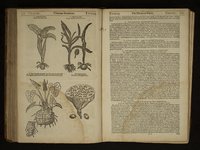
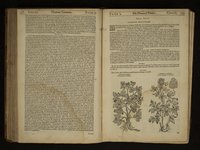
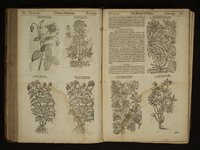
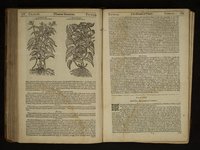
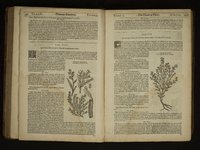
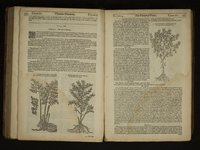
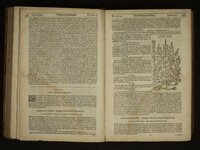
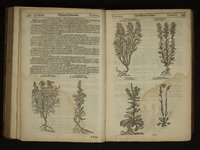
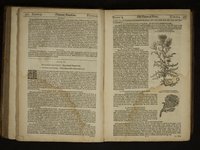
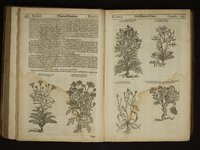
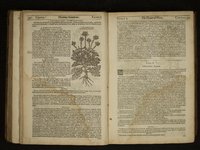
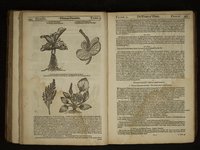
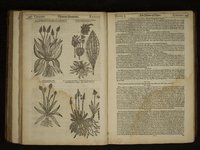
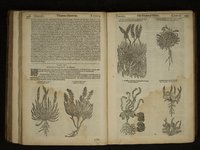
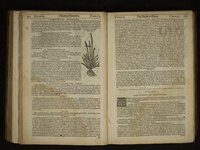
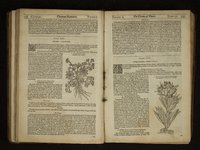
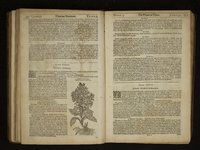
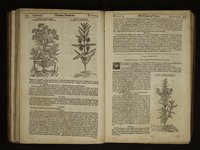
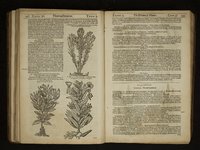
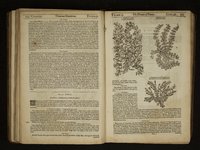
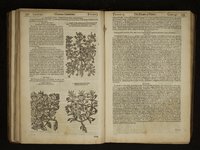
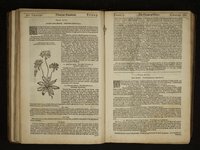
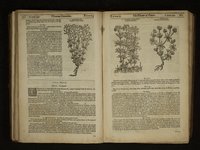
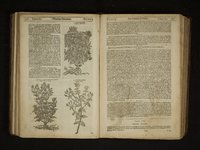
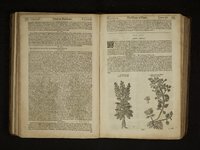
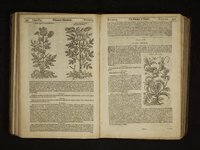
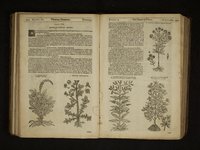
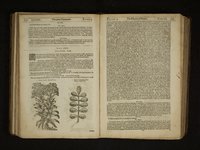
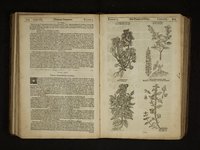
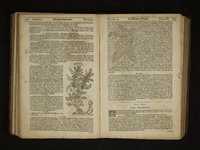
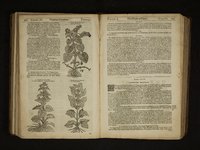
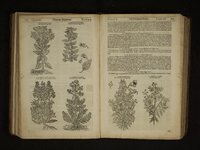
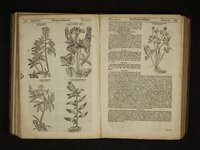
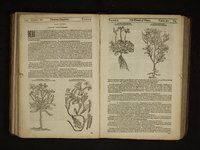
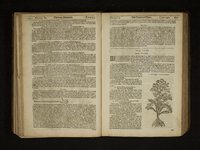
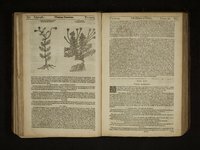
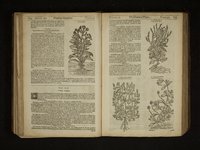
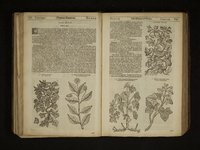
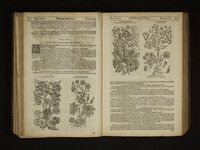
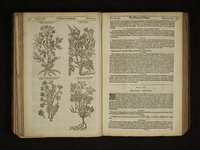
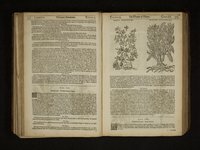
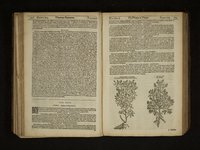
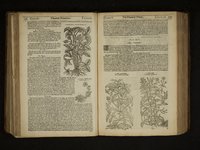
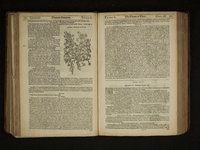
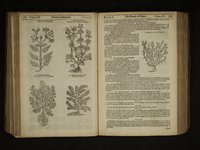
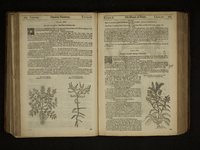
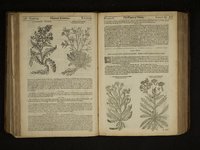
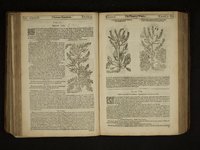
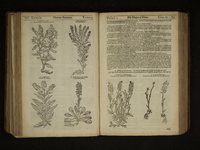
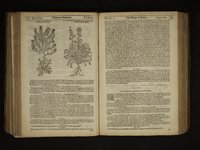
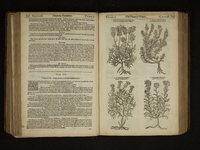
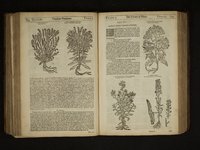
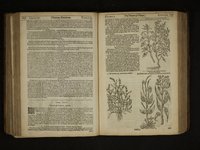
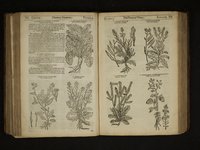
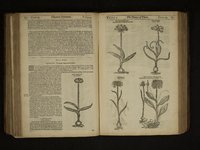
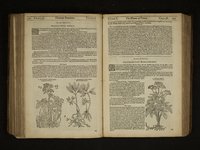
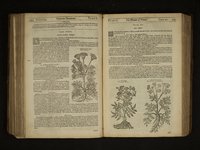
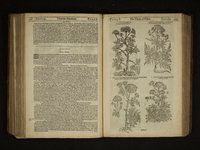
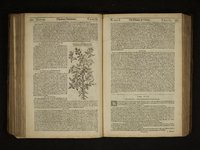
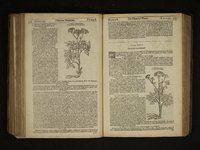
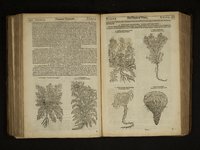
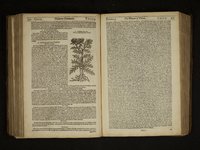
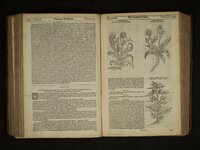
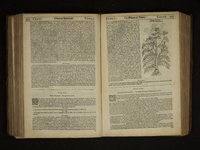
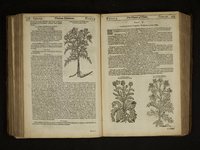
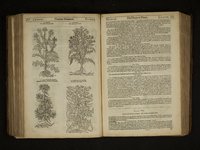
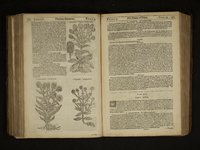
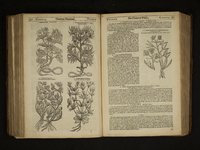
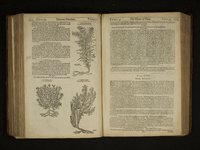
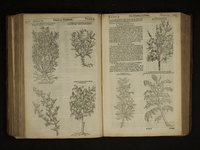
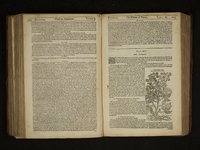
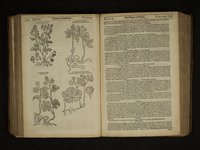
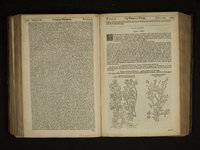
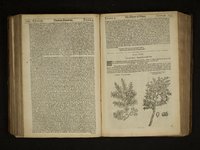
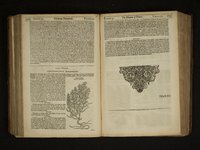
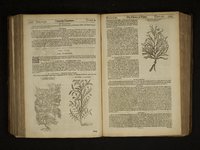
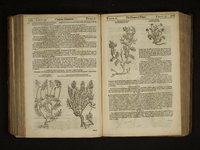
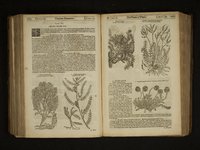
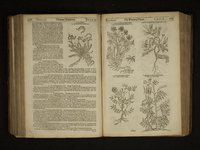
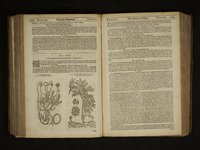
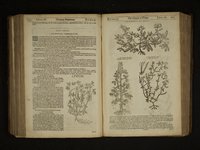
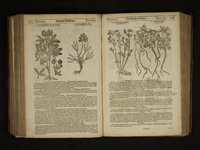
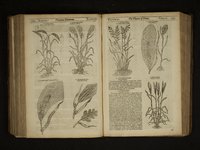
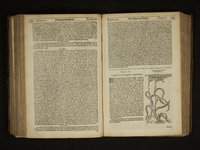
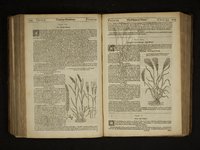
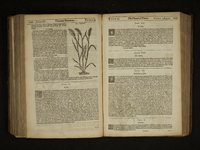
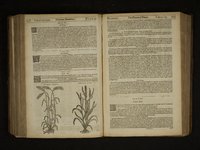
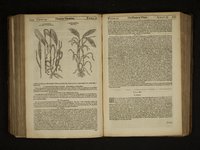
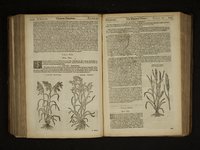
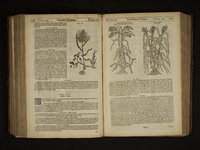
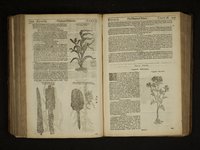
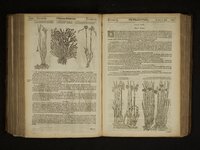
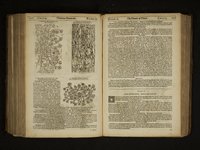
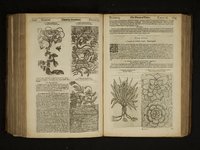
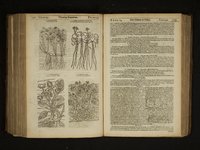
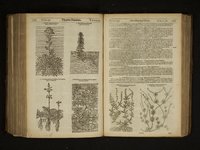
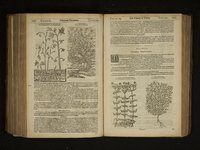
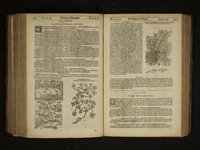
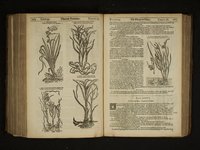
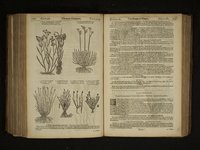
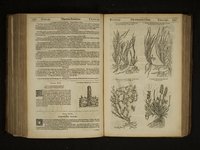
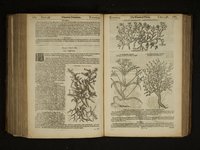
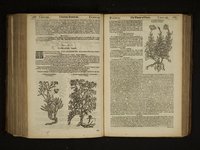
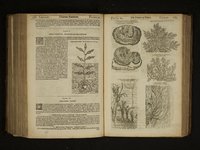
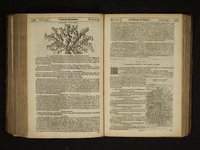
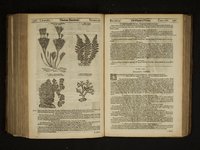
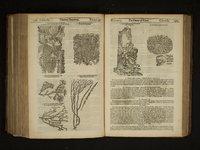
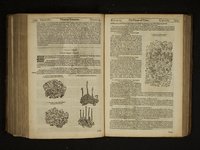
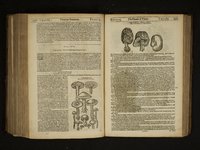
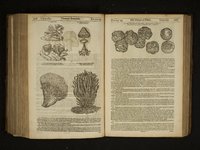
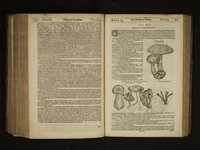
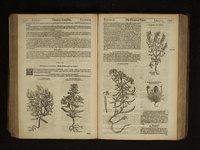
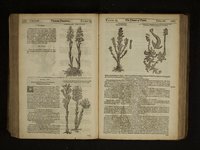
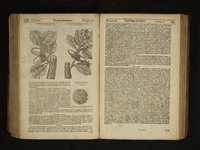
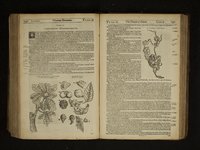
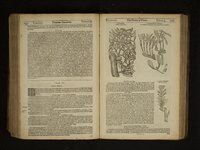
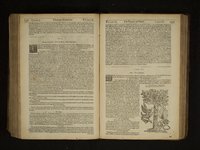
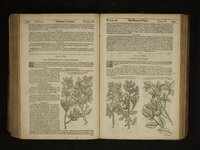
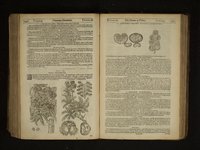
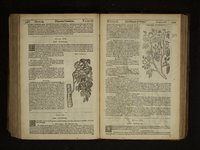
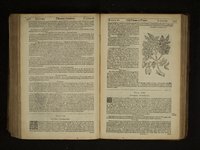
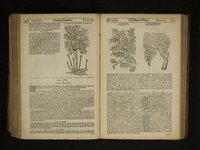
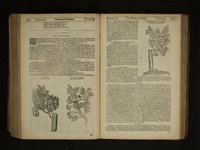
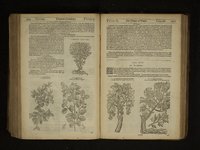
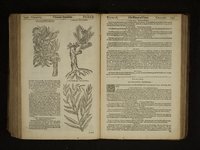
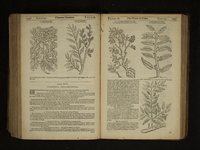
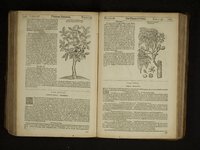
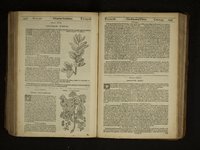
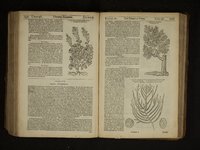
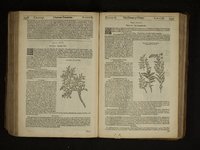
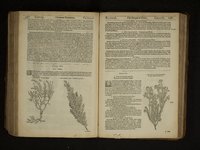
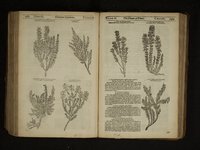
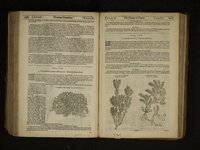
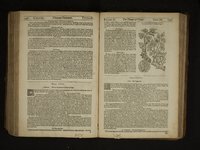
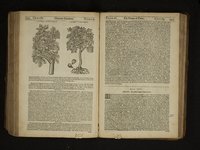
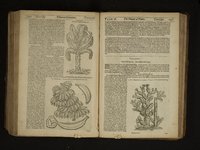
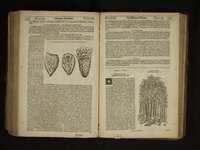
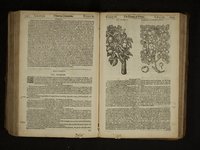
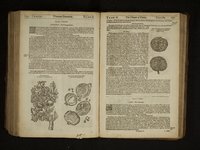
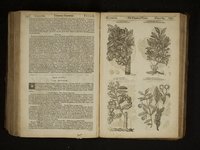
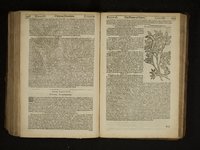
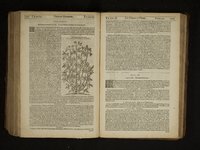
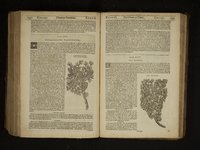
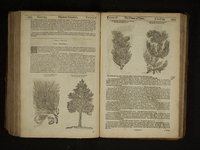
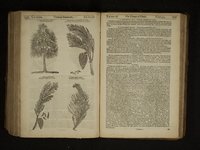
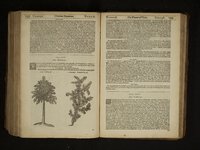
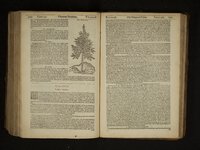
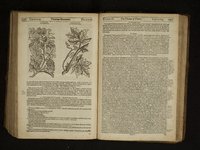
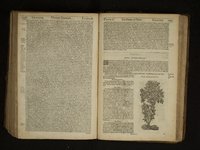
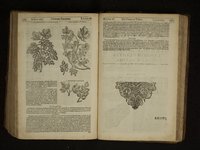
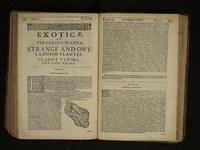
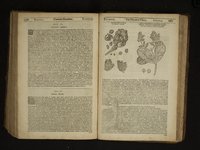
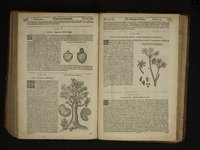
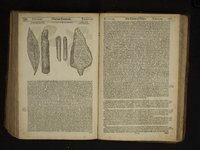
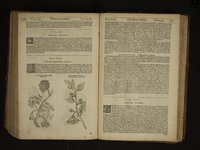
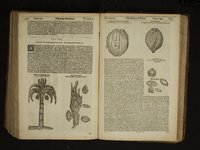
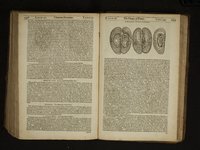
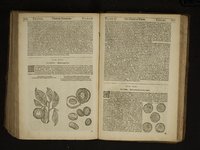
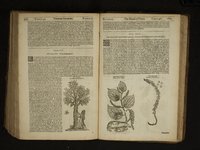
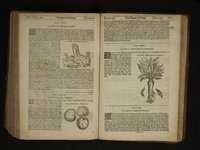
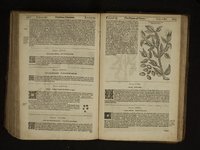
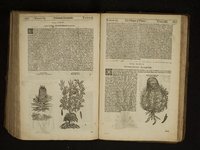
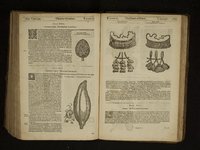
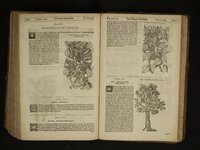
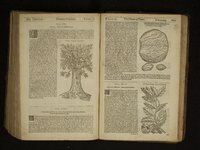
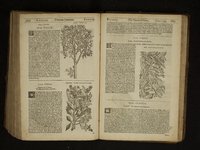
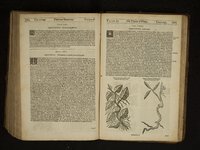
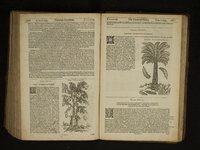
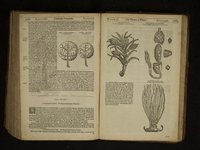
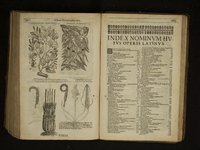
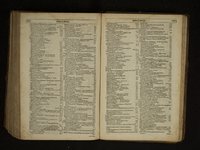
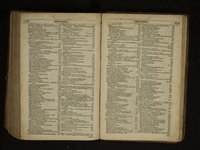
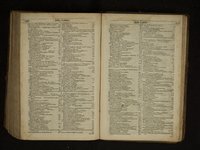
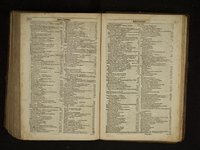
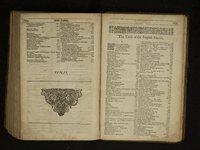
Show CaP, 25, 1582 7 rugged without, the toppe being higher, and had a ftalke wherebyit did hang, and wasfaltened tothe tree, this fruit was intalte very likeunto that of Cinamon, with'fomealtri@ion joyned thereto, and the pouther St diac ftrewed on theit viands; was ufed for Cinamen, the barke of the tree was thickes and had no tafte or {mell of Se a et 7 7583 Ge The Theater ofPlants. Taipei. Tripei7. Theatrum Botanicum. eee : s tion ofbitterneffe, although Galen doth, but of fweetenefle in tafte, none of them all bur Adtzari#t onelys whois oue of the later Greeke Writers; Garcias tocxcule the Arabians, of this their divifion of (o/tms into duals Cinamon, the fruite oncly being of fe,and good 'to comfort the heart and ftomacke,diffolve windesmend afin cisand Amarusfaith, that it might be that whil¢ the Co/fw# was freth itis white, and hath no bitterneffein it, but King treach,procureth a good colour‘in'the face,and to provoke womenscourfes, growing old, it growéth blacke and gathereth fome bitternefleto it, by the decaying, but the Apothecaries : Cuar. XXIV. ‘ a, . Cocealus adi me Goculur Tedus: sph Hefe berryes or round feed the Ztalians call Cocco di Levante, and the French accordingly, they 4 di gi are of a blackifh afhcolouron theontfide having a white kernell withinthem of bis hot talte, drawing water intothe mouth and as it feemeth grow many ai # like Ivy berryes, yet each by it aclteran afl fome thinking them to grow upon.akinde of Nightfhade, others ona kinde. of Tithymall, or Spurge. Cafalpinus calleth them Galla orientalis, others Bacce orie entales, Coculus Indus. Coculus inde. - f \ ? Wee They are wholly {pent either to make baites to : ‘ catch fiths with other thingsfor that purpofe,or the pouther ufed to kill lice and-vermine in childrens heads, : 7 * were neither very hotsnor very fwecte in fent, and Péiny faying plainely it 1saroote+ bac there hath beene very lately brought untousa fort of roote called Coffs, andtakenby many tobe the Syriacés, yet fome thinke it to bethe Arabicus of Diofcorides being fomewhat yellowith on the outfide, and white within, {mélling and rafting fomewhat {weetelike Orris, which therefore I judge cannot be right, which as P/:myfaith is very hotin tafte and very {weere infent, and Galen givethit {uch a degree ofheate, befides the bicternefle, thar it will extilcerate the skinne : many therefore have fubfticuted Zedoariain the want thereof, whichis the belt fubftiturion that can be,agreeing both in forme and degree, moft ofall thereunto; and therefore divers have contendedthat it was the true Coffm, but inregard Zedoarza hath morebitterneffe and lefle {weeteneffe therein, it cannot beCeffw, yer may be admitted asthe fubfticute thereof, but omnefimile now eff idem: Some againe told Angelica to be the blacke or Indian Costusbut being a homebredplant {o,it N cannot be,and befides hath no fuch bitterneffe and fharpe- nefle cherein,as Galen giveth to Coffws. The Arabianscall it Coft or Caff, thole of Surrat Uplot, and in Afalacca where they muchnfeit Pwcho, The Vertues hereof as Diofcorides tiath fer thém downe of the true Coffs, (whichasts beforefaid is doubrfull whether we haveorno) arethefe. Irprovokethurine and womens conrfes, and helpeth the difeafes of the mother, as well by 24s fading: two olincesthereof being druinke, helpeth the biting of Vipers, and is good againft the paines of che breft, fions,or the windyfticches, fwellings of Caps XXV: APs 2 fhops, efpecially in Exrope, thew two forts , farre differing the one from the other, both in formie and fubftance. Of late dayes indeed they have beene more carefull and induftrious to know the right, and to fearch for itandufeit, the Portugals therefore from the Indies brought inone fort, which as Garcias faith was onely ufed there and no other, butas (/#/ws noteth it in his Scholia thereon, this beinga ferulous fpongy ftalke, with the toppe onely of theroote to it, differeth from thofe of Dio/corides and Pliny, the one intimating it tobe aroote, by fayingit was ufed tobe adulterated orfalfefyed by obtruding the rootes of Heleminm Comageninm forit, which poffings in the ftomacke,fides or body , being taken eo z it provoketh Venery, “itkillech the broad wormesof the be the cold fic of agues to warmeit,and therebyto expell ic, Coftus; Coftua, He Galen addeth by.reafon of the light bitterneffe,and much fharpeneffe and heate,it will exulcerate. ‘ devition thereof into fweereand bitter, when as neither Diofcorides nor Pliny make any men< Coftus Indicus Clufij, fed with cyle to annoynt the body, before againft the weakeneffe of the finewes, and thé hip-goure,and amendeth thedifcolouring or bleinifhes of the skinne and face,ufing it with hony and water,and a3 &) Hele hither parts of A/a mincr,and Africa, by Ae SITE : , 6 , befidesall Europeas it is {uppofed for many agés of thefe ae ae dew,ate: not onely the ufe,but the knowledge of the true (ofus, of = Pa the three - rs ae ides mentioneth, efpecially Earope, and ic was the Arabians chat firft broughe in 9 1 in wine,and being taken with{weer wine Coffidiverfe fpecics. EAT Reh c Ckbtbe. Divers forts of Coftes exhibired for Coftus: Cubeb TEC sete Vbebs are {mall berries fomewhat fweete,no bigger then Pepper cotnés,but more rugged or crefted not foblacke nor folid, being either hollow or witha kernell within it,ofa hot glowingtafte, not fierce as Pepper,and having eacha {mall fhortftalke at them like taile, and therein very like to a {| kind of Pepper, was fora while wont to be broughtto us,which the Portugals called Pimenta det Y rabe,Piper candatum,Pepper witha taile,and was forbiddenby the King of Portugal! to be brought any moreleaft it fhonldfpoyle thefale of the ocher Pepper : this faith Garcics groweth on trees leffe then Apple trees, with leaves thereon narrower then Cubebe. Cubebs; thofe of Pepper running on trees like Ivy, or rather like Pepper, but notlike unto Rufous, called Ayres fylvefri, as Matthiolus Silvaticus thought,-as Serapio fet it downe but falfely : the flower is{weete, and the fruite groweth cluftring together,yet not in bunches as Grapes, but m feparate. Ce/alpinits tookethem to be Amom 1 thers out of Avicen and other Authours, to the Carpefium af Galen, and {ome to be the feed of Qaabebe chini,outin Java where they growplentif: tob © ! quis Caftus. The Arabians call them Quabste, and shy and are there of fo great account, thatit is faid, they might befowne and grow in fome other place g they boyle them in water before they part withth en the ftomacke overcome withflegme or and ufethem muchtoftirre up Venery, and to wa wind and are very profitable winde,and doe purge thebreft of thicke tongh humours, hielp the fpleene, diffolve much flegme and rheumefrom forthe cold griefes of rhe wombe : being long chewed wich Mafticke they draw the head, and ftrengthen the braine or memory. eSTe IRS es er ees —— r Guar, XXVIII. Curcama, Turmericke. T is very likely that Tarmerickeis Diofcorides his Cyperus Indicws, which hé faith hath a roote like 2 Ginger, giving a yellowcolour like Saffron, being bitterin tafle, anda prefent helpeto take away 4 to Ginger thenunto) any : t roote being muchliker haire : all which notes agree nota bly hereunto, the it to kinde of Cyperus, and therefore we may marveile the more why Diofcerides {hould referre unto a Cyperus, growlike did it that it, feene had that S22 Cyperus, unleffe he had underftood of chofe is {pecified, although and is very yellow both within and withonr, bitter in tafte,and mayferve for the haire,as is ot Avicen,as Mat~ peradventure the force is halfe loft by the long carriage, but thisis not the Grenof Serapio Trecte a thielws , |