| OCR Text |
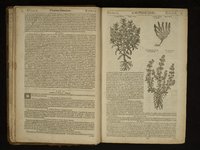
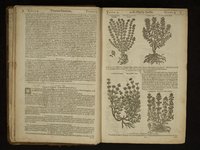
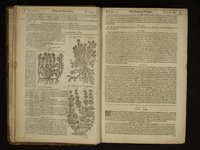
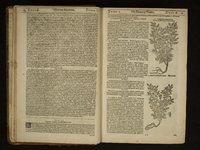
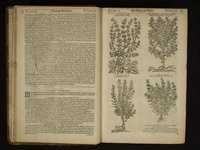
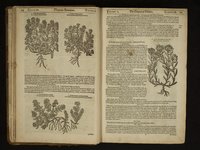
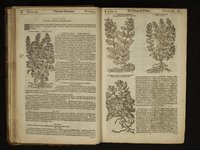
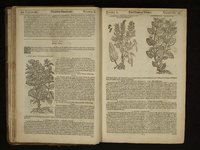
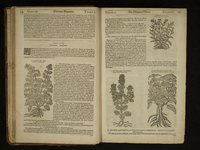
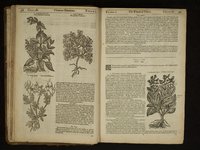
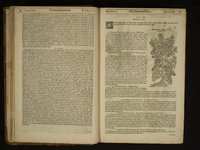
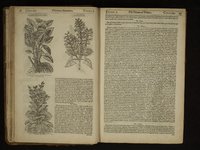
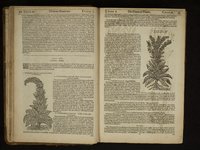
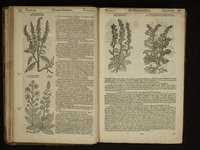
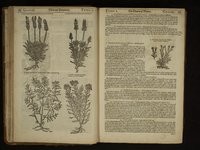
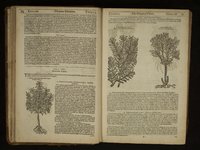
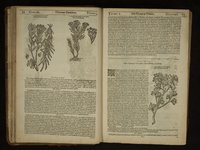
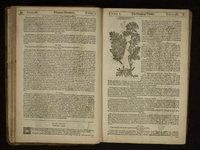
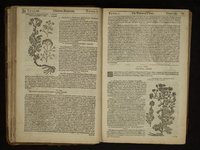
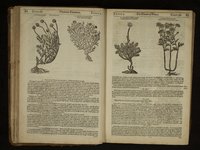
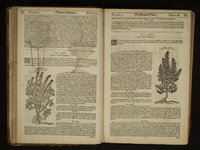
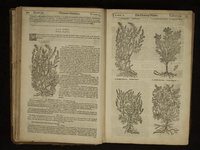
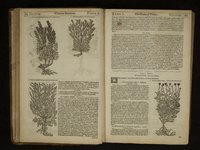
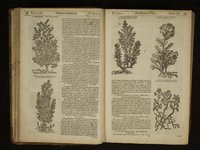
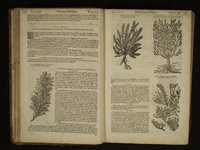
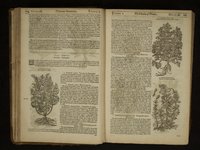
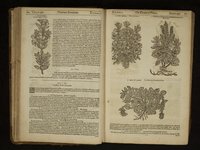
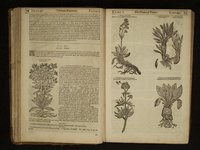
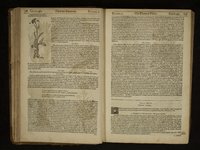
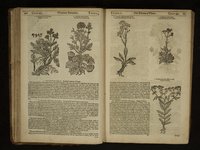
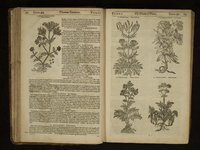
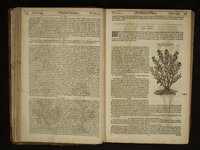
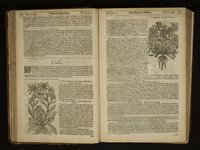
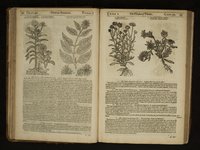
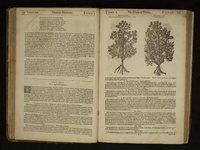
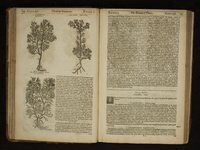
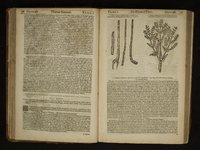
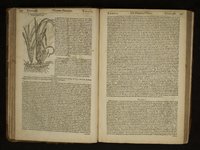
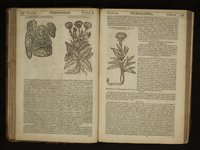
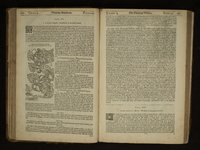
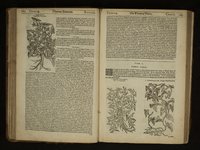
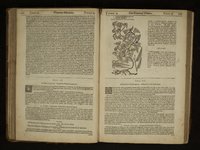
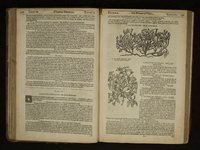
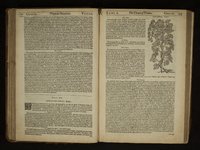
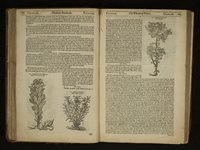
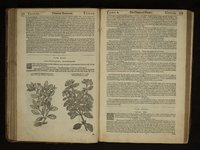
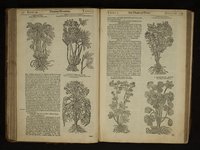
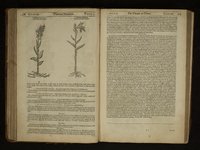
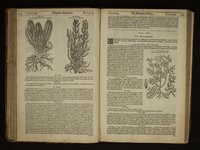
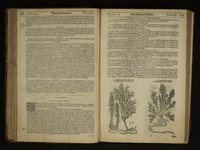
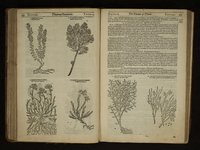
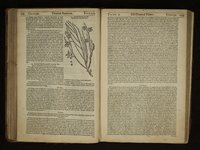
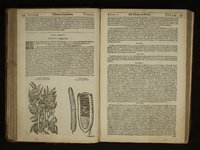
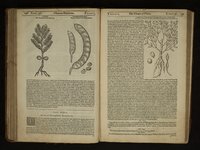
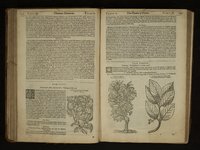
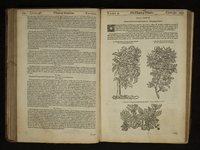
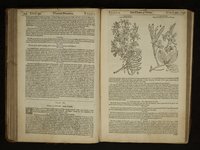
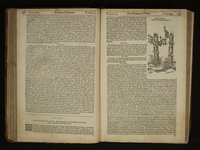
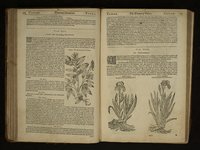
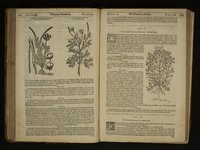
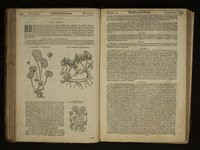
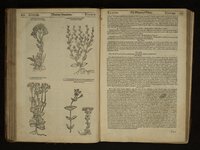
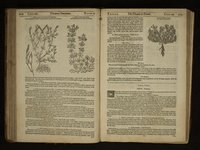
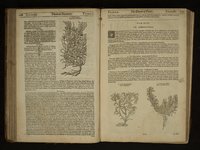
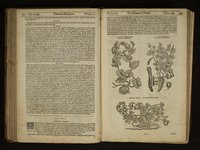
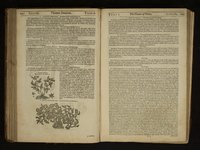
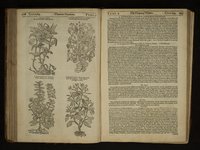
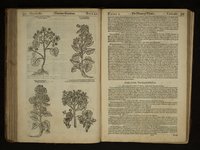
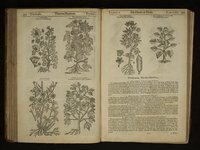
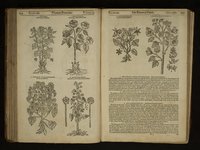
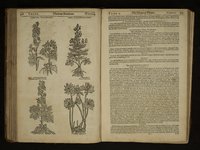
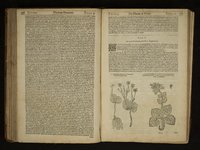
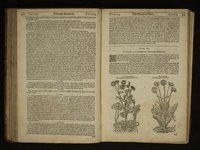
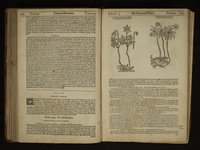
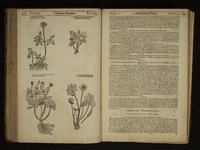
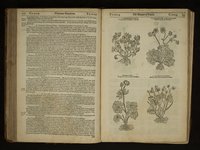
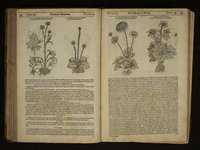
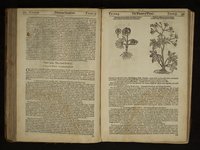
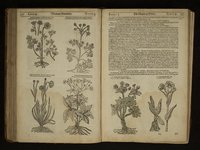
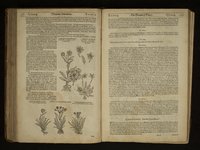
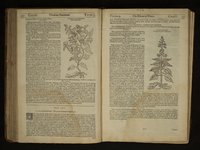
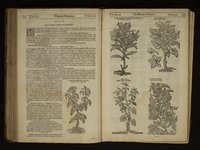
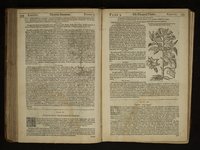
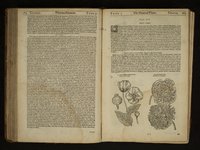
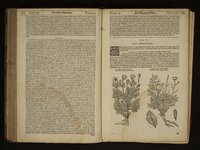
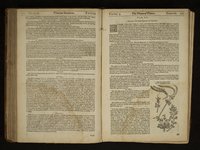
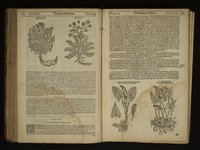
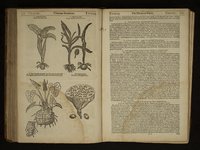
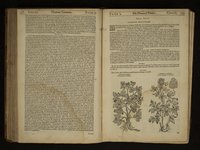
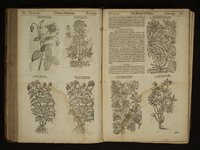
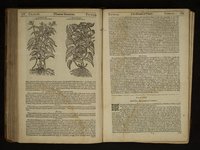
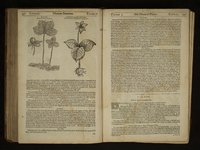
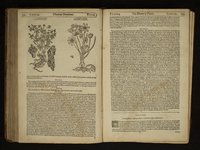
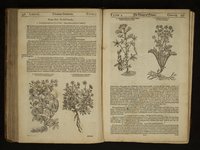
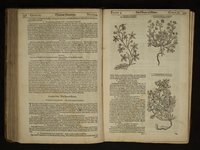
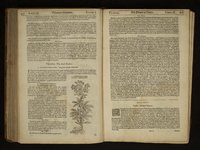
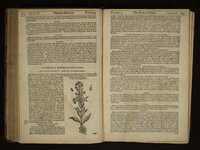
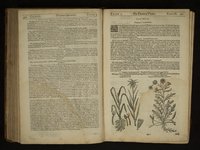
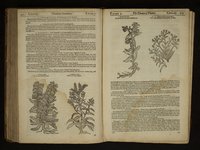
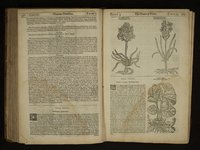
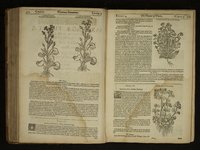
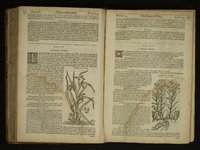
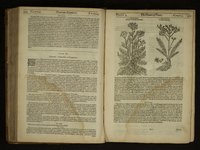
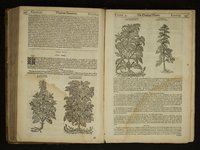
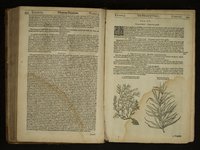
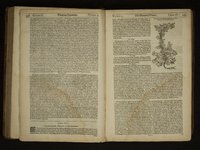
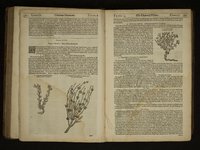
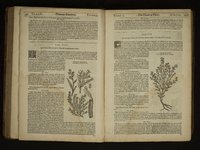
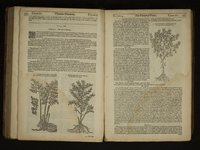
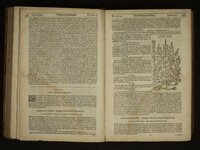
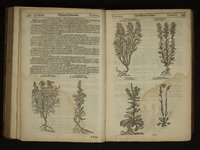
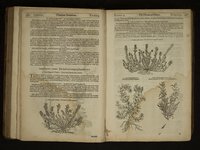
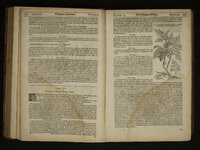
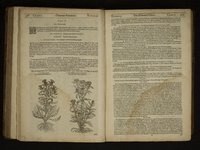
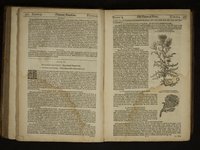
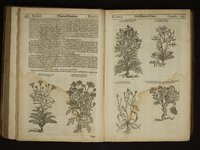
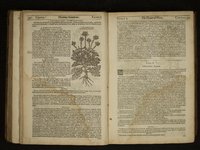
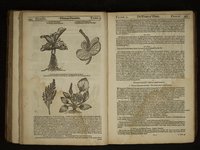
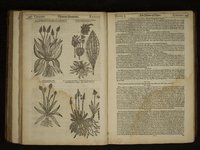
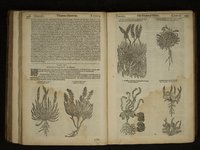
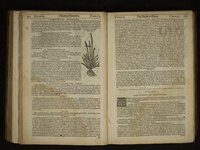
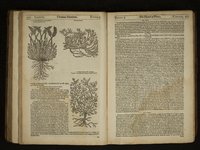
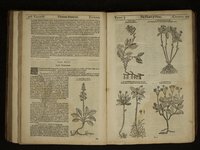
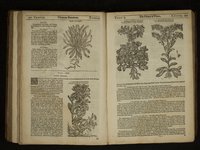
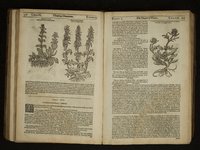
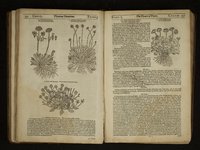
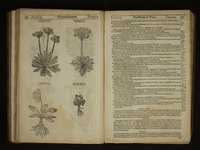
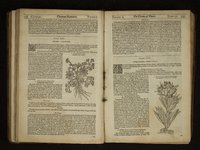
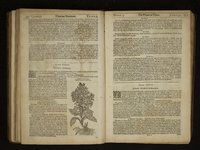
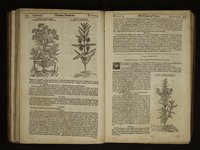
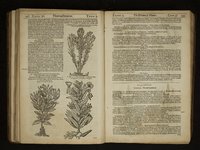
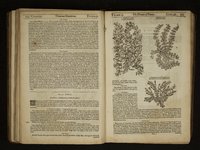
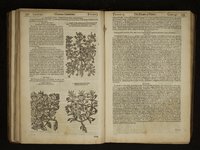
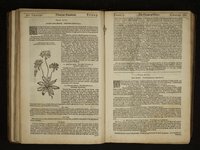
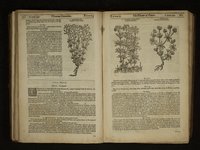
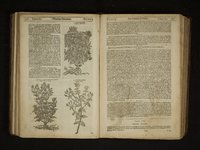
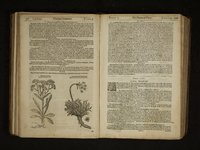
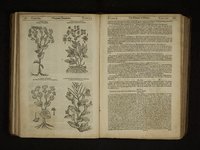
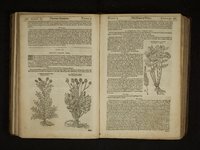
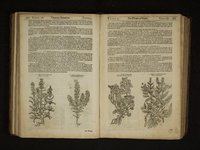
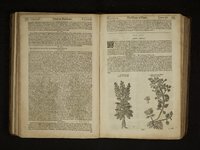
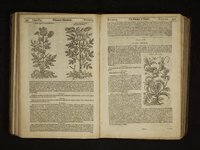
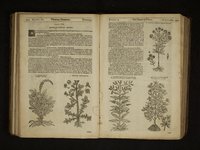
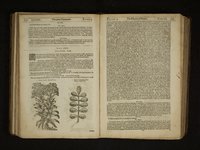
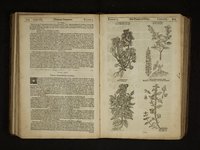
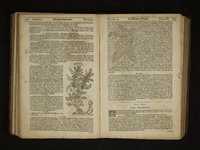
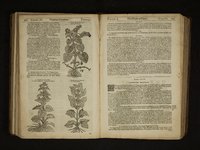
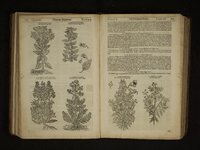
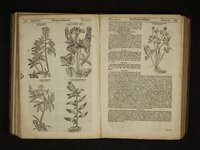
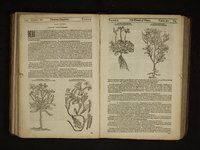
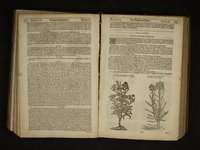
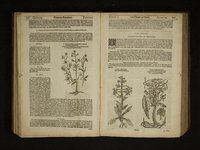
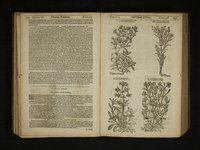
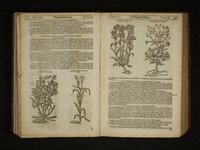
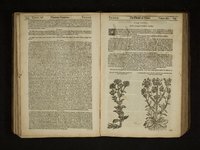
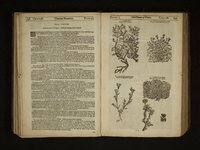
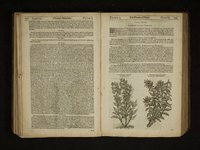
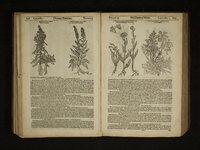
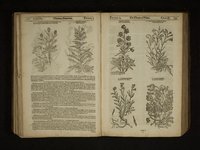
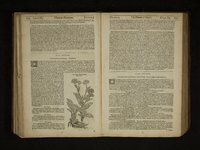
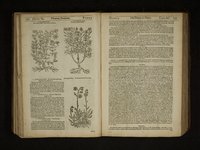
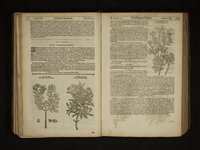
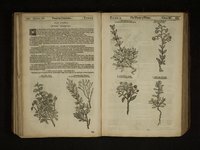
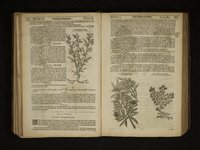
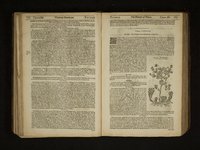
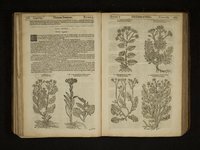
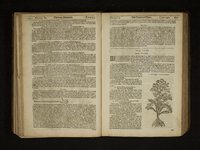
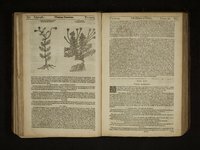
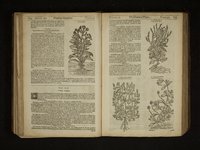
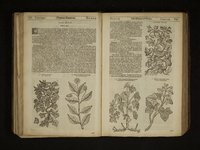
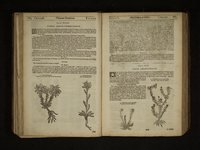
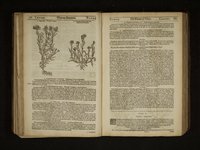
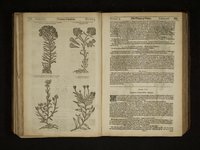
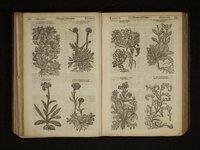
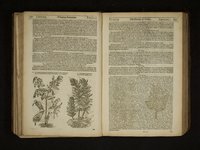
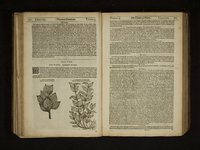
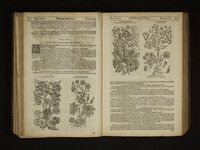
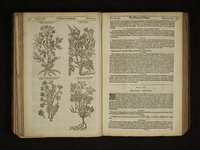
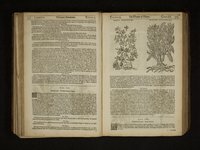
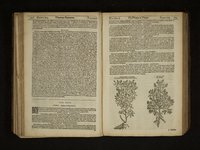
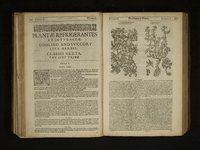
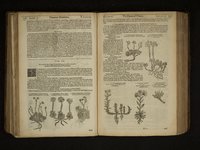
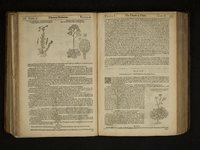
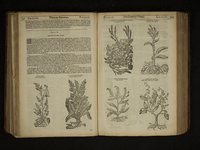
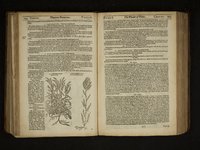
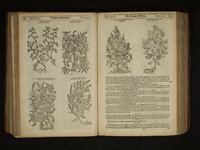
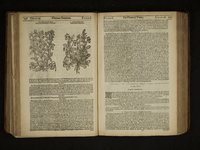
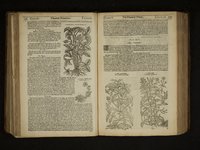
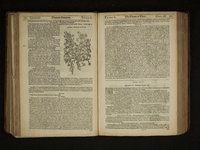
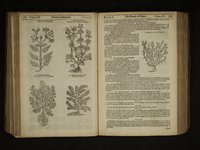
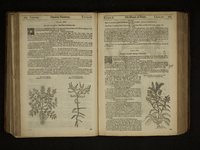
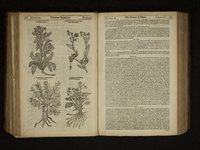
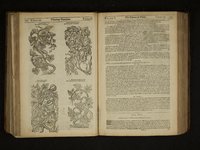
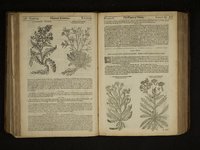
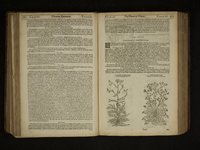
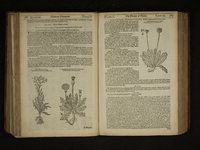
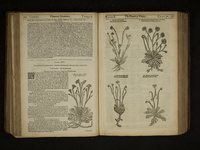
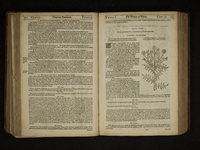
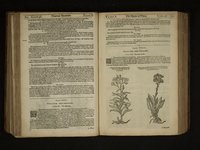
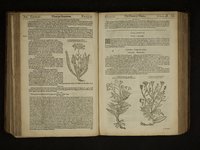
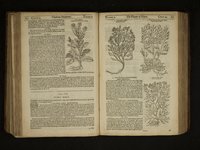
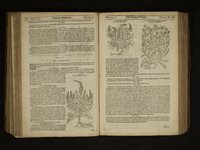
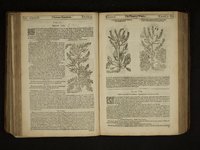
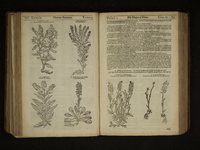
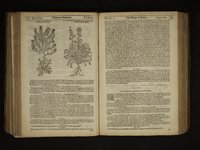
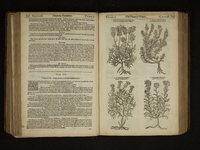
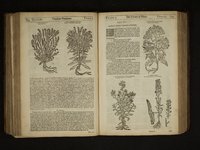
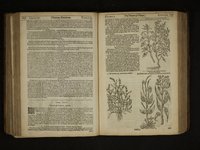
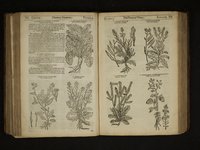
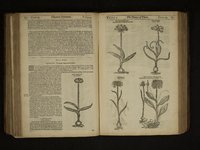
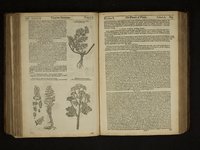
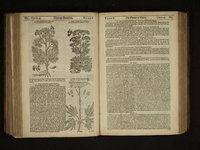
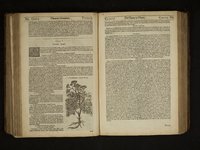
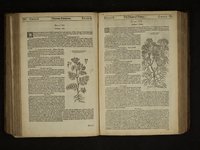
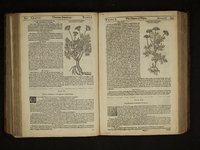
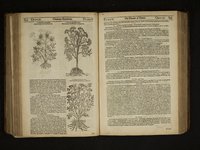
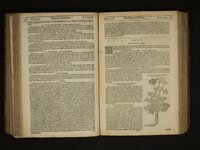
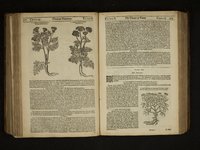
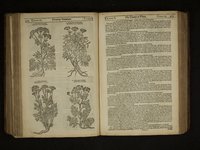
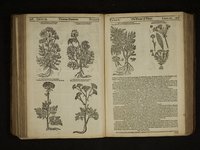
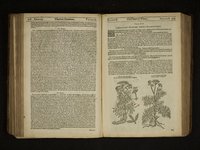
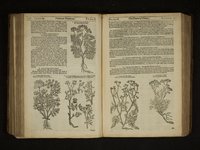
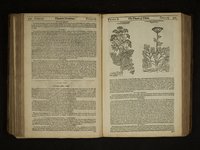
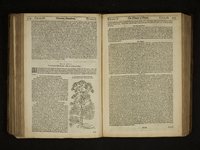
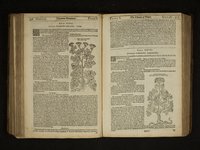
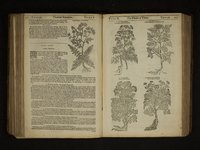
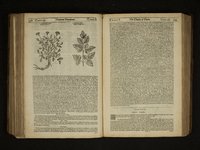
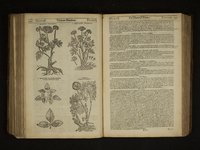
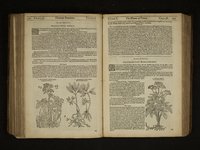
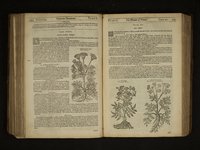
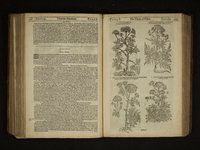
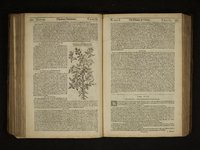
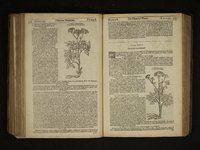
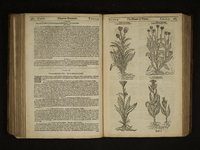
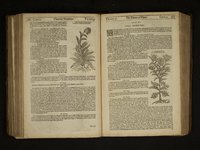
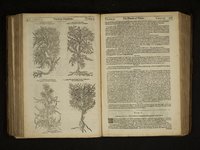
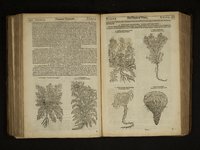
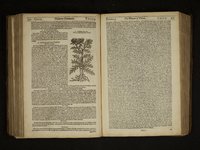
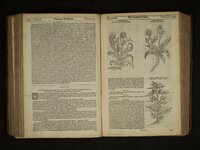
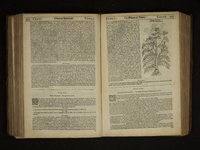
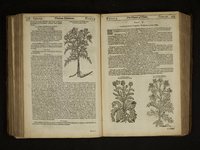
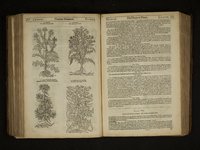
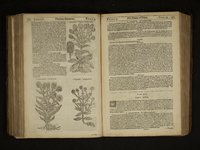
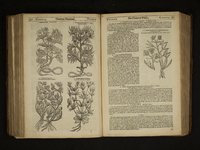
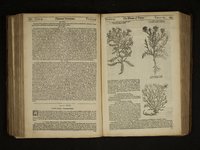
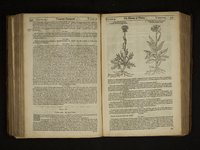
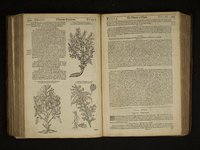
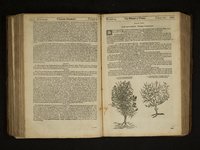
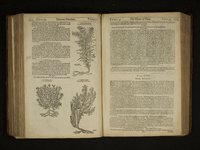
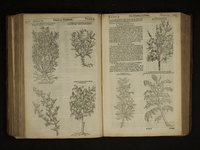
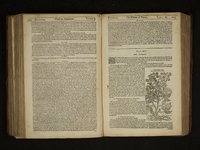
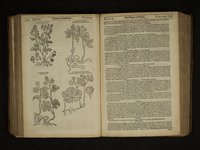
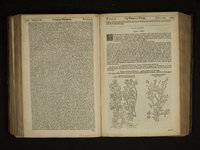
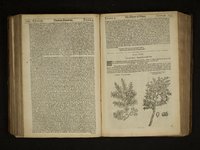
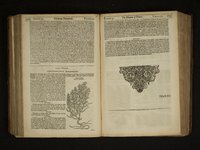
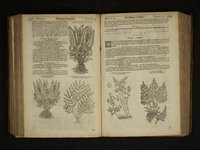
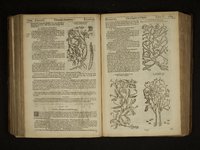
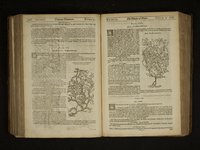
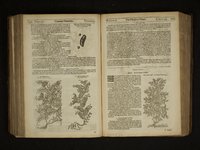
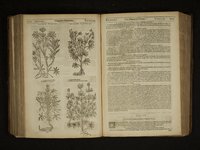
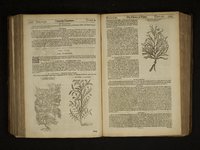
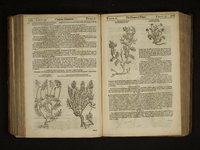
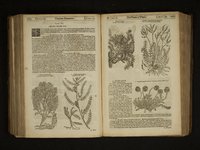
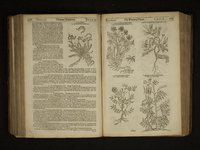
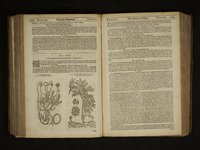
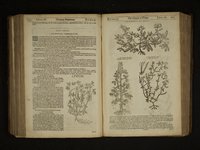
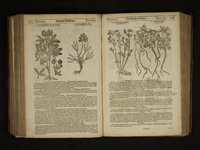
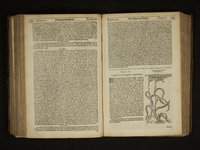
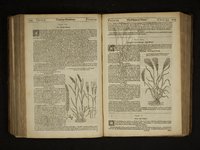
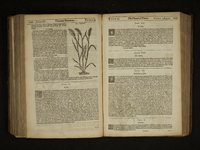
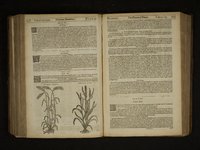
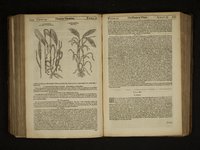
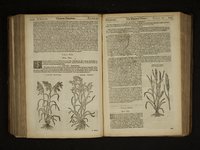
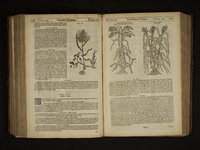
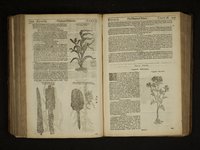
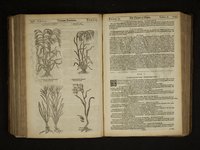
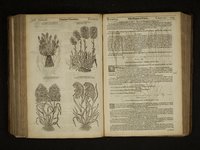
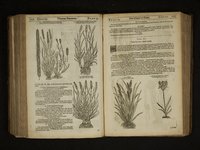
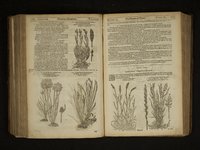
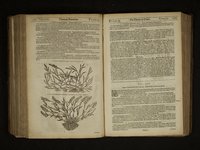
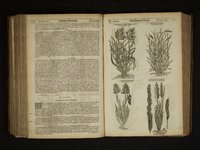
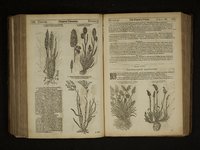
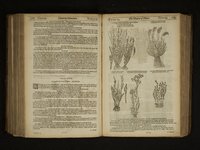
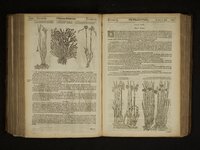
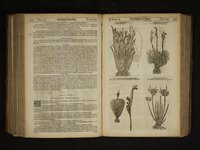
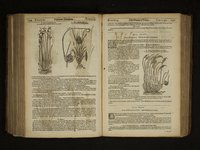
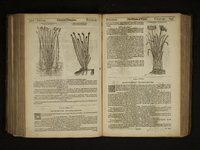
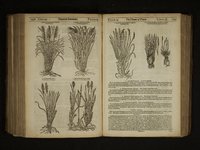
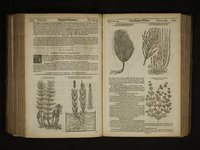
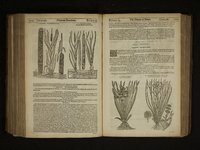
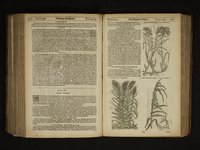
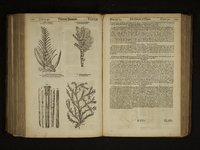
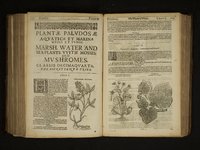
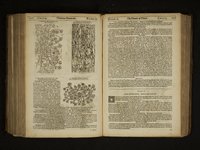
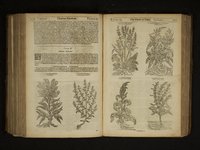
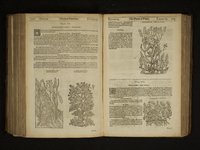
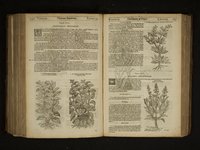
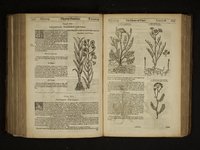
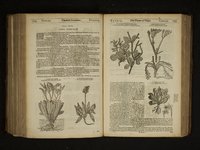
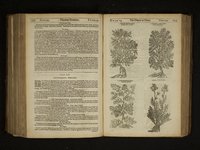
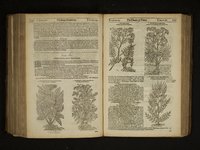
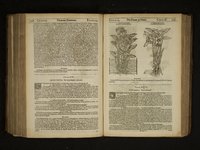
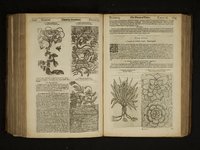
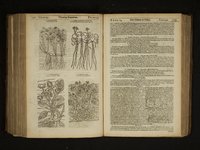
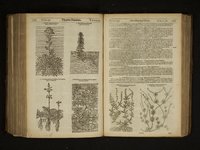
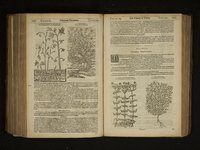
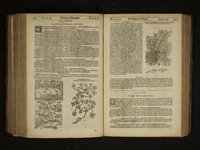
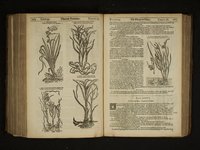
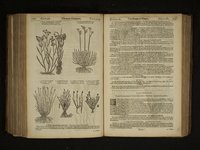
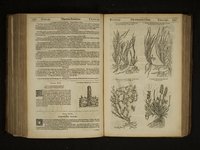
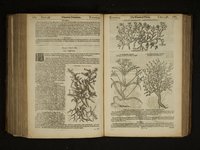
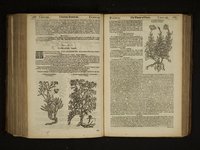
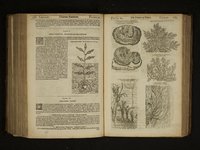
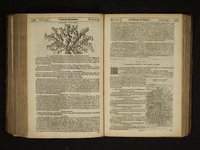
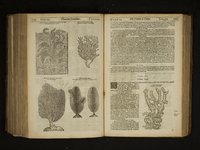
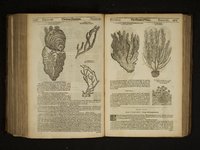
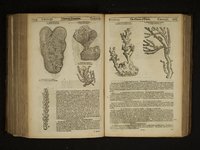
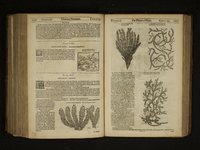
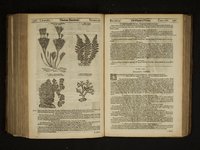
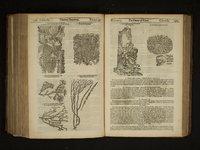
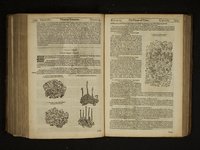
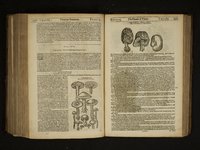
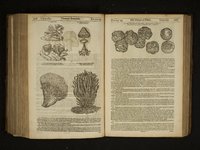
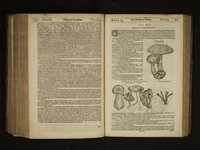
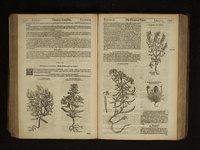
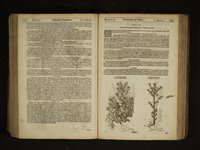
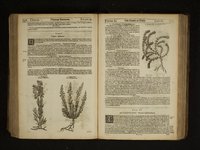
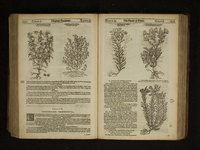
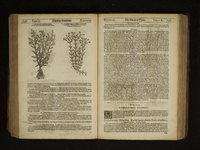
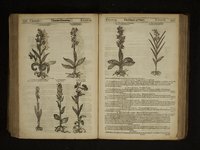
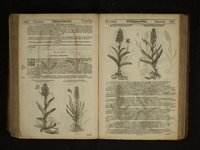
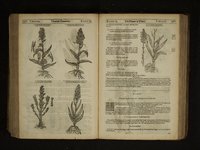
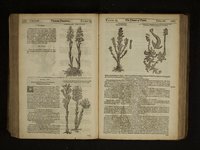
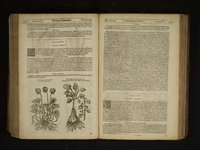
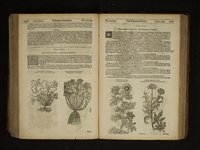
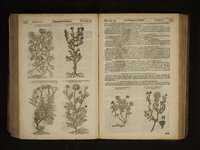
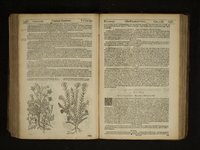
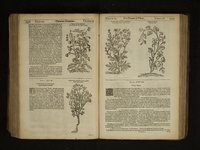
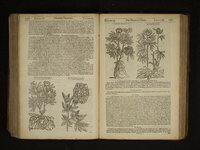
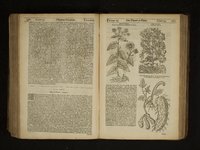
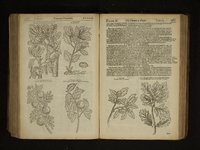
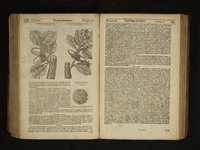
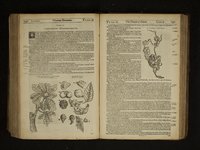
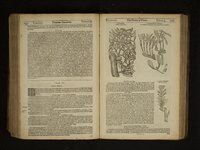
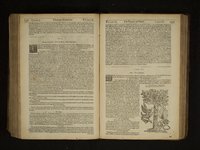
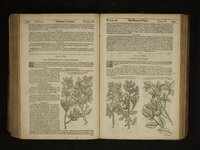
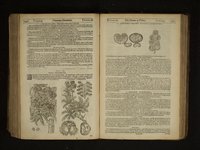
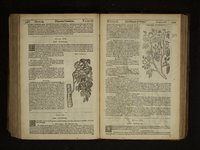
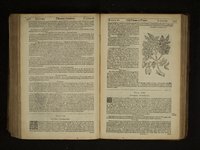
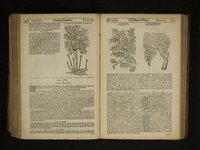
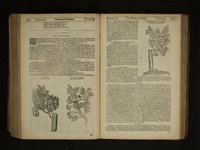
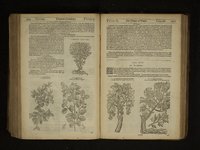
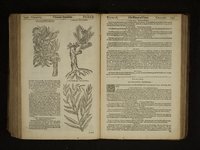
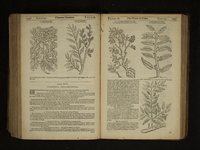
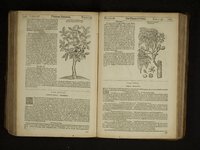
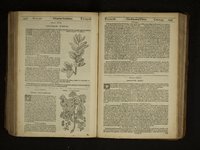
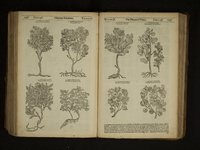
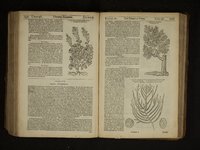
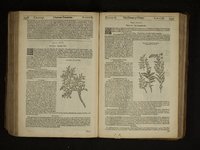
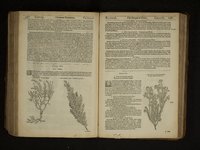
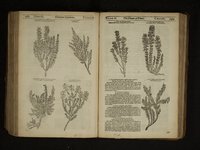
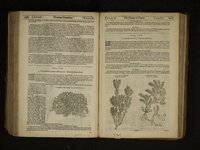
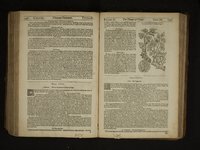
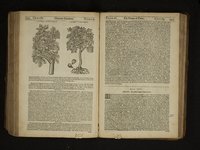
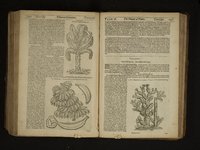
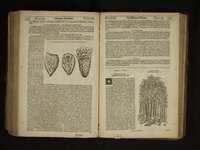
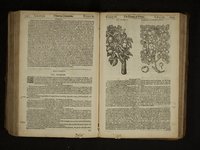
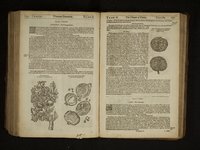
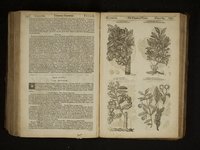
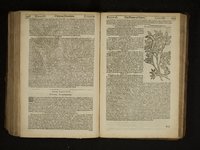
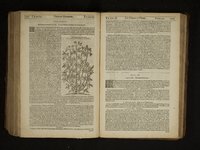
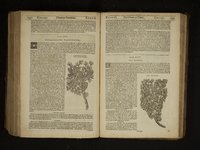
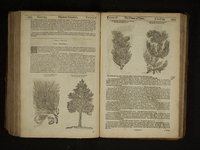
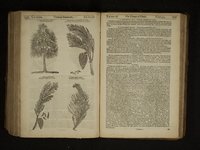
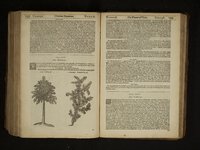
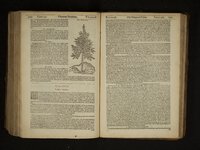
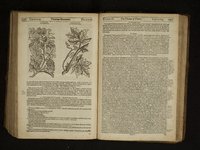
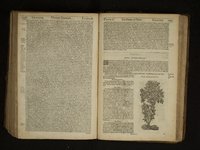
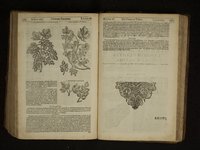
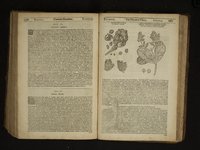
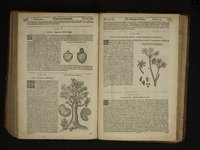
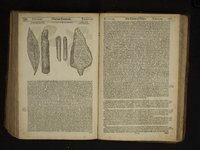
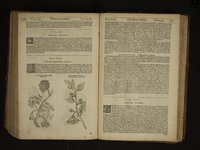
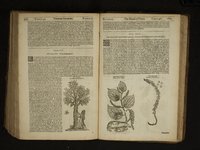
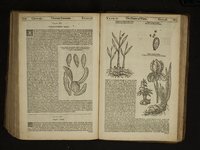
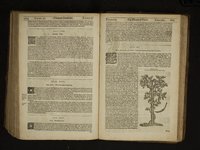
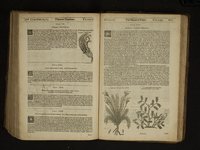
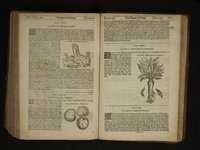
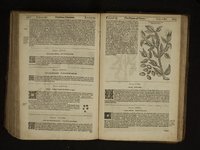
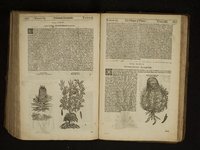
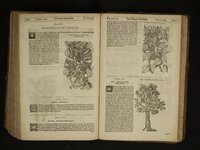
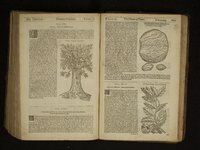
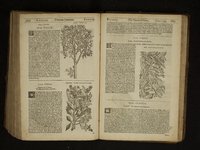
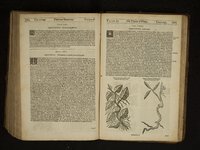
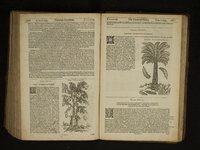
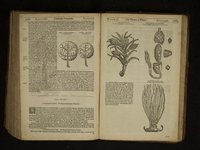
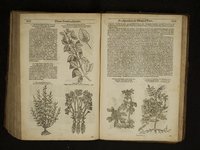
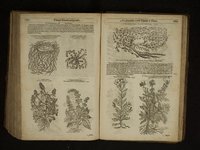
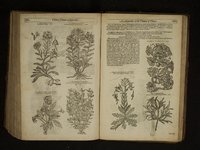
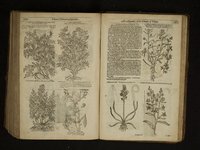
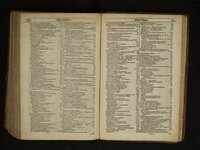
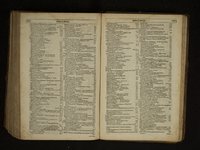
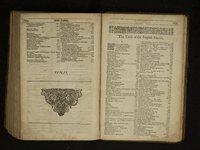
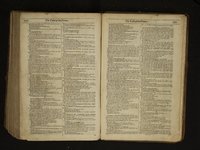
Show Cap.6, Theatrum Botanicum, Tr BES ree | novo ak Vii but in the fealy flower, eeeee. calyheada,whichare heads. which are notof fich a fhiningfilver like colour, which onely m aketh the Bic, imecs 5. Stebe Auftriacahumilior. "Tie lefler Stebe of Auftria ais aifo differeth fo 1little from thelaft, that itisin a mannet onely difting iaaeui uif 7 growing, and flenderneffe of theftalkes, and notin fe : thing elfe, f it: ta OF the _ 6. Stabe “rgenteaminor fore albo, Theany leflerfilver Stebe with a white flower Thereis likewife little differeice inany other thing in this, fromthe laft, more than in ve fl ower, whichi altogether made of white threds or thrummes, withont s any othercolourth erein rie 4 wan Plantagintsfolio, Narrowleafed Stebe of Cand is imallSte : be of c Candyhath divers : longg foft fat and nar rowleaves‘Tyine next the grounda Ij - edges but thofethar grow up withthe flender handfull long ftalkes lying norat all, Uucrflaablii e by on ¢ T > § % é mae caves, and are ofa yellowifh greene colour : the toppes of the ftalkes are furnifhed ia t ae iuskes or heads, out ofwhich grow yeltow flowers , and after them {mall long {cedelike unto th nn male | ong the roote is white and ofa fingers thickneffe, ne eon seat 8. : StebefpinofaCretica,a, The Thorny roeh y § Stebe ofCandy C Thiss Thorny Thorny Stebe Sts ofCandy an rifeth up attt the firft; with i :{m: oh 2 whiti e : {mall Corhe flower oe eles Bae thofe thatfo eS or Blewhur ‘ } llowa > rearewicr, ihgr and eene more aves, tte tto the cu leay ane iat the middle ribbe, but the peeces are f{omewhat round pointed:the ftalkes Sis h branched, evenfrom the verybottome, Hehe ce into manyflender hoary wooddy twigge s ket} ; eSaba fuch like, but leffe and lefledivided le rear branche thefe fmall 3 at eyerall ee s comeforth eaves come forthindjoynts iversof places fcaly heads, with white flowers farting forth of date miuithe like unto thofe of the little Cyanus or Corne flower, but never laid o as abidi : ba hg aon, continually : after which commeththe feede which is fmall and long ; the ee ihe icof he ee ot athcolour, and liveth many yearesin the warmer countries, ee Se ee ee hoaty or 9. a latifolia Cretica The broad] el : Stebe Jfruticof ofa-tati . ad leafed fhrubbe Stebe of Car s Ne plant being found Brow ing inCandy by Honoriz s Bellus, and the feedes re 4 yithout any proper: name, but Pulcherrimus frutex tby him unto Clupus ee one as you you have s i ferdowne in *; aS i n have h i it ? his feco yee a er end ofhis nea of plants ; Ihave thought morefit to joyne i ah 2 Vee to noe OO Gorn Storaxtr ee,as ifit eae with the were a {pecies t thereof onely becaufe Poxona itn hi =¢ : } i oe fas s {ai folizs Pomi Pomi ;butbetweene «bur berw, oe and Stebe, thereis3 {mall difference, Joliys : Cyanus i anus freti that it may be releaed ea pleafe ; ; forrit it partak pa eth th of both b forts, r ch Lo0e€Ver one and yet : properlycannot be } {aid sto belong to eitt i if aeeres It eaves ep we Wood inti dy ftemmée for fome cae Meem: eeen0 a OWS § Faia, pittdi call it, Cyanfolis Styracis; bute himfelfe ( I heanePena) therecatens Eee faith, a pe oe eee tothe heigh t oftwo orthree foote in compafte round fie ee : oo ao Poe: y delighefull to behold, being fomewhar Jong and, brow vitreteot lik a Stow Ww fome have com i ae : Le ee ean eae ne ipoe ait n, Deing very white underneath almoft like filver- Whi hich tces leacs, Which are whiter on the aveo underfidethan th eee ae oe - ae a vnto eee cha en S t oe of the Stes tree, which are verylike unto thofe ofthe e in us holdeth cotre 5 ii ee oa. fpondent ee aneante s 'ave et very {parfedly : from thefe armes or patsoie ie Hlspatedtiaiie ce s ee the likeIacea, leavesoronCyanu y aes 8, longer than any Stebe, them fer 5 He aid eee s, buelef Be ag he rics mb a wa pa ev ea ne ers {et together asit were in atuft,inthe fame cane sextis a formeg unto the Cyansi ot Connstiw o Re eort er Bebut ofa at the ower, offtandthe pale s s, very like f f ae Oreng e toppe colours ;where which heads afterflower the flow ntaine D a AT in them {mall and long feede, fomew hatlike Cummin feede,but 1 long after, not falling away: the roore i cae is hard and b woodd Rtn ylik" ea Be ccterok cue oy (th, Jt z iis ie ae fl is Mesgtoat at eanesee ee. S The narrow leafed fhrubbe OF ae Sree ofie oF naturall p ace rifeth to be three or foure cubits high, with a . € covered with a hoary rugged barke, wood the woodit felfe being very hard, eer Whence it fpreadeth many branch & of i fe ee aoe es on all fides tugged alfo a the baron’and ae ee pe porti PASS ii thicke fet ed * with eee x Hicnee very long and narrow leaves, & fomewhata like unt 0 ee tho i Ga i it eee all other;the gteate r armes do fendforth e epee as o as e ci an norter and atthe ends ofeve ry of them one {caly he d, fi t wers compofed of many purplith blew ste threds Ij or a Stabefor the manner,tnt larger ee a etna thanei of both: this lant will ae? ard into what forme you pleafelike unto ther cee colour other buthes, arid ‘vil alfo bene = Hedge buth, to becut and trim= wihke upon it,efpeciall y in the warmer countries, yet will not abideth.oe ae g raeth out fome efpeciall defence : the roate with is wooddy and {preadeth like a fhrub be or buth persia The Place Thefi r e three ie anfortsthe fourth crow indivAEM asp and § sine, int s bat pipcciially about Salamanca, as Clufius who firlk fer gtow about thofe parts: the foure laft theirtitles teltifie to bein cand ye607" Bag # lkewite pee fo Theyall doe lower in the Sommer of Azguft or September, where if anyeayee oe. d t dy flowerlater rely froft take i orches e ¢ they with e rall places, which are the Warme erft e countries, ue they oe ;many yeares, raight wayes, Sfbaghinthee = ve AlthoughI ough ti doea: acknne owledoe - (as as IT faid fai befo eforree ) that h none of thefe plan ts are thetrue Stebe th ients growing with minice vel becanisieCh; a T heophraftus, but thouldbe {0 call the formerfortsortsand eft eme of them s Clufiu and eltc s {aith, the learned Phifitions ofSalamanca in , beca nfe the ends oe adpickles Spine Aid chai. ofthmareir leaves ’caves wer w e fhar e pe t poinn ted,n which e in fome part TR1BE 5. Tfbe Theater of Plants. Cuap, Ae 479 part asthey thought did anfwerthe defeription of the Stabe of the ancients ; as alfo becaufe thiofe plants pay in the judgement ofmany be referred to the kinde of Seabions ( but more truely T fappofeunto Tacea’) which of molt Phifitions of thefe later ages, is thereforeaccounted, called, and ufed for Stabe ; which notwithtanding is an error great and intollerable, in regard Scabions isa fmooth herbe, wit hout any fhew of pricke or thorne thereon whichthe trne St.2be hath , fo itisno leffe erronions to transferre the vertues of Stabe tothe Scabicns.< foras Diofcorides and Galen after him doeaffirme,Seebe hath fo drying and aftringent aquality, that ir-wibftay any fix of humours or bloud in the bowells or belly, asalfo thofé of wounds, which I thinke was never found in Scabions. But that 1 may informe you, ( whichto fome may feeme doubtfull ) that Srabe hatha prickly ftalke, whichis neither extent in Diofcorides nor Galens Coppies + let me thew you it out: of Theophrafine inhis fixt Booke and firft Chapter where he numbreth PA/eos,which as he faith, wasalfo called Stabe, (and nor Phioum, wheteok hee {peaketh in his fourth Booke and eleventh Chapter,amongthofe plants. that grow in watery and morifh places; the likeneffe ofwhich two words, hath deceived many, miftaking them to be one thing, )among thof ‘plants, that havea leafe befides the thornes on their ftalkes, which fentence Gaza (as I faid before) tranflateth, ehatic hath befide the prickly leafe, another leafe alfo by it, for Theophraftws in the fifth Chapter ofthe faid fixth Booke, doth deny Phileas, and Hippophaes to have any prickly but a fmoothleafe, although in the third Chapter of the {ame fixth Booke, he feemethto fay, that Phleos, Tribulus, and Capparis have prickly leaves; be- fide the thorny ftalkes, but both of them cannot betrue. And herein Pémy hath fhamefally erred in-eonfounding Theophraftus, making Phleos and phlenm to be one thing, and hath beene the canle of many others errours alfo. Plutarch in the life of Thefeus about the begining doth maine stzbe. among the thorny plants, whofe wordsare thefe ; AZenalippifilins Ioxus Ornito focius deducende in Caryam Colowiz fuit unde Toxides originem traxerunt, quibis mos est patruys, neque Spins Afparagi, neque S.tebes igne cremiari (ed honore & calty profequi. In Englifo thus, Toxws the fonne of AZenalippus was joyned with Ormtus, toleade forth a colony'to Carya,ftom whence the Joxides have their originall, whofe Countries cuftome itis neither to burne the thornes ofAfparagus norof Stabe, but to give them honourand reverence: thus much P/utarch, ¢4tius alfoinhis third Booke and one and twentieth Chapter, remembreth Srebe, faying that Epithymum, (ot mote truely Daddsy) groweth uponit. But nowas I have fhewed you that the true St.deis a prickly or thorny plant, and that there= fore neither Scabious nor this Stabe is it, Let me here alfo fhew'you what is the true Stele, which is indeede wore thy the hearinig,buc that [referve icto a fitteplace, thatisamong the thorny plants, whereitis called Pimpinella spinofa, ox Poterion, but I forbeare any farther to {peake thereof m this place, The firft of thefehere feedowne, is called by (ufius Stebe Salamanticaprima, by Dodonens Aphyllanthes prima, by Banhinus Stabe major folis Cin choraceis mollibus lanuginofis. The {econdis called by Clufus, Stebes Salamantice prima altera [pecies, by Lobel Stabe argentea incana Aldroandi, by Dodoneus Aphyllanthes tertia, by Bauhinus Stebe major folys Erace mollibin lanuginofis. The thirdis called by Clufius Stabe Salamantica altera vel tertia, by Lobel Stabe argentea Salimuanti= caminor, by Dodoneus Aphyllantes quarta, by Bauhinus Stebe calyculis argentets, The fourthis called by Clufivr, Stebe Gallica and Auftriacaelatiorby Bauhinus Stabe major calychlis nox (plendentibur. The fifth is called by Clufius, Stebe Austriaca humilis, by Gefner in collettioneftirpium, (entaury majorts Species minor, and by Bauhizus Stebe incana Cyanofimilistenuifolia, The fixth is called by Taberrsontanus and Gerard, Iacea flore albo, and by Banhinus Stabe calyculis argenteis minor, The feaventhis called by Alpinus lib de plants exoticis as it is in the title, The eighth is called by Ponainthis Italian Baldus, Cyanus (pinofus Creticus and foalfo by Alpinws in lib. de exoa ticis plantis; Clufiasin his Avétwariam,to the other Appendix to his hiftory of plants, calleth it Srebe peregrina, and faith that Iacobus Platean, who fenthima branch oftheplant, with the figuré thereof drawne, having gathered it in the Garden of the Duke of Are/chote, in Bellomonte, called it Stebé fpinofa fruticans. The ninth I have joyned with thefe Srebes as Ufaidbefore, rather then'with the Storax trees as Baxhinaus doth, calling it Fratexrotundo argenteofolioCyani flore ; for Pona inthe fameplace abovefaid,callethit, Cyanus fruticofus Cre tics, andis the {amé plant that Honorins Bellus, in his {econd Epiftle to C/ufius, as he faith, could nor learne by whatname they of Candy calledit, andtherefore he onely called it Pulcherrimus frutex, \haveas youfee, fer it and the laft with the fFacea’s, being neareftin likenefle to them, inregatd thefe have all {caly heads, as the Laceas have ; which arenotfeene inany Scabions, The lalt Povain the defcription of Mount Baldusfirlt called Stebe capitata Rofmarinifoliys, bat after inhis Italian booke, he calleth ic Chansepitys frutico(a Cretica Belli, and by them ofCandy called Beswatina, id ef,lignamfetidum,and by Bauhinus Iaceafruticans Pintfolio,and is thought tobe the Chamepence Plint of Anguilara, ‘The Spaniards as Clufiusfaith, call the firft by thename Cabe/nela, id eft, capituluma little head, and ufaally make broomesthereofto {weepetheir houfes,the learned Phifitionsthere ashefaith, ufe the third fort inftead of Seabious forall the purpofes thereof. The Vertues, is The moft of chefe forts,but efpécially the three firft,do come fomewhat nigh untothe qualities of Scabionsand therefore I mult referre you thereunto, to knowboth what remedies may be had fromthefe plants, andin what manner,aiid to what purpofe to beufed :for as Seabions fitteththe parts whereunto it is applyed,fo doe thefealfo, €uarv. VII. Ptarmicenon vulgares. Vnufuall Sneefewort. S27 Havehere as I promifed before, brough: to your knowledge thofé othér plants, that comming neereft unto the Iacea’s and Stebes, and yet being none ofthem, werefitteft to be entreated of ina > Chapter pechliar by themfelves ; foras I faid although Bawhinus doth put thefetwo forts under the title of Laced olee folio, and reciteth their authors for them, whoare chiefely Lobe/ and C/ufivs, yet Tcamnotfindeby the fameauthors, as well asby mine ownefight and knowledge, but that they are differing plants, frombothZaceaand Stebe, but I would not have youconceive,that any of thefe Prarmica’s is that,which groweéth wild with us-in divers places;for I meaneto bringit into that Claffis that is fit for itnamely that of hor, fharpe, and biting herbes; the double kinde whereof, Ihave fet forth in my former booké. I. Ptarmjca |