| OCR Text |
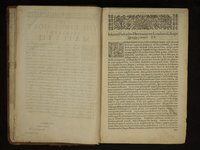
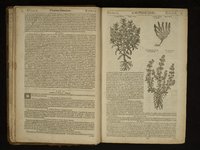
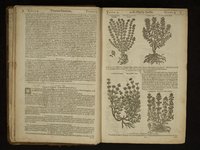
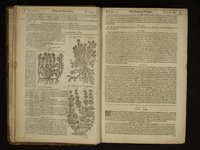
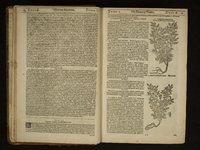
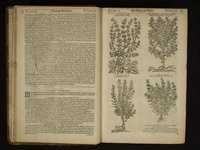
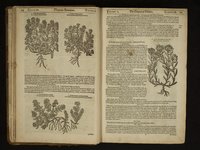
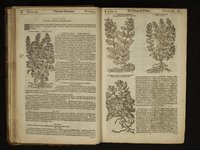
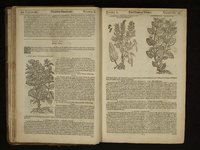
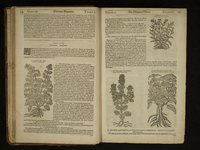
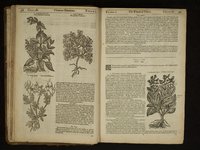
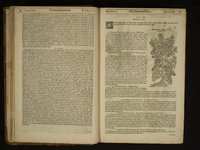
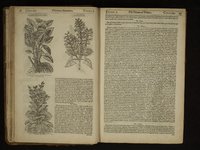
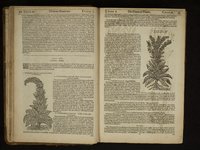
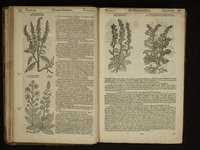
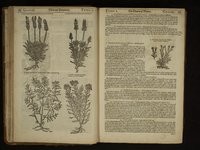
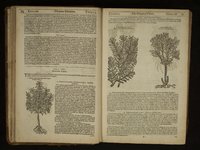
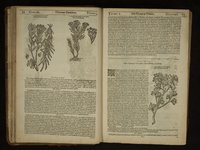
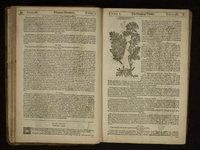
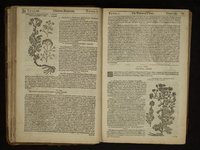
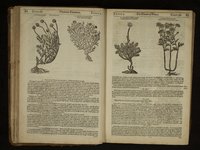
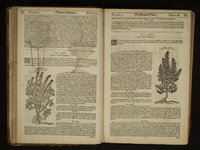
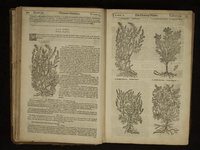
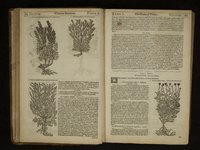
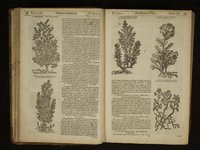
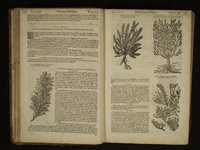
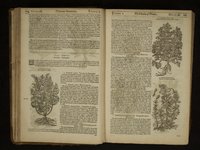
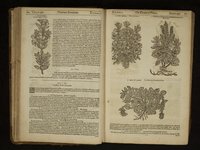
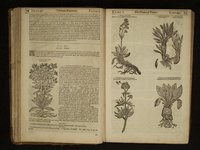
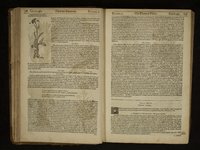
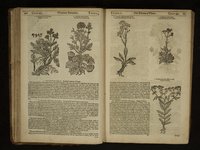
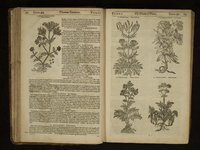
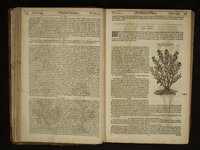
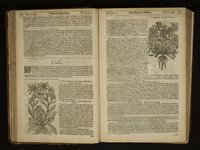
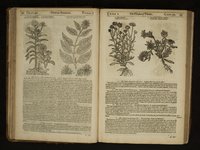
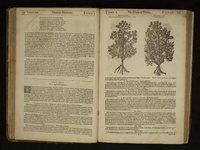
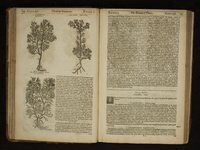
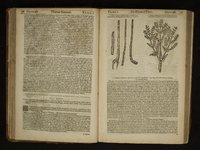
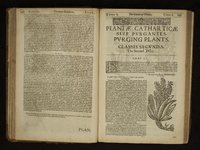
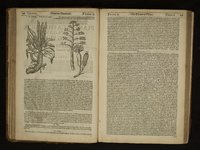
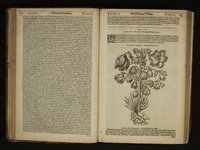
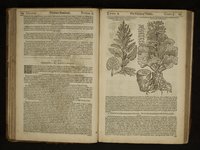
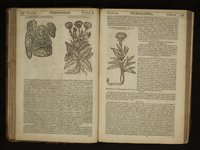
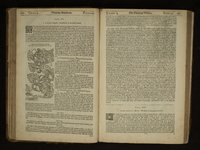
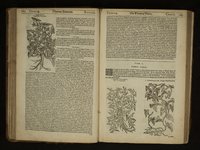
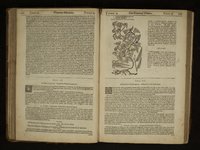
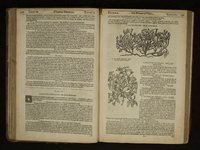
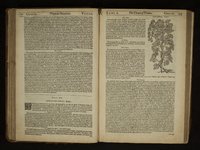
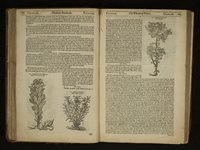
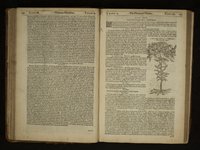
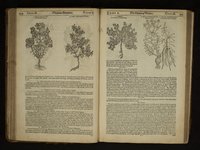
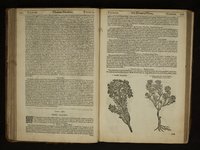
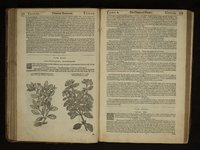
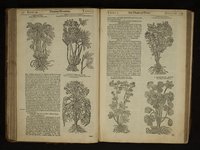
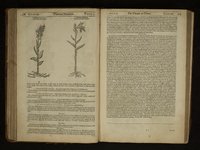
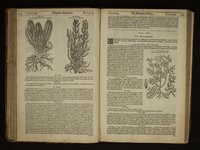
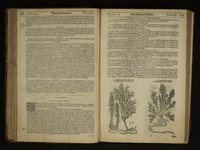
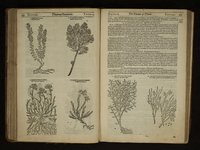
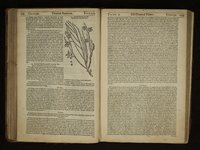
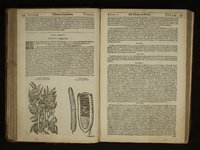
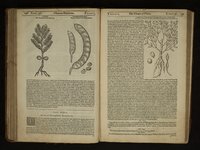
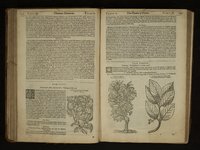
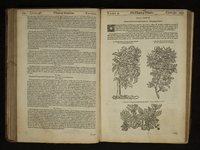
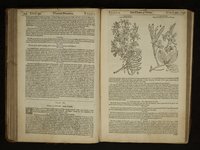
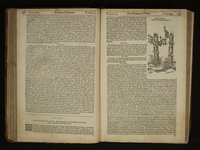
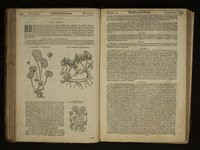
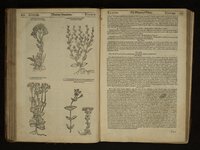
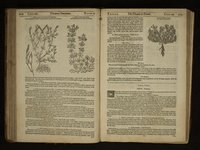
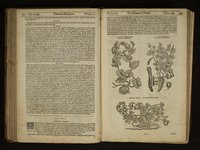
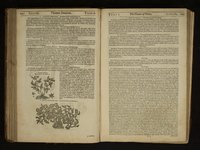
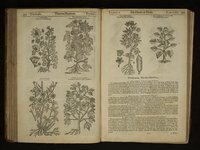
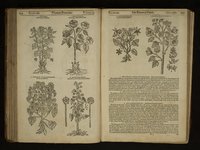
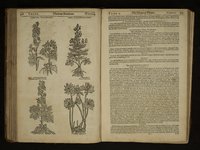
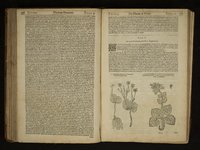
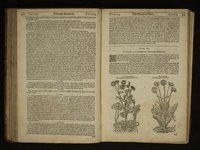
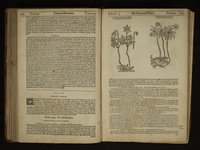
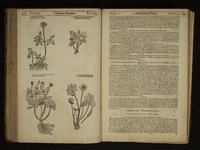
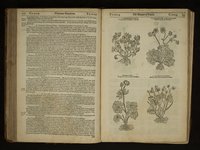
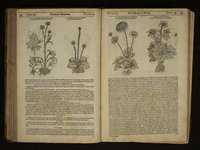
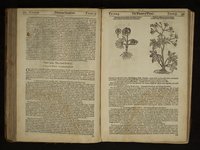
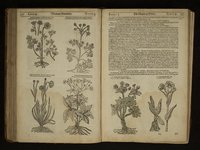
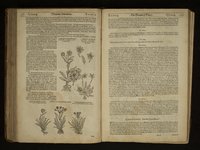
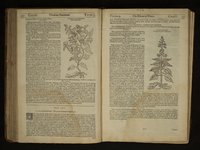
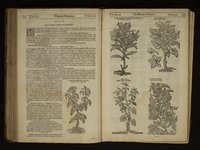
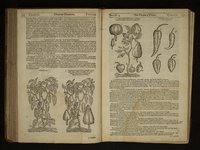
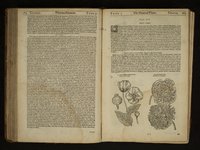
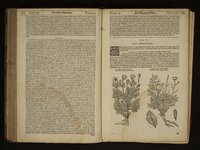
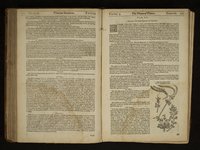
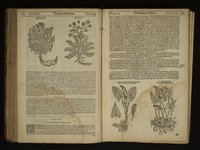
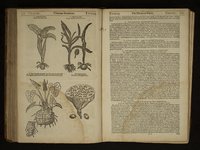
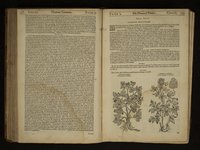
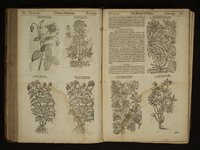
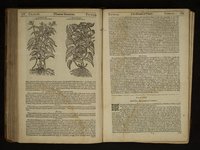
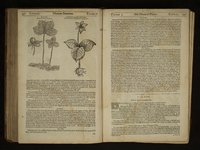
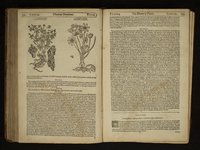
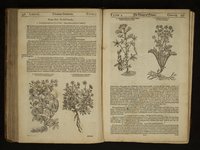
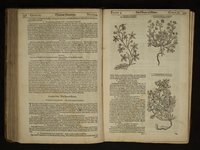
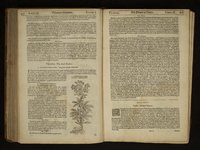
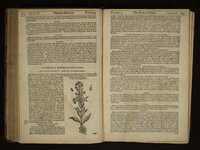
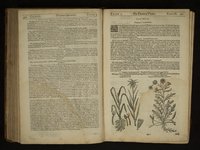
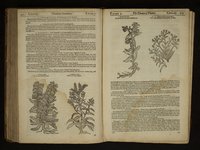
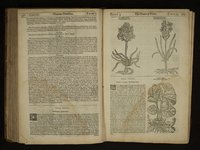
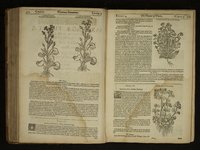
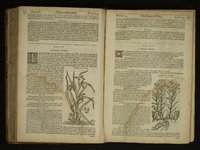
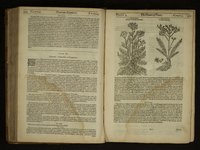
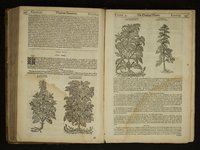
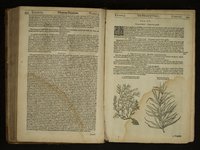
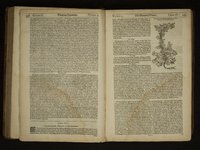
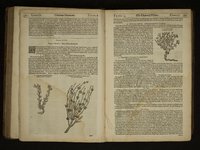
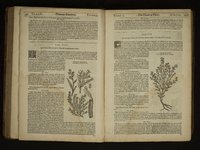
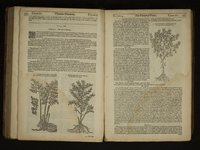
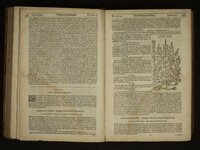
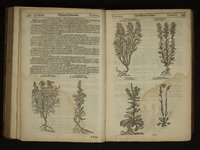
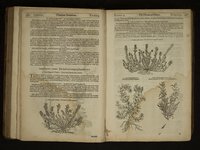
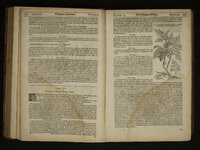
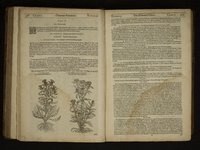
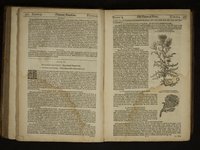
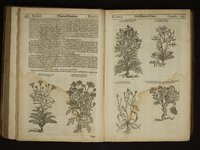
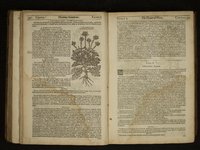
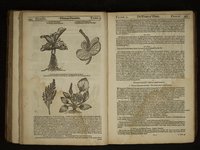
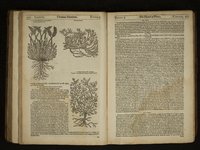
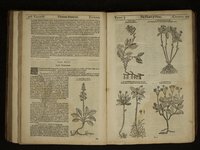
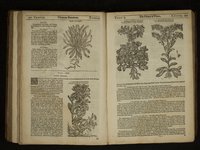
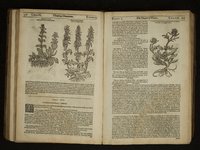
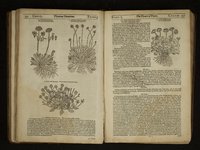
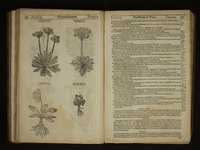
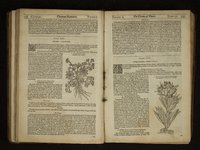
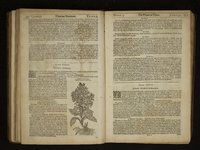
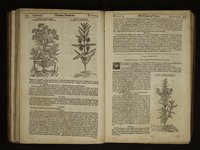
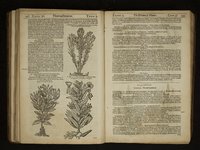
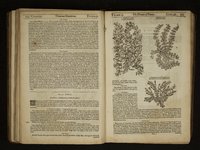
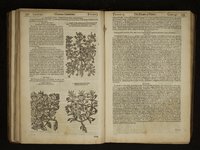
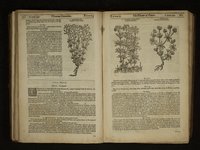
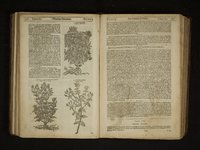
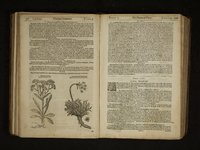
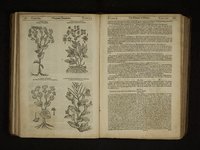
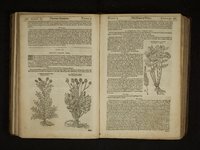
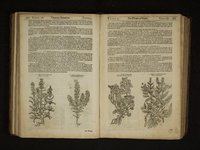
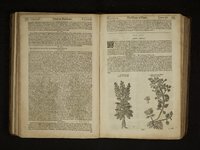
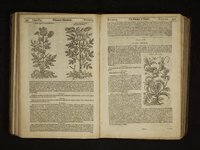
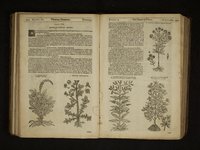
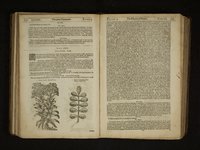
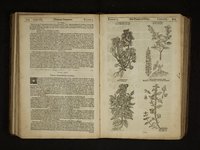
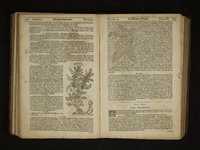
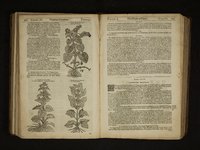
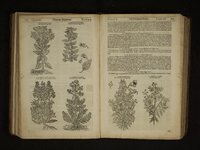
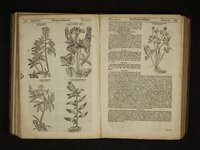
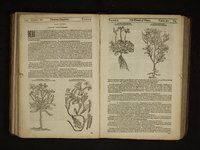
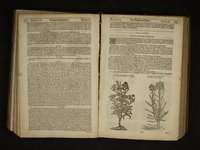
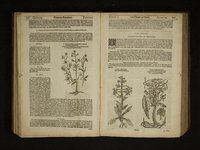
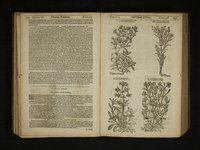
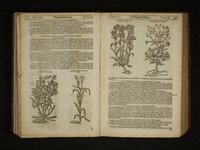
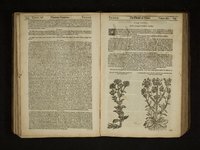
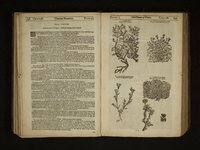
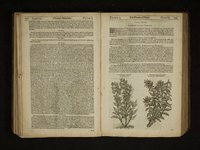
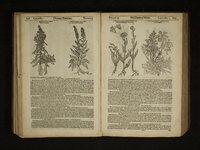
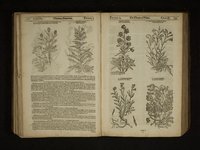
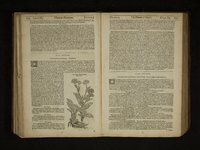
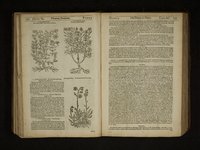
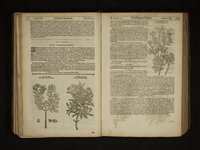
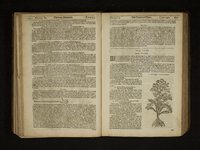
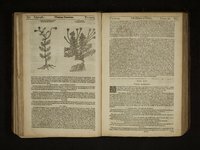
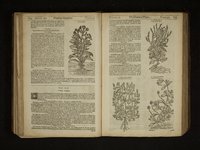
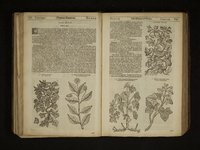
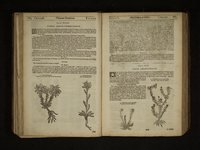
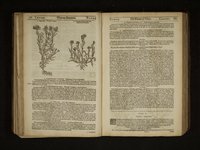
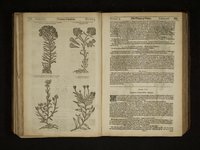
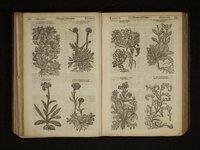
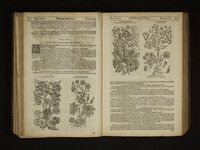
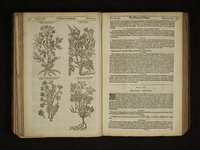
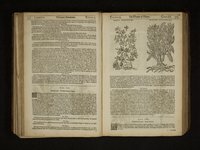
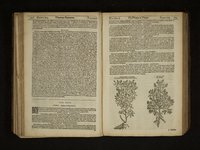
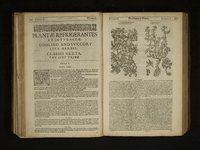
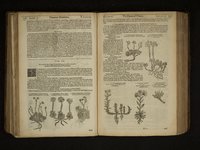
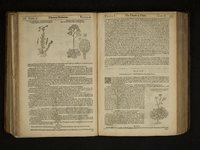
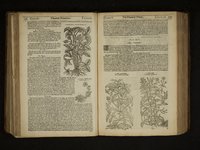
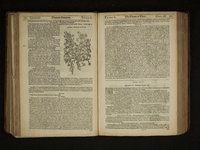
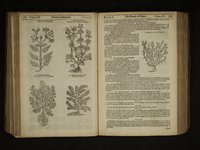
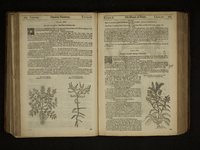
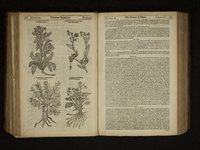
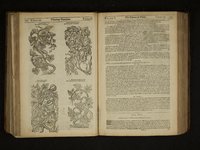
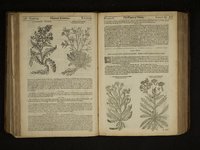
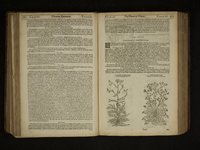
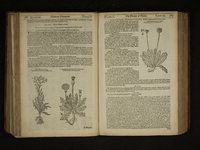
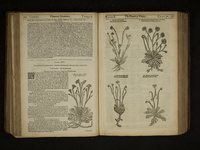
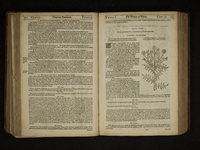
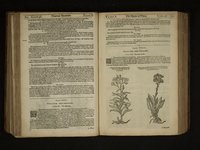
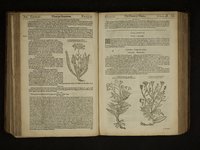
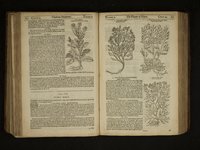
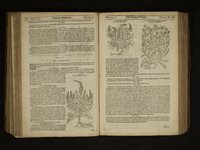
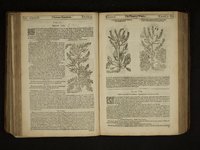
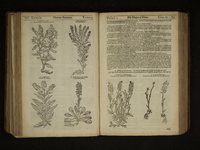
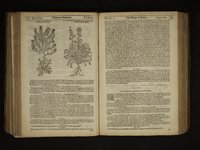
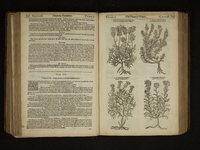
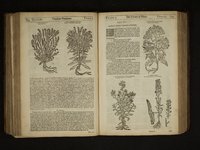
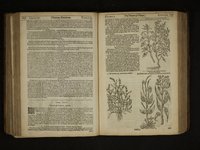
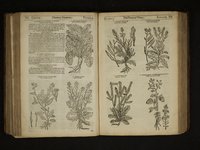
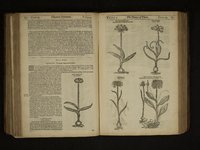
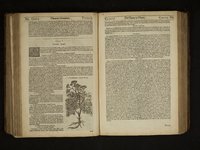
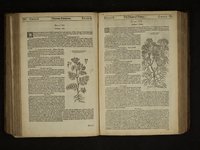
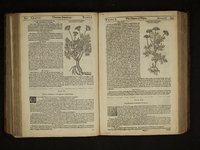
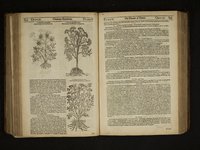
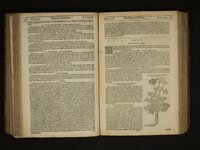
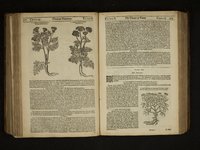
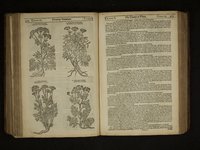
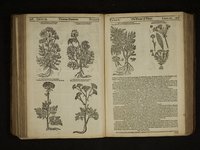
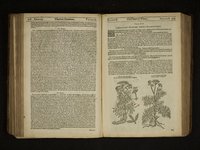
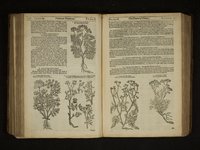
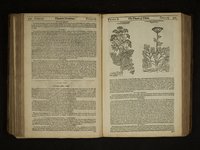
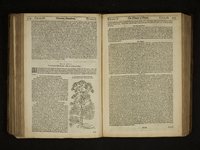
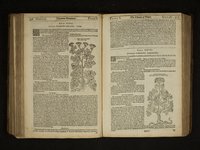
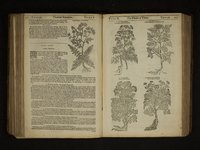
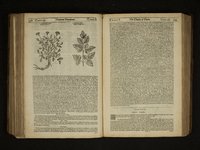
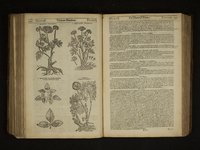
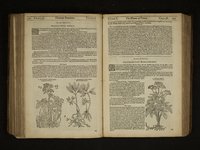
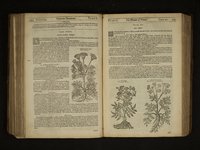
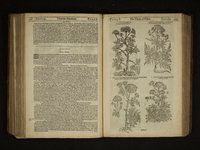
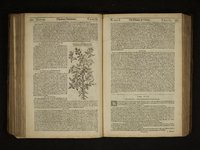
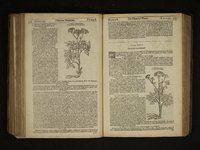
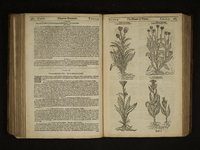
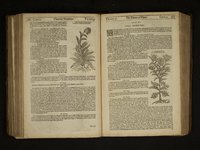
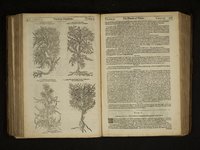
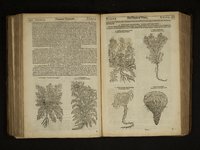
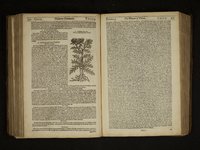
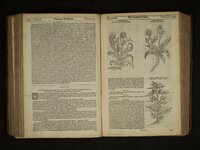
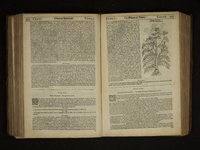
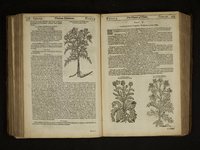
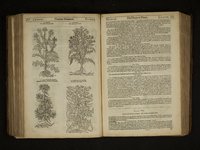
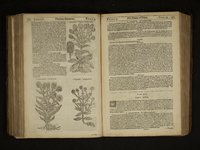
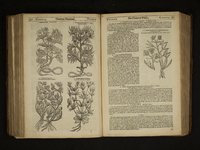
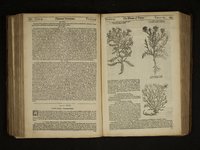
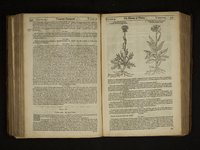
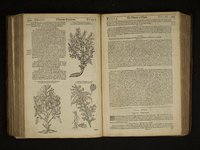
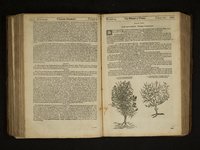
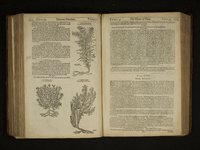
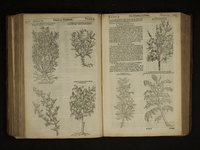
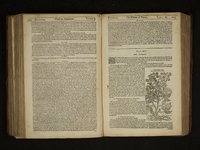
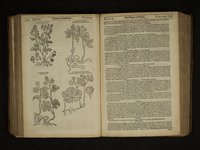
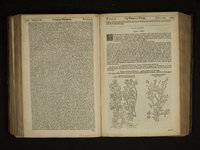
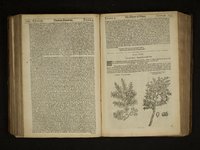
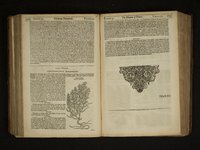
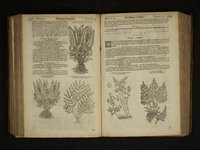
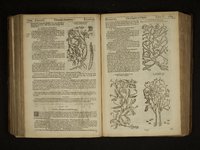
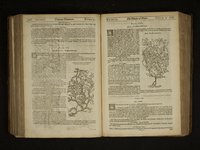
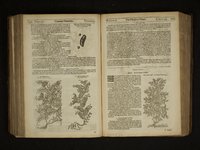
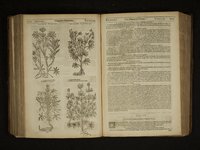
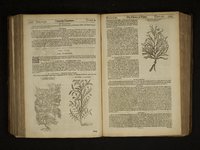
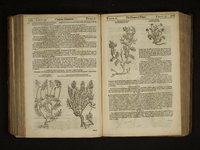
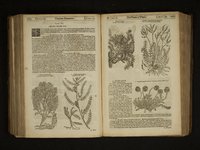
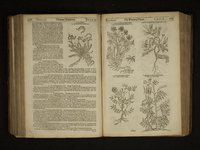
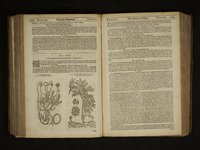
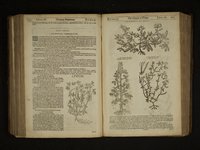
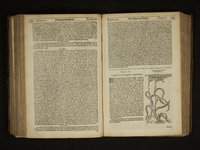
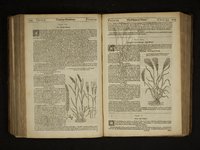
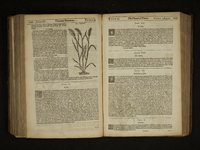
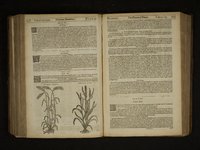
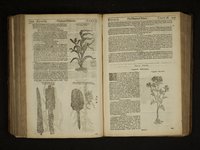
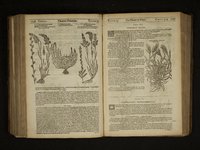
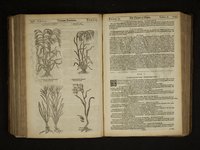
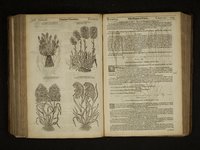
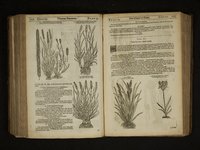
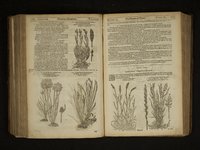
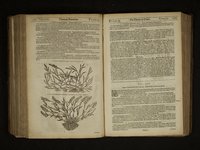
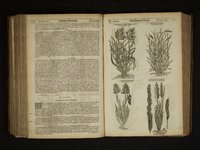
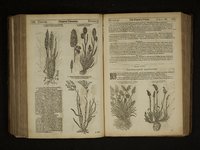
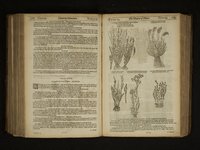
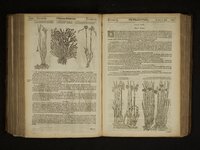
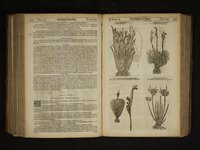
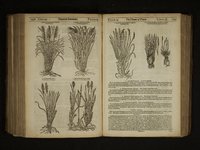
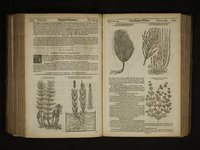
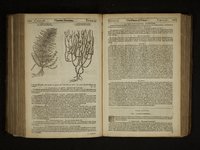
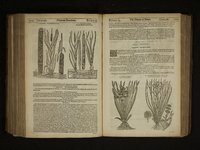
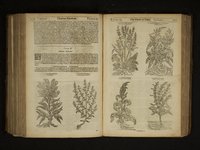
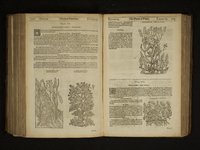
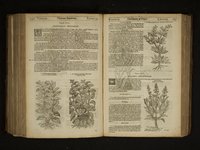
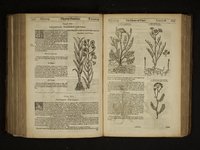
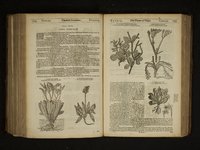
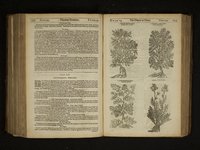
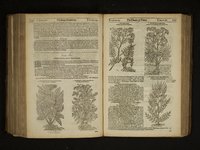
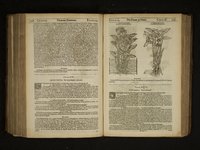
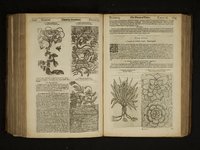
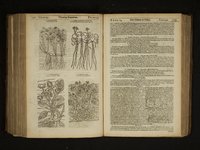
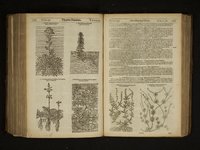
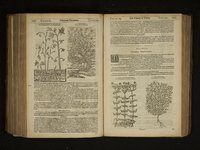
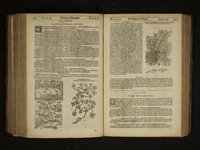
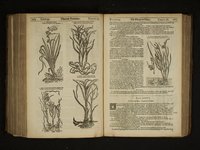
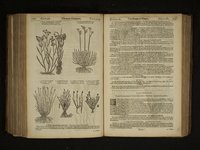
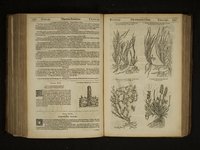
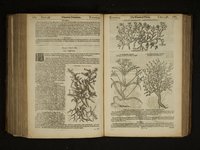
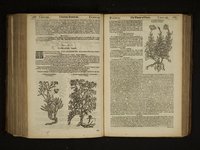
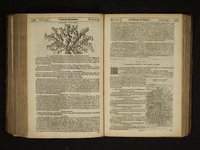
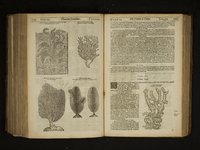
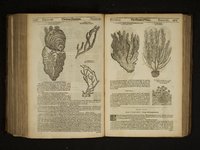
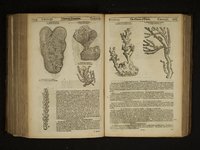
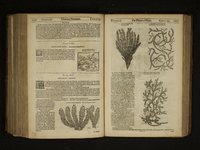
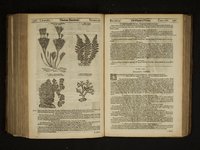
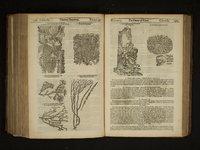
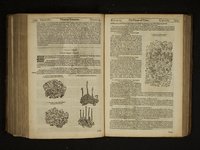
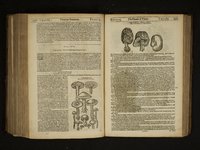
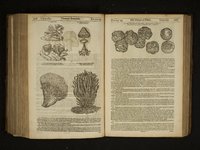
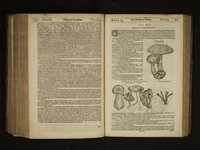
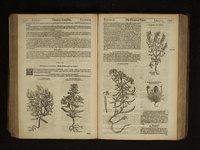
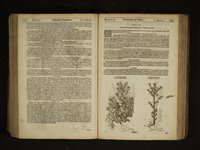
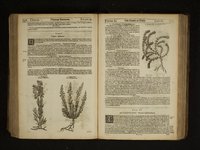
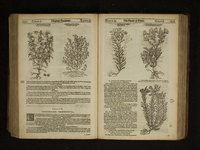
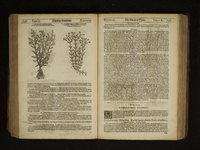
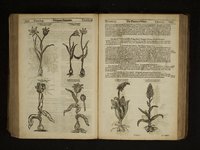
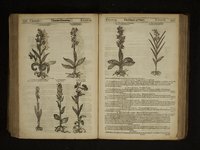
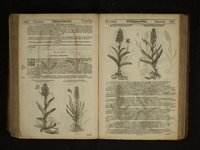
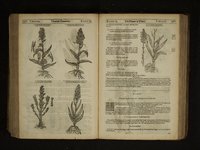
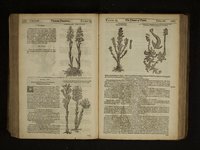
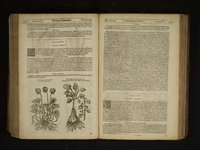
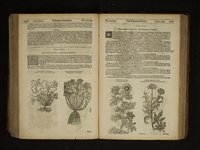
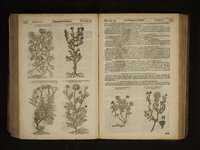
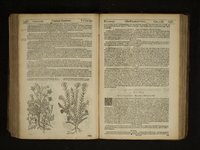
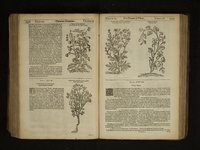
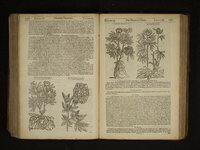
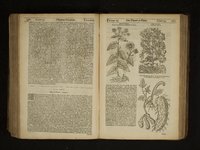
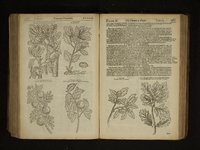
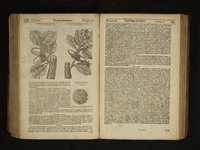
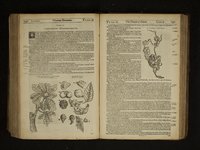
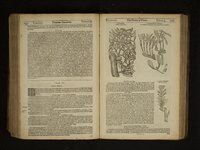
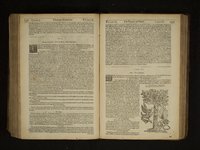
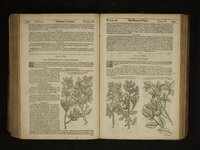
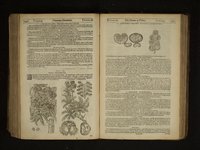
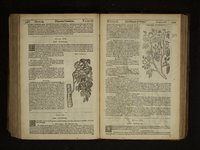
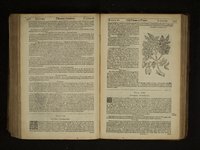
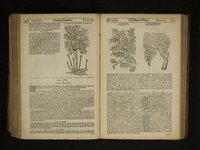
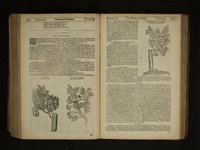
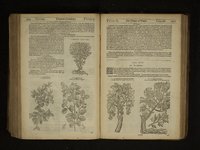
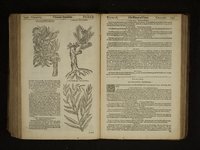
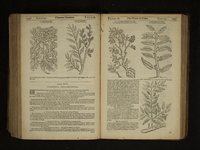
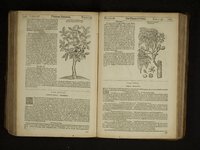
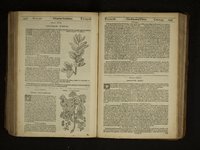
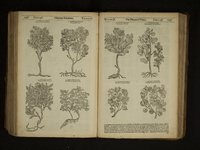
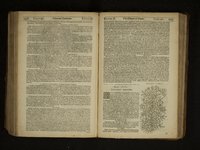
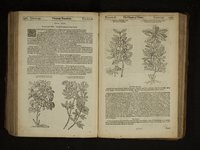
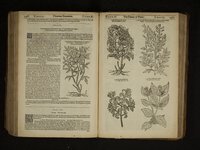
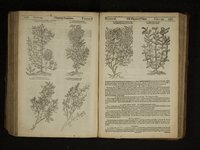
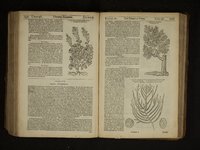
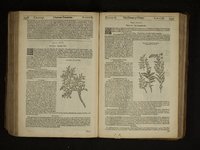
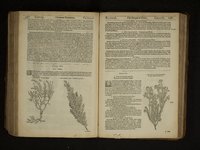
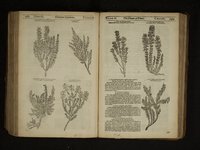
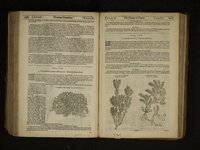
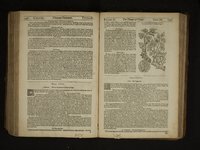
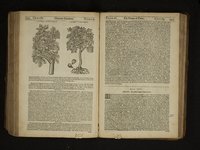
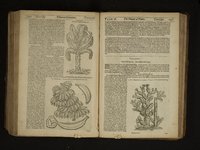
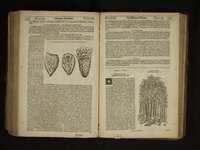
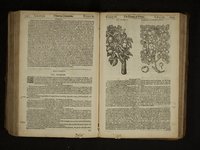
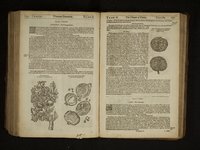
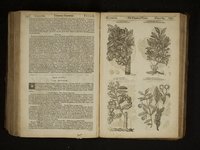
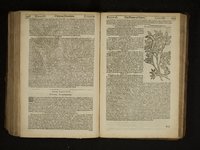
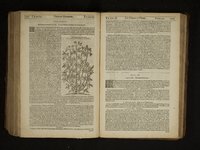
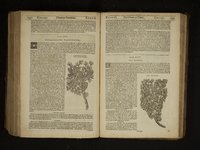
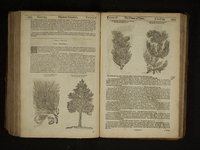
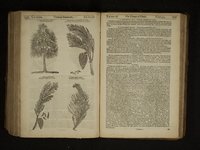
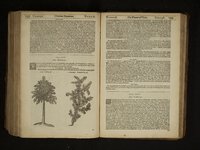
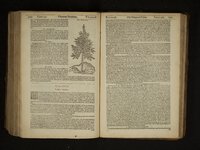
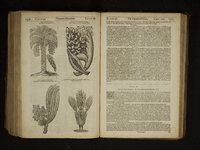
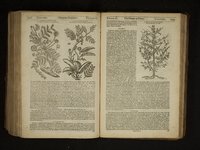
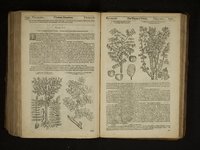
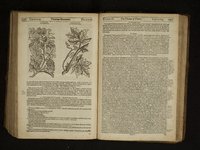
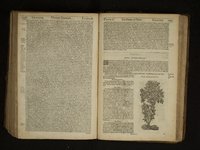
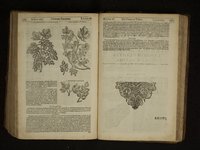
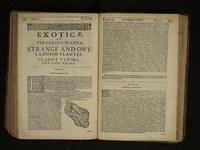
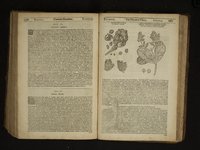
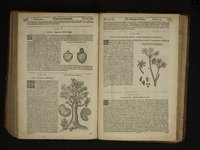
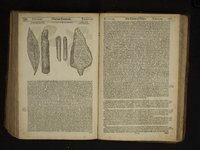
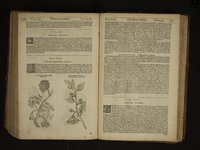
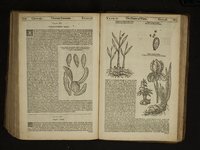
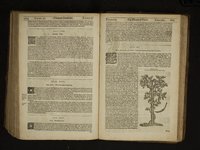
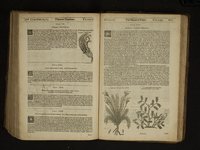
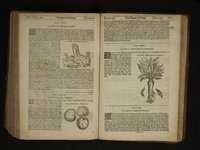
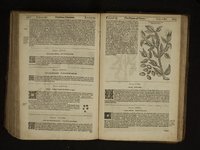
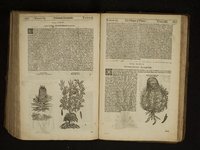
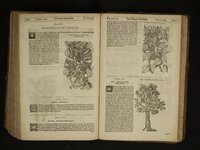
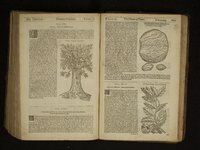
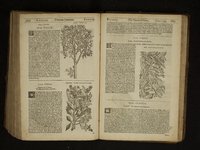
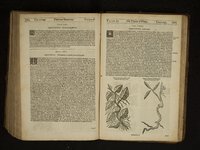
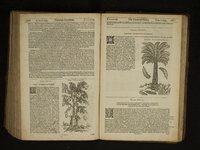
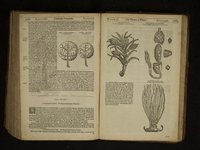
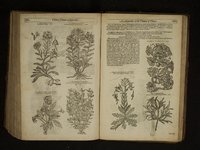
Show “go Cuar.2% Theatrum Botanicum. Tring TRribg.t. 13+ Stechat een Hower Ce ony wih Conde pplarerrneen eneny large fowcrs : underfide, and very woolly, and little dented about the edges : at the toppes of the branches.come forth fomet imes but one, but more often twolong heads togeth er, compofed of many{cales, at the toppes where of {tand the fowers, which arenothing but long threads or thrum s, of an excel- NA)Ae purple colour, as fweet in {cent, as pleafant to the fights \9 (Hatterthe flowersare patt,in thofe {caly heads grow the feedlwrapp ne, which is fomewhat like untothe ed indow Z;\mal Pine Thiftl e feed. |Y WE RY The Place, The firl Gaffidony or Stachas which isufed by Apothecaries and others in Phyfick, groweth in Arabia , as well as in Frauce or Spaine , or upon Mount which Garganke in ttaly, is called in the Italian tongue (Mente The fecon Sanfto Angel d was found in Morera, a place in Caffile o, Spaine, The third is found in manyplaces, both in® Francor e and Spaine promi fcuoufly among the other common forts. The 4, Glufius faithis very raretomeet with, for that he onelyfound natura on the toppe ofthe , The fifth Dalechampits onlyhllathf et forth, withoutCalpe naming the where it grew. The fixtha s Zobel faith groweth in the place Prom no foliatis, i i 71 Cu ar.23. ith long leafed heads. The fourth is called by Clefius Stachas crifpofolio, behaaaae oe Gacepeof Gerard and his Corrector Stachas mutsifida » bur the nn is that Leta multifidofolio, as Clafius givethit,for there are not two Stechades with divided leaves. Lugdunenfis fetteth irdowne for Succudus of Avicen, according to Myconus judgement5 = Englifh oie oc leaves, Thefiftbefides the namein the title, is called by Bauhinus Stachas viridis capitulo oblongo, The fixth is = ledb ' Alpinus lib, de plantis excoticts Rofmarinum Stachadis facie > butbecaufe it doth come nearer to Stethas unk Rofemary in my opinion , I have referred it thereunto, Citrina by The feventh is called Stachar molt Authors , by Lobel Chryfocome , and Coma aurea five Amaranthus luteus by Fuchfus and en and taken by thofe of Afompelier to be the right Chry[ocome of Diofcorides , excepting one fmall word wherein there might bea fault alfo, Ce/alpinus, and Baxhinus entittle it Elichry(um, whereas > ioftorides his Helichry/um, differeth from his Chry/ocome, in having Southernewood like leaves, (Sees Tre! =— chryum vather tothe Milfoiles, as youfhall finde it there among them, Theeighth iscal ed £ = ryfum by = vins Bells, and the other fort thereof, Elichry/um Orientale by Bauhinus, and by Camerarius in Pitomes Stachas Citrina Soha grandioribuse Theninth may beas well the (7hryfocome peregrinafecunda of Clifins,as we quinta Crea tica, forhe faith they arevery like. The tenthis the Stechas Citrina altera, and altera cdora of Lobel, by Clufius Chr focomeperegrina prima,by Lugdunenfis Ageratum alind quorandam,and by Banhinus Elichry{umfylueftre anguftia filiiows capitulis conglobatis. The eleventh Lobel calleth Stechas Citrina altera inodora, and is Clufius his Chryfocome peregrina tertia, which Lugdanenfis fettethdowne ,for Gnaphalivm marinum Dalechampi, and Bauhinns calleth Elichryfonfylveftre flore oblongo. The twelfth Barbinuscalleth Elichry/o/ylueftrs flore oblongofemilis, in Englith it wild mien Caffidony. The thirteenth Alpinus lib. de exoticis plantis, calleth Santulina Cretica , but I, as it isin . title, for the reafon expreffed in the defcription. The laft was fent by Pilliterins from Mompelier; by the : £ Stachas purpurea odorata, who faid it was tobe referred to the Stechas Citrina altera inodora, becanfe itwas vince of France, in Spaine alfo, and nigh the Rhivein Germa. folike:it, but yet oi adiffering fort fiom it : the caufes that make me difcent from that. opinion, whereofI faid elier in France, and Clujin s faith hee Teed likewifeinclofed in the heads among the downe,are like unto the feeds ofthe {mall low Pine Thiftle, which ny, bur lefle fweet : the feventh and eighth in’ Cardy and Spaine likewife : theninth and tenth Lobel fetterh forth to grow about CMomp found them in Spaineand Portugal, the Hills neare Terracinwm in Italy The eleventh Stew on : the 12. was found among the low Skarlet Okes Mountaine Carins neare Afomp and Strauberry trees in the elier : the 13.1n (andy: and thelaft in France. The Time, Althoughdivers ofthefe have beené obferyed to bee in flowerin March and Aprill , according to the climate where 14. Stechys purpurea edorata. oweete purple Cafficony, is The Theater ofPlants. they grow naturall,yer in our Gardens ofthefe more Northerly countries,the former three fortsflower hot untill May or Iune, and the ret flower not unull Aueutt for the moft part, iftthey doe abide, for they are all ofthem very tender, and muft bee kept with great careand looking to, The Names, It is called’ cose ‘in Greeke, and Stechas in Latine, and moft com- monly Stichados by the Apothecaries, and Ste-’ chas Arabica, becanfe the belt was brought aa out ofArabia. Diofton a rides faith it tooke the ‘ Mandscalled Stechades wherei haine Stechas from the t groweth, which are over-aga from the Sea, and thofe Hands doe lye intt AZ,arfelles, yer Marfellesis two neare unto the Country of Osbia. dayes journey Galen faithit croweth j and as well in Candy, as the Mands 7 Stechades, in Englith it is called Sticadove, Cudsantaad Pe but the Stechas Citrinais fo called ale upon as ofthe forme of leavesand heads : itis the correfpondencyand likeneffe ofthe properties and temperature 44 alfocalled Coma aurea, Chryfocome, and it confirfed in the figures of thetwo chapters Tinearia. Old Gerard ae os of E. lichryfum,and Stechas Citrina, or (1hryfo come. For his pis . al 13 Matth iolus his Elichryfum verum his Stratiores Millefolia flore Luteo , and his Stechas Citrina AAatthiolus his Elichry/ums Itali cum + his Cryfocome, or Amaranthus luteus, is Stechas Citrina wileap which i Clbs ius tous Galeni,is Stachas Citrina is : higtes io altera alfo they have diversnames as goldeodorata of Lobel » the defcription of moft are according toLob n Tufts,Goldilocks, Golden el if Enolifh flower, thefe plants, then by the others. Thegentle Golden fower of life ah rll sth #04, Or Stechas by Aatthiolus, firth is called Stechas purpurea ai Pita the fecond Bazhinus onely menti s oneth, Clufiwscalle igulis, and Caffidony, by which [rather entitle Lobel Stachas nudes canliculis (ummi th s, Lugdunenfis Stachas Capitulis foliat the third Stechas Wbiorbies es, and Bawhinys Stachas cani= cutis fomething before in the defcription, I willhere fet downe: by the defcription youfinde ithath a fealy head , and urple thrummesrifing in the midft ofit, which is the flower(andfuch have the flowersof all the Tateas) and the arelike the feeds of other Thiftles, thatis flat, hard, and fhining, and fuch are moft of the feeds of the ae es and fome others : but none ofthe Stechades have thrurmesfor their lowers, and noneof the ‘les Stachades purpurea, or Citrine, have fach like feeds, and thefe two things caufe me tothinkeit fitter to be referred tothe Paceas whereunto it is like both inflower and feed. Thereisa controverfie berweene ALolinens the Authorof the great Herball named Lugdunenfis, and Pena and Lobel which fhould be the true Ghry/ocome ofDiofcorides. Lobeland Pena intheir Adver/aria, ftriving to make Stechas Cstrina vulgaris, called Coma aurea, and of fome Tisnearia and Ama vanthus lutews, and taken ofDodoweus to be Eliochryfon ofTheophraftus, and Ageratum ofsipeta to bee the true Chryfocome of Diofeorides:and Molinexs, in folio 780. contradicting and confating them. Lobel and _ . the defcription ofStechas Citrina, fay that the golden yellow toppeor head oftufted flowers thereof hath caufed the nameof Chryfacome, which our age could nothitherto know,in wanting the knowledge ofthe true ae rsd whofe tufted toppes it was by Dio/carides compared: but nowthat the true Hifope is declared andfet fort wyhic they make to be he Winter or Por-Marjerome ofour Country, as I have fhewed youn the firft Chapter of this Booke) with whofetufted toppes or umbell of flowers, they compared the flowers ofthe yellow —, they are perfwaded thatthe Stachas (itrina isthe true (bry/ocome ofDio/corides, but yet afterwards they ey hig oné word or two in Diofcorides defcription of Chryfocome doth hinder it, and that is that the rootes of C ee (faith D iofcorides ) are {mall like unto the rootes ofBlack Hellebor, and the tafe thereof refembling Cyperus, of a fweet,butauftere tafte,for which they think there may be fomefault in the text ofDiofcorides.Thus you fee the {cope anddrift oftheir reafons to be, that becaufe few did know what hearb wasthe true Chry/ocome of‘Diofeorides(who cOpared the tufted heads offowersthereof unto roe thatthereby it was manifeft,that our Hifope not having anytufted heador unbell offlowers, bura {piked head was not the true Hifope of Dio/corides, and an having fhewed what wasthe true Hifope, wonldalfo declare thisyellow Caffidony, whofe tuftedhead of lowers is like unto that oftheir Hifope, to be the true Chry/ecome of Diofcorides : Vnto all which allegations a thus.anfwereth. Thatfirft he would examine whether our ordinary Hifope be thetrue Hifope of Diofcorides, and whatpart thereofis compared or referred to the (hry/ocome, and then whether this Stechas Citrina bee the true of no. Thereare faith he, twoforts of Hifope well knowne tous, the one tame,orof the garden, witha {pikeof blue flowers, which is the morebitter : and the other wilde witha red flower,whichis leffe bitter. con they that de. nyeither of thefe to be the true Hifope ofD io/corides, are led by this reafon ; that the leaves o each of them are long and narrow,notlike unto any of tx kindesofOriganum, which are round, and by Diofcorides comparedto theleaves ofMarjerome, Pennyroyall, and Dittany, This faith he,hath troubled many that did not knowa third Kind, (which is the round leafed Hifope (declared in thefirft Chapter of Hifope) fet forth by him, and like the other twoforts, but that the leaves are round like unto Origanum or Marjerome. If this kinde of Hifope had beene Knowneto them,they would not havecalled for an hearb outofEngland,to fupply the place of the right Hifope, feeingit hath a place of it owne, even amongtheforts ofwild Origanum or Marjerome, whereuntoitis like, but fomewhat altered by manuring fromthat which iscommon, Butthis their Hifope or Pot-Marjerome hath no corymbitufts or umbells, they are rather a heape offlowers gathered together,as the wild Origanum or Marjerome hath, for no man did ever attribute any fuch headsortufts as are called corymbi, unto anyof them. This knot being untied, it followeth (faith he) that we try whether the Stechas Citrina be Chryfocome. In this their plane thereisno likeneffe of leaves,ofneither of the forts of Hifope to bee feene, to wit, either ofthe long or of the round leafed fort, befides the bufhy toppe of leaves andftalkes ofAowers of this Stechas Citrinaloofely fet together,is nota clofe tuft ofheads,{uch as Corgmbus (whichis a clofeumbell or tuft of heads orfeeds, fiuch as the Ivie hath) is ufually faid tobee, butare onelyafew yellow golden round fhining bullets, or heads at the toppes: the roote alfo thereof hath nothicke and {mall ftrings as Helleborns niger hath ; noris like to Cyperus, nor hath an auftere fweet tafte, all which Chry/ocome hath : He therefore (I meanetheforefaid Molinaus ) faith that hee hathoften in — ving thefe doubts,fuggefted to thofe Herbarifts that have knowledge inplants , that hearbe which the French ea Targon,and fomein Latine Zargun , Tarchon,Tragum, and Dracohortenfis , in Englifh Tarragon, and a |