| OCR Text |
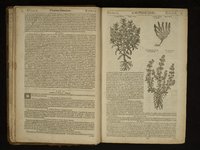
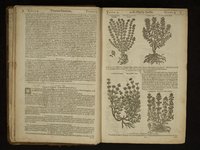
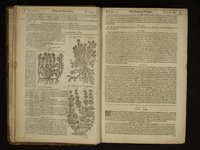
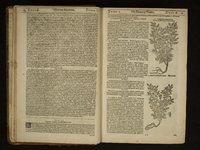
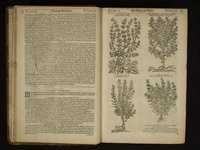
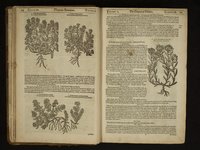
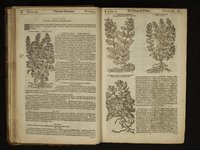
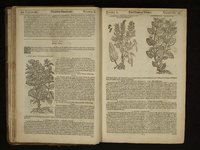
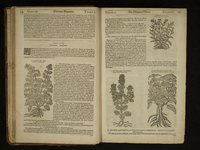
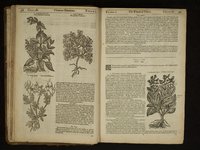
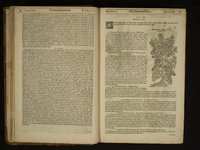
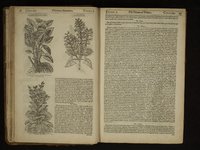
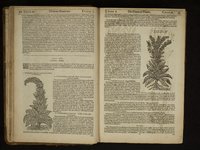
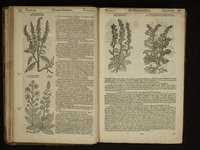
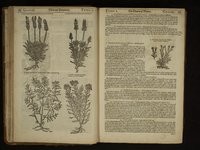
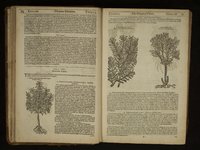
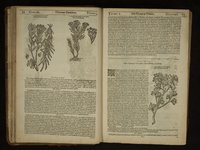
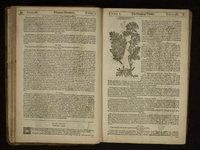
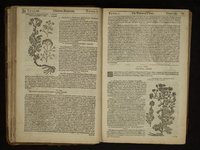
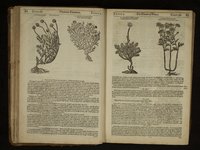
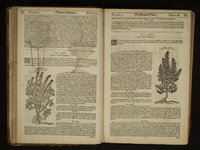
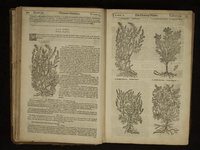
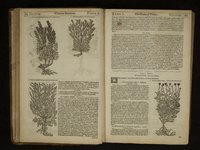
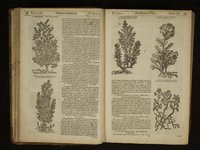
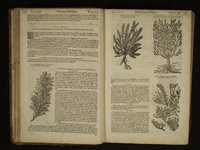
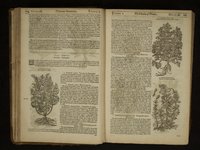
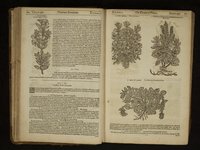
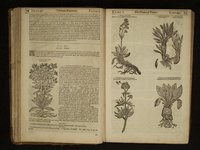
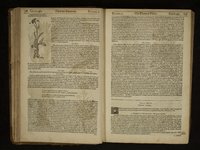
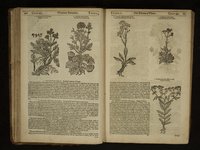
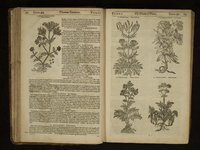
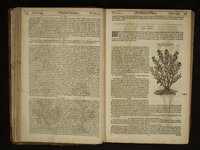
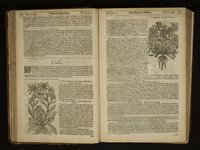
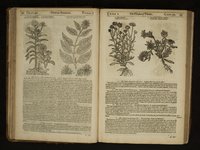
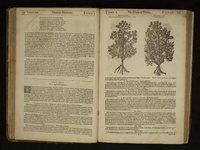
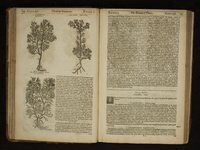
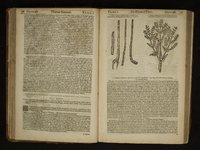
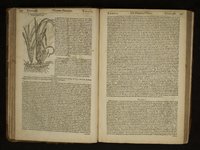
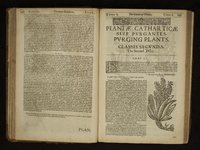
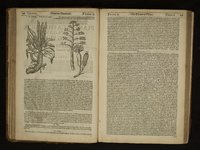
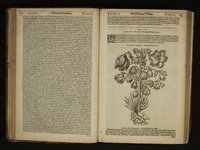
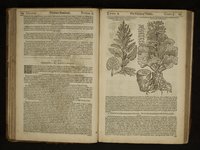
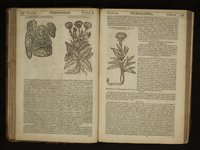
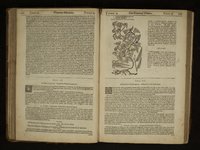
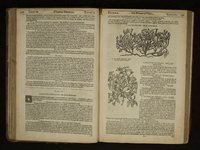
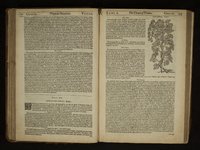
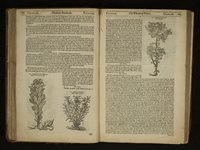
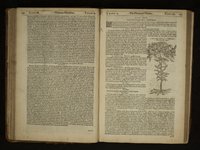
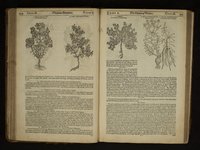
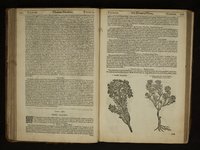
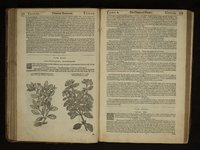
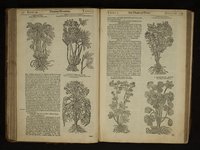
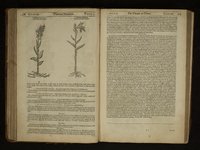
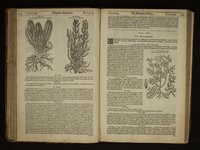
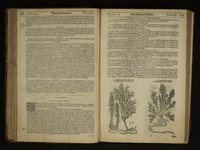
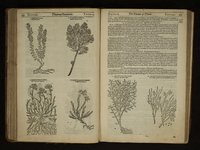
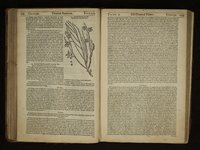
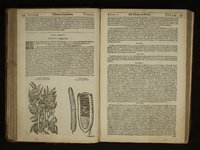
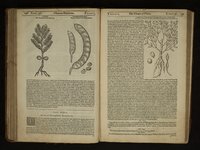
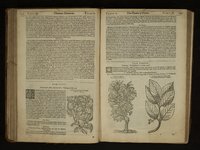
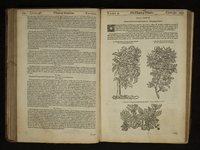
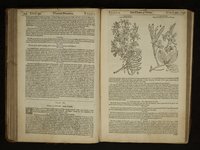
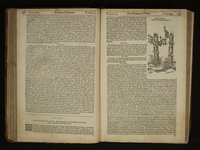
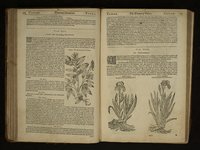
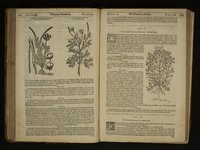
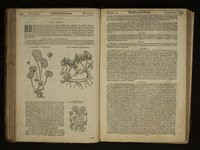
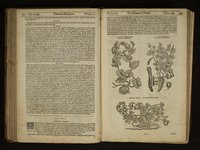
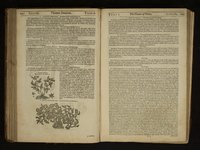
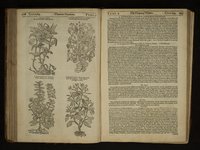
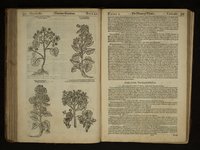
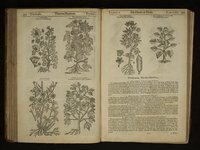
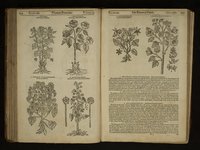
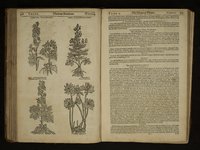
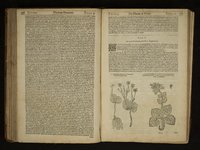
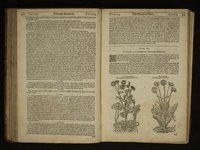
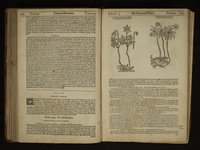
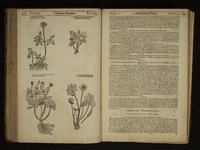
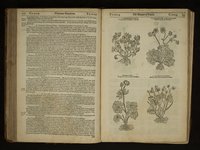
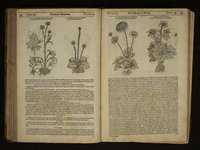
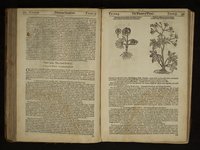
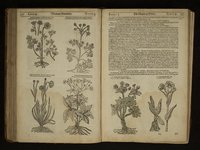
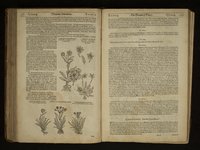
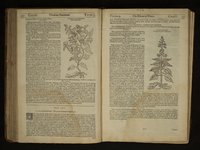
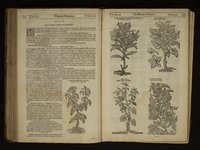
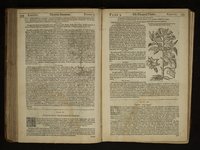
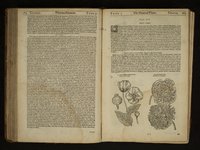
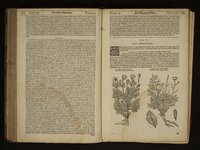
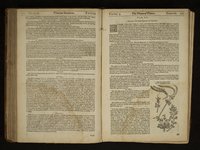
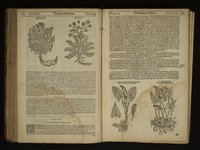
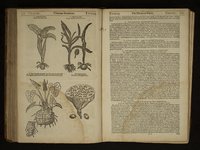
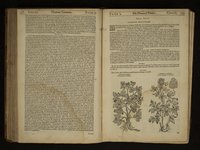
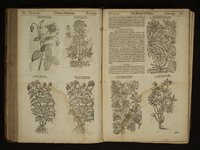
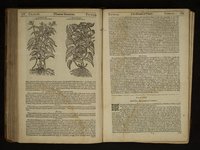
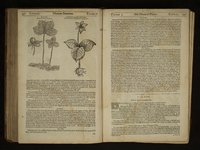
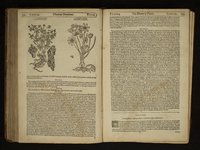
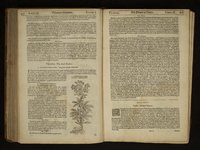
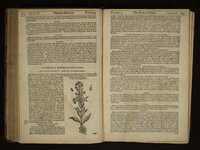
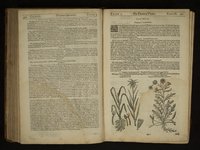
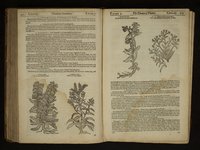
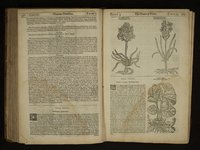
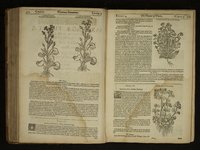
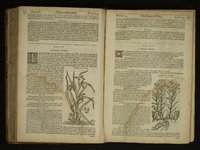
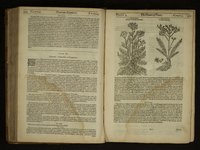
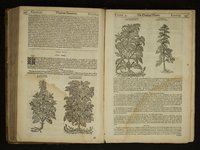
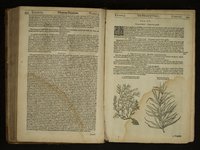
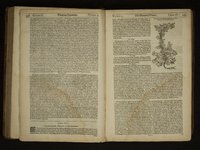
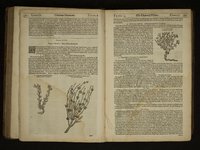
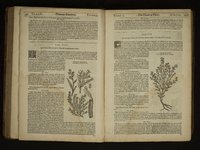
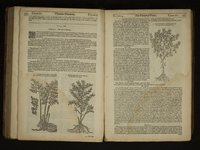
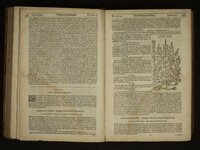
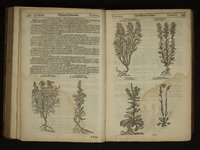
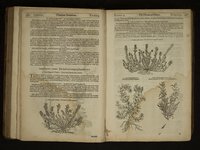
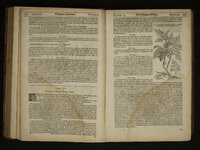
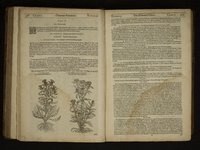
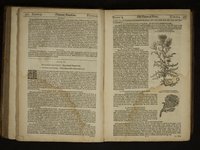
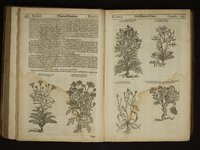
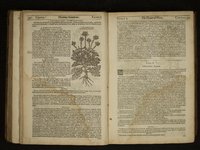
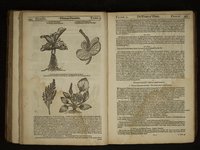
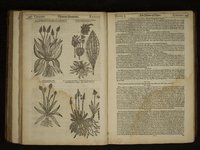
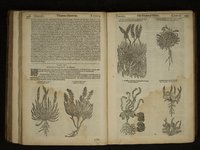
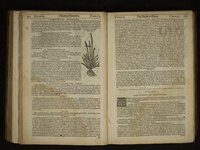
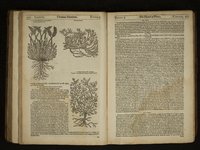
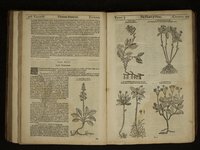
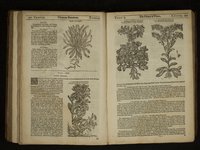
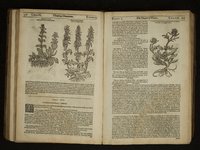
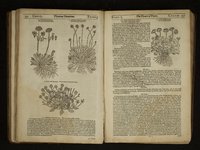
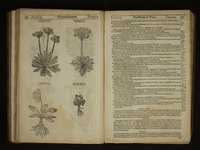
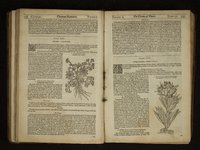
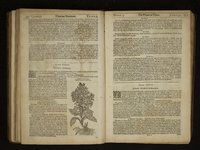
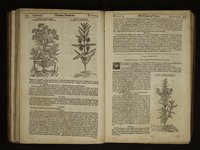
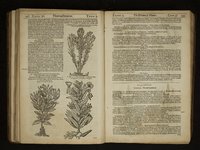
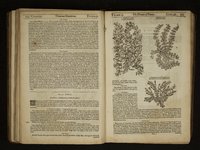
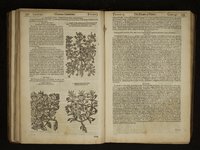
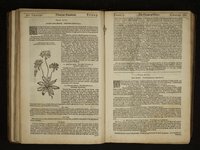
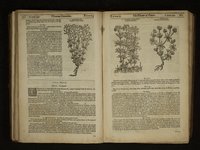
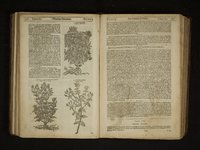
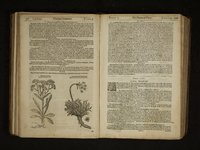
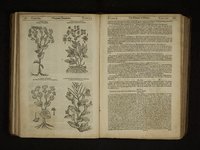
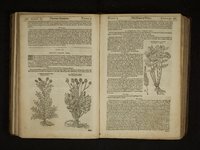
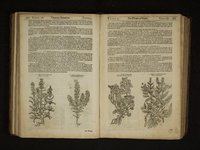
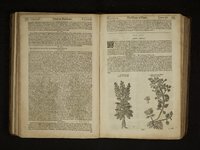
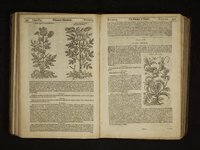
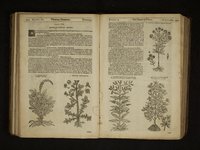
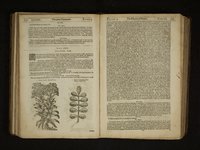
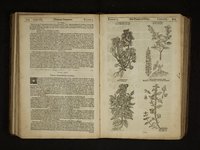
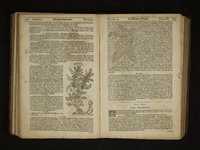
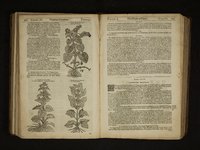
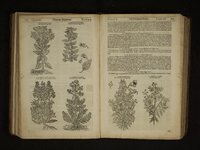
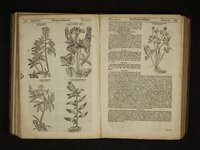
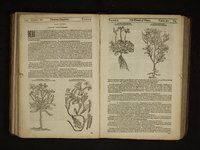
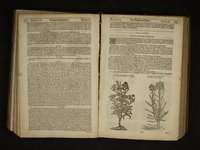
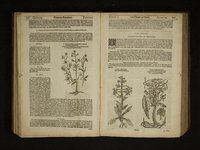
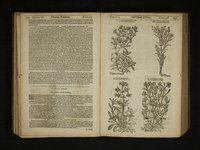
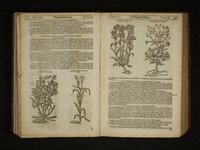
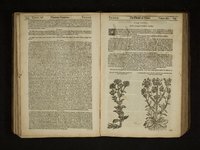
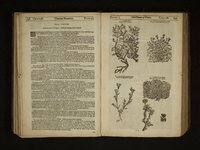
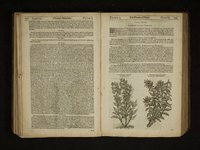
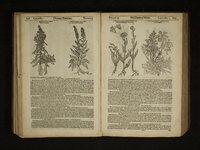
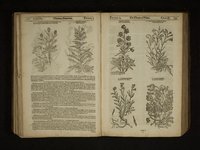
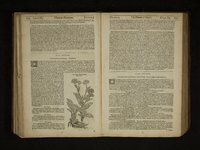
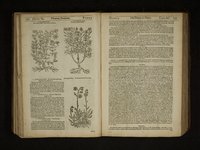
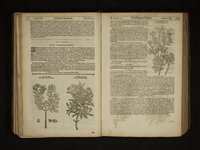
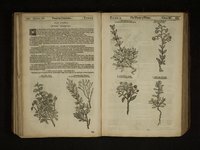
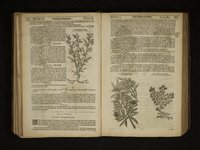
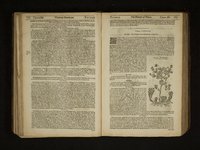
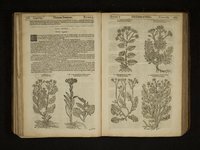
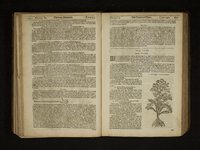
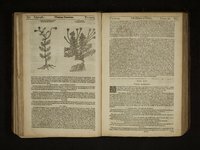
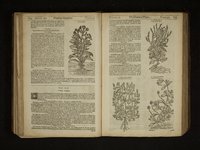
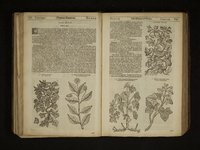
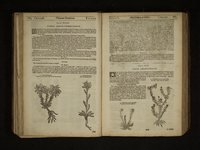
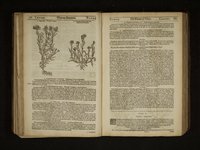
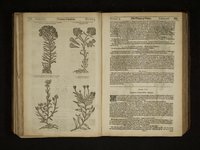
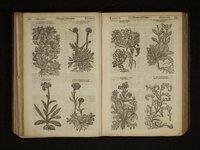
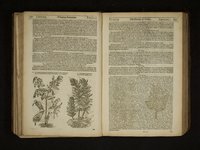
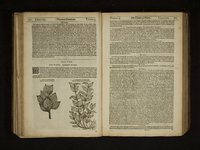
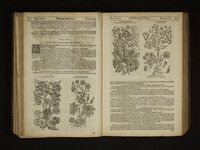
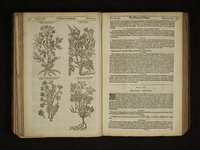
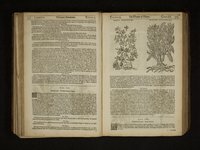
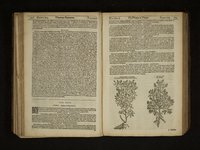
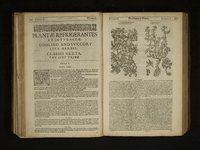
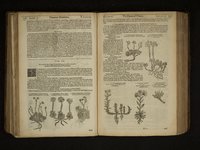
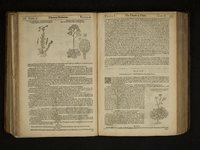
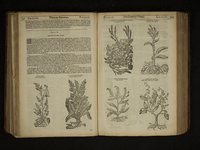
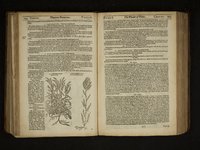
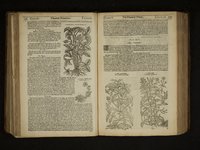
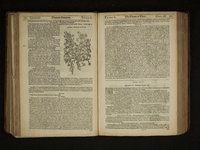
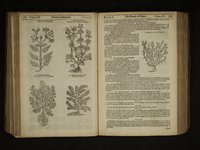
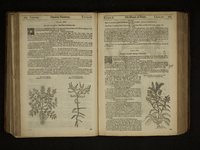
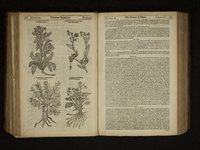
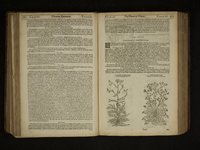
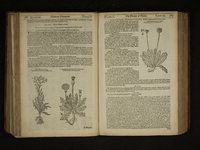
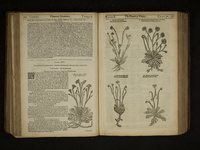
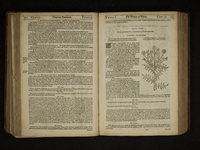
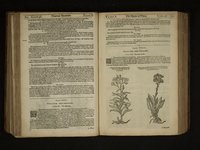
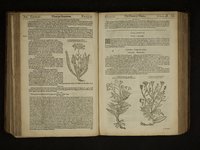
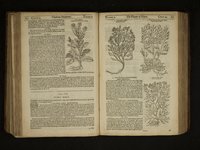
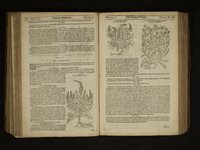
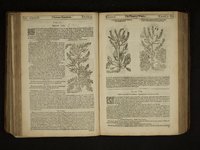
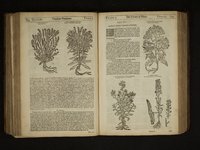
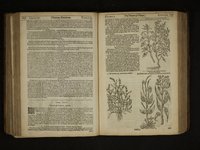
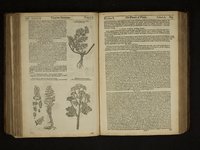
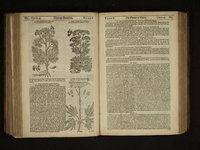
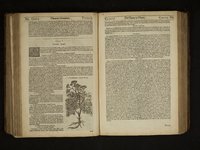
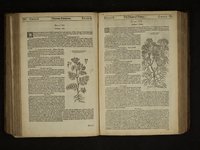
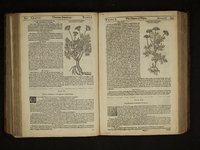
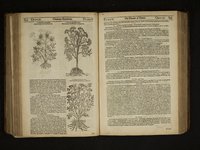
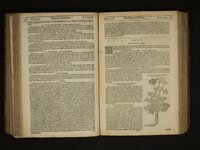
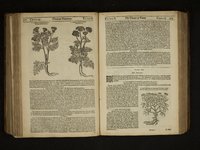
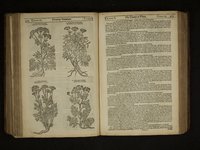
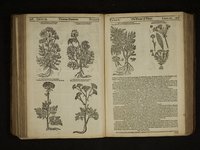
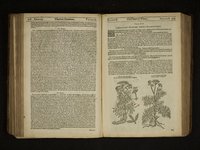
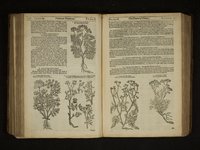
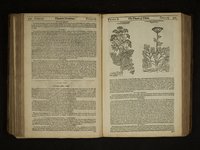
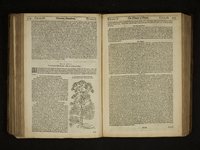
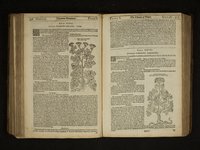
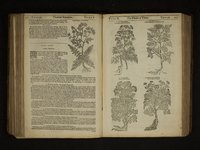
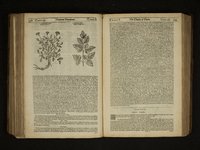
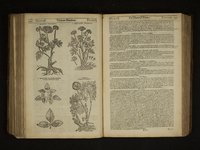
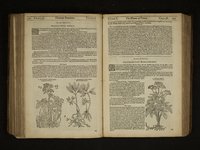
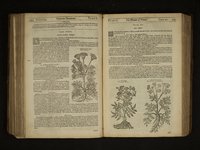
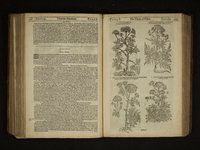
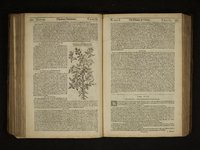
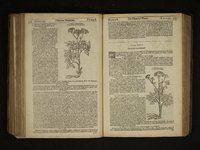
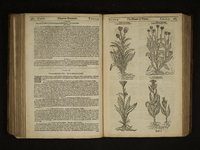
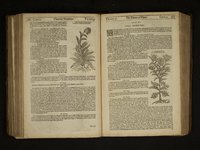
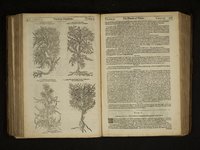
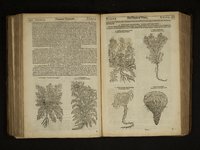
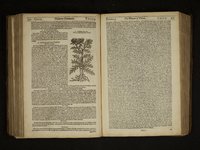
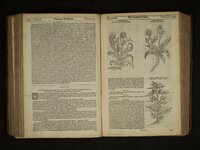
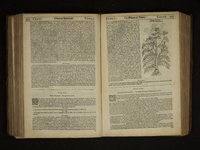
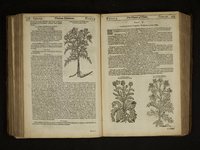
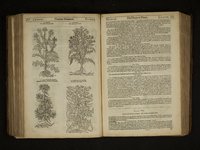
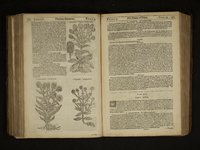
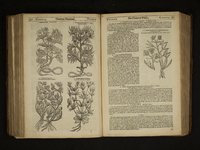
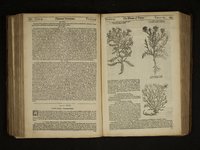
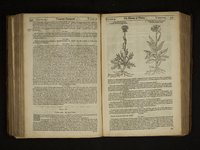
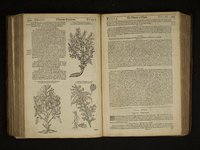
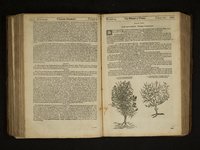
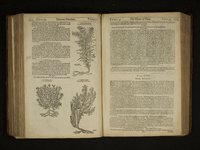
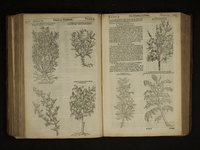
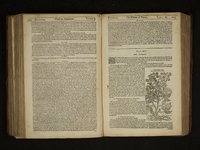
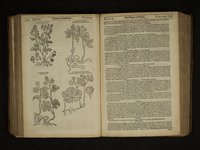
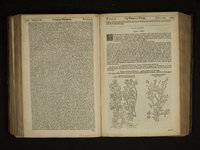
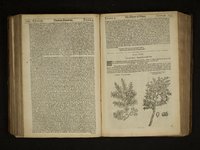
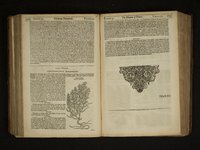
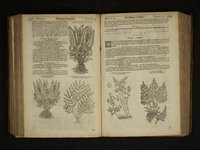
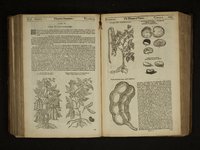
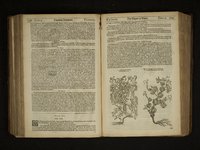
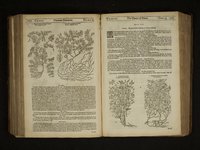
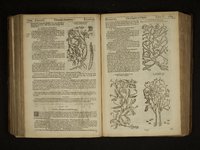
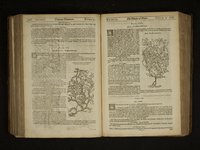
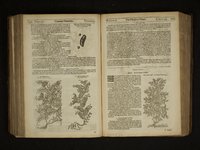
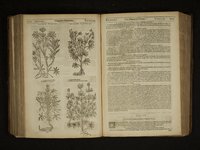
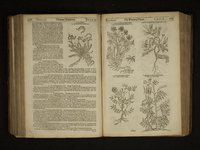
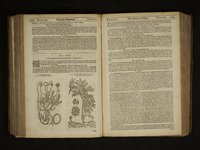
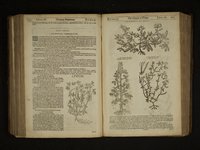
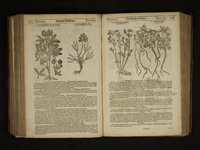
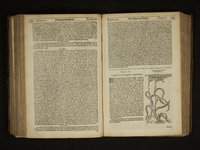
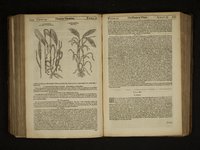
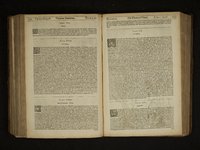
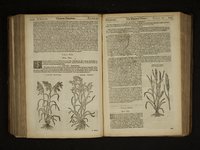
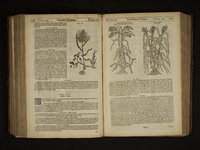
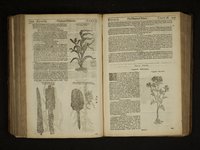
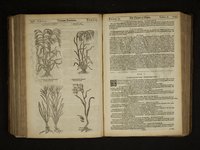
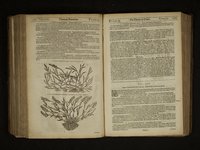
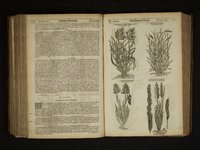
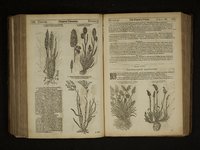
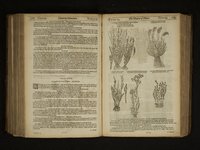
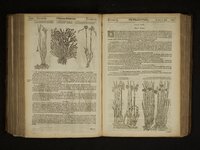
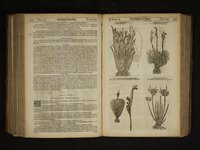
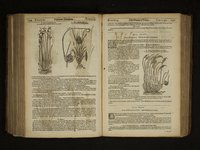
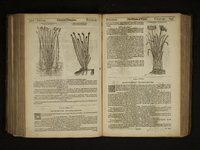
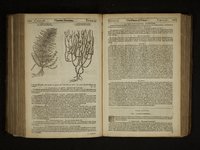
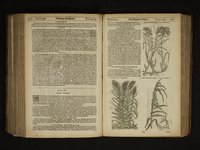
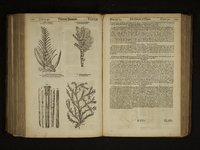
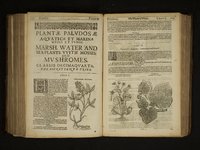
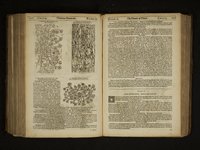
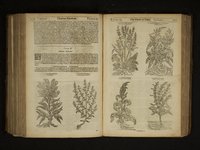
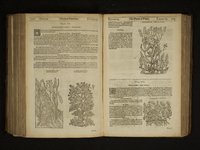
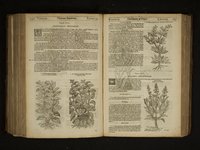
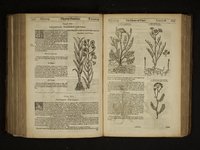
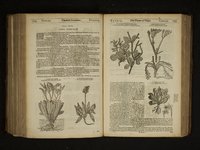
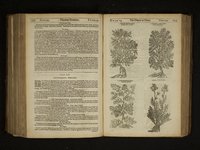
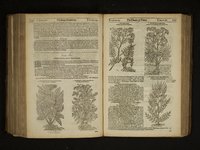
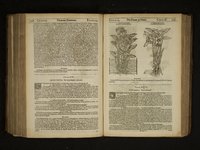
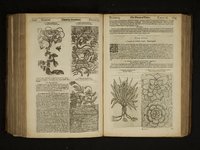
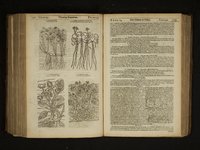
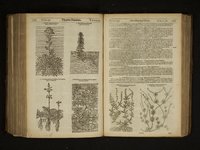
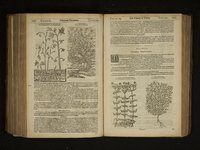
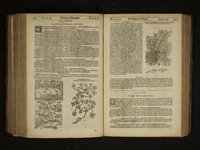
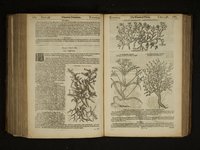
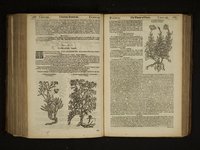
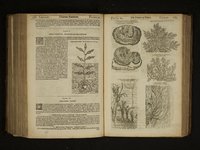
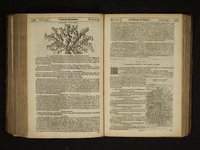
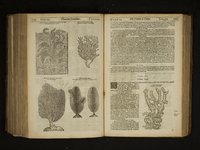
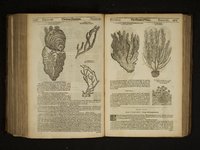
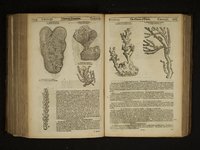
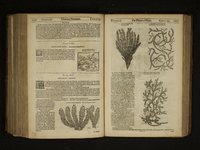
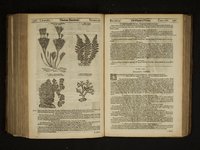
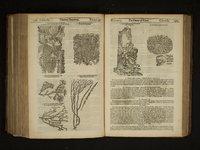
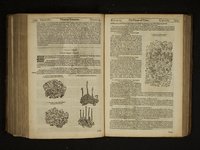
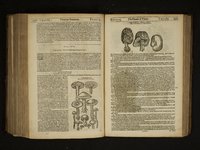
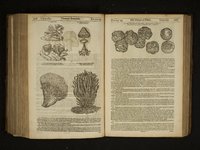
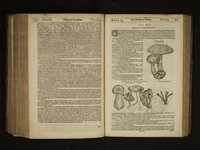
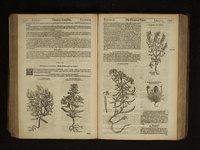
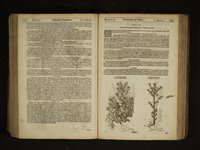
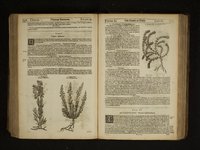
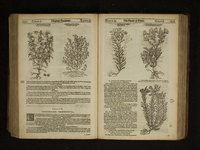
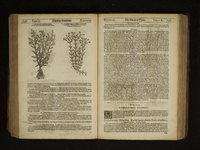
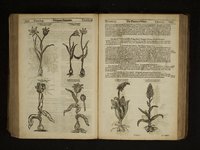
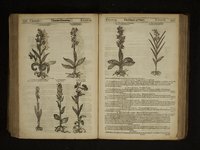
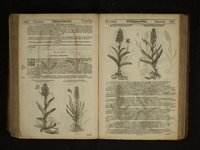
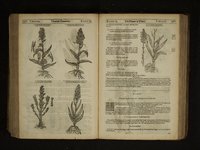
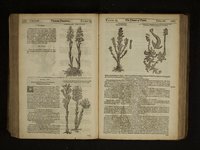
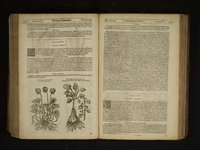
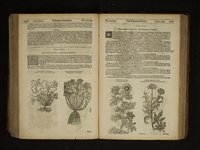
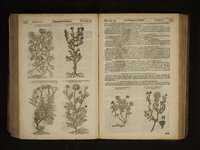
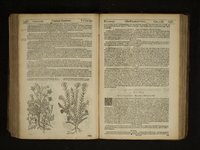
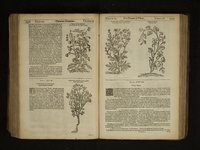
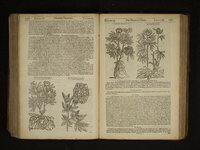
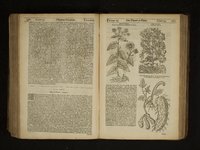
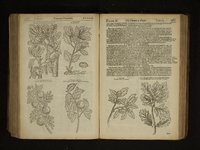
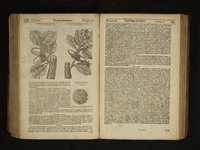
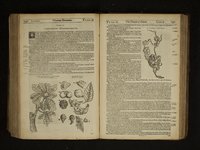
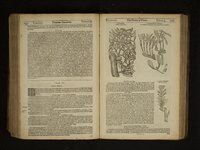
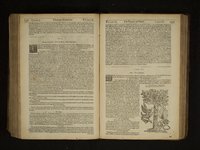
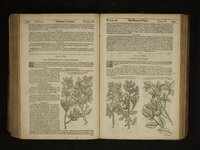
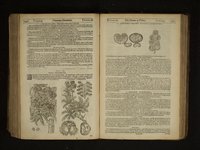
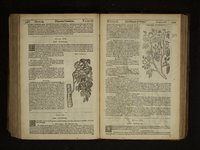
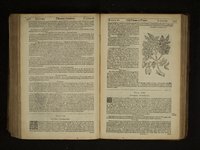
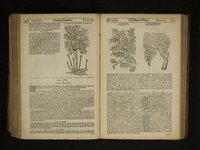
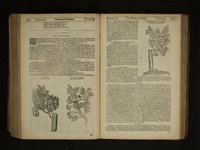
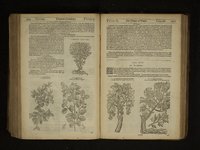
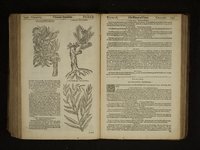
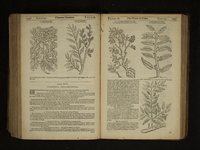
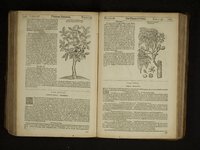
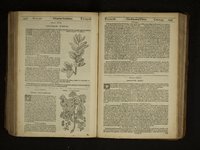
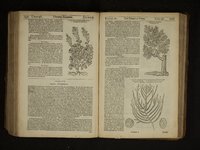
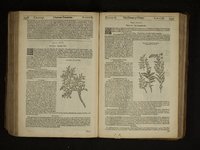
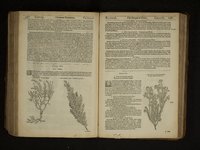
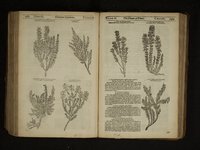
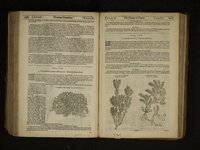
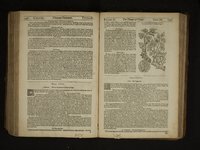
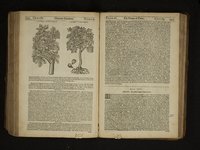
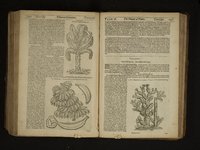
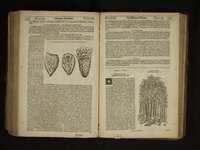
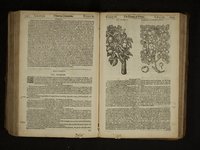
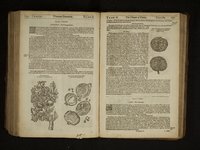
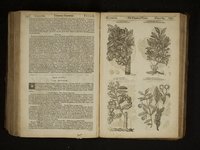
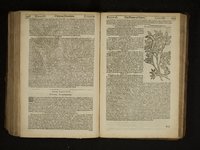
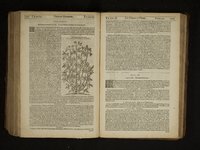
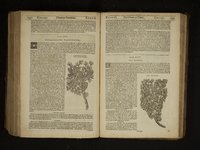
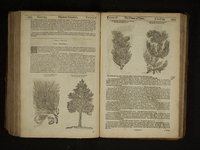
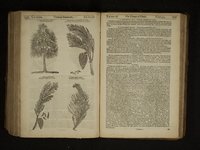
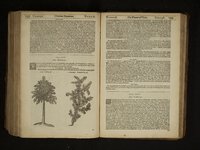
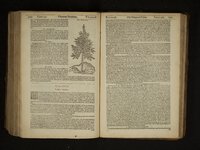
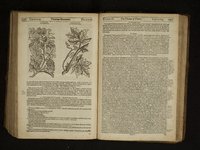
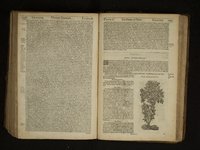
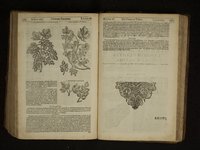
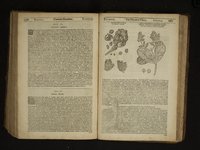
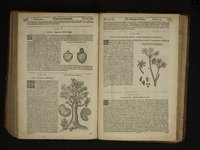
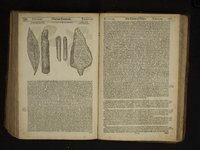
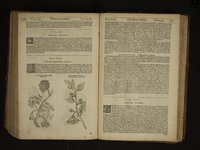
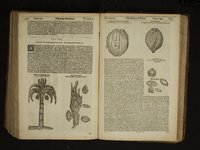
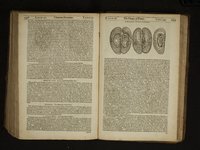
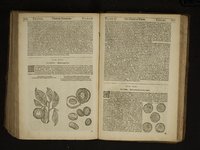
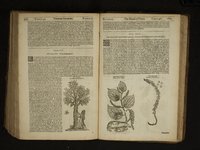
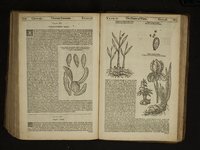
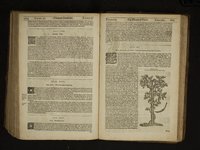
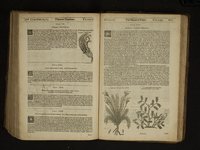
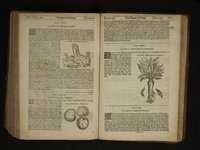
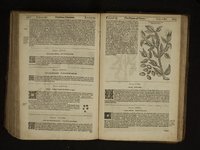
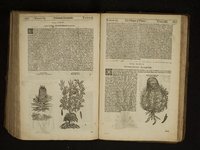
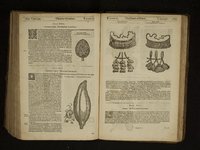
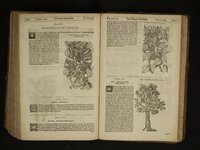
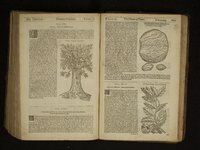
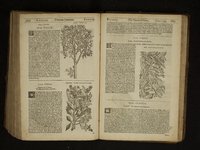
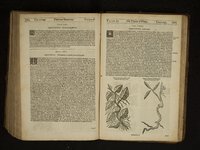
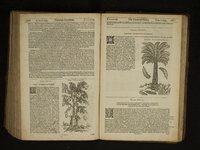
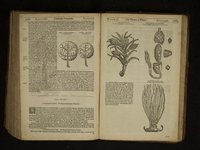
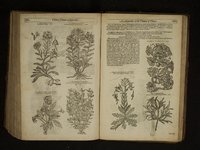
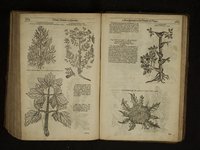
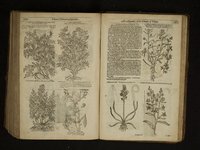
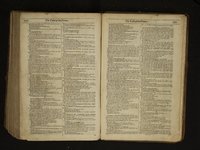
Show Cuap.i13. Theatrum Botanicum. The Theater ofPlants. TR 188.3. unto (lufins, Imperatus alfo it is likely ‘had it from thence, bythe fame name of Dorycninm, for fo Bauhinus faith,he calledit, and Alpinws in his booke de planrisexoticis, faith thatthey of Candy doe call it Dorycnium. Yer Pona doth not accountit to be the right,but rather thinkethitto be a Cowvolvms, andcalleth it Convolumlus reElus Creticus, Lugdunenfis calleth it Cneornm album Dalechampy, and Bawbinus inhis Pinax calleth it, Cneornm ala bum folio olee argenteo mshi. The Vertues, There hath not beene any experience made ofanyof thefe plantes, fo farreas I can underftand , that they be effe@uall to any Phyftcall ufe, and therefore I can fay no more of them; for feeing none of them aref oporiferous, as Diofvorides his Dorycnium, or venemous, and was accountedas {trong a Toxicum, to dippe thei t arrowe s heads in, to kill wild beafts, as anyother ; I cannotappropriate the vertues of Dorychinum, to any oft hefe plan ts, Yet Galen accountedit onelylike unto Mandrake and P eppy,for the cooling property,and only dangerousif too muc h were taken thereof, in provoking too muchfleepe, Cuar.13. 2, Hyofcyamws albus, White Henbane: The white Henbane hath divers large leaves, bat not fo great-as the former, yet more foft and woolly and not fo muchjagged or torne on the edges, rounder alfo, and ofa paler greene colonr; theftalkes grow higher; and with fewer branches on thém, the flowersare in forme like the other, but fmaller and ofpale colour, enclining to a whitifh yellow + the feed likewife groweth in fuch like hard buskes, but leffe prickely, and is whiter : the roote alfo is not much unlike, but leffer and perifheth every yeare that it giveth feede; the {mell of this is nothing fo heady andoffenfive asthe other. 3. Hyofcyamus Greticw, Henbane ofCandy. This Henbane of Candy, hath teller and thinner leaves then the laft, more white and woolly, and more cutin on the edges, dented alfo, and ftanding upon longer footeftalkes, theftalkes are more flender and fhort, ha- sy Hyofétanus2yptius, Henbane of £eypt. ving fuch like flowers, ending in fill round leaves,ftan- ding higher above the huskes, offaire yellow and fometime ofa pale yellow colour, and purple at the bottome: Crap, XIII, after which comefeede like the common kinde, but fome- what yellower inrounder heades or huskes: the roote is fomewhat thicke and fhort, like a Navew roote, dying Hyofcyamus, Hénbané: 4375 He ancient writers hath made mention, butof three kindes of Henbane, the oné blacke, the other white, andthe third yellow; which denominations are not taken from the colour of the herbeor flower, but of the feede = but there hath beene fome other forts found out oflater times ; all which Ithinke meete to fetdowne in this Chapter together. every yeare with us, 4. Hyofcyamus Agyptins, Uenbane of Egypt. The Egyptian Henbanerifech up with a ftrong woolly flalke,about two foote high, wheror are fet leffer leaves, ag then rhofe ofthe commonkinde,and almoft as much torne Our common Henbane, hath very large, thicke,foft, woolly leaves, lying upon the ground, much cut in of torne on the edges, ofa darkeor evill grayith greene colour, among whichrife up divers thicke and foftftalkes twoor three footehigh, {pread into divers {mailerbranches, with fome leffer leaves flowers, fcarfe appearing abovethe huskes,and ufually torne on the one fide, endingon them and manyhollow in five round points rote ing one above another, ofa deadifh yellow colour, fomewhat paler towards the edges With art } ae lifh veinestherein, and ofa darke yellowithp thofe that grow up higher toward the toppe, are little or nothing cut on the edges atall, all of them being very white and hoaty : the flowers ftand every ‘one of them h Hyofcyamns vulgaris. Common Henbane. urplein the bottome of the fower, witha {mall pointell ofthe fi colourin the middic, each of them ftandingin a hard clofe huske, which after the flower is paft, groweth va like (the huske of the Pomgranet flower, but that is not fo well knowne unto us) the flower or huske of ‘Aide bacea, and tees fharpe at the toppe points, wherein is contained much{mal l feed verylike unto Poppy feede, but ofa duskye grayifh colour, the roote is great white,and thicke, branching forth divers wayes i ground, folikeuntoa Parfneproote, but thatitis not fo white, thacit hath deceived divers,as yourthall heare by the whole whol plant more then the roote, hath an heavie . evill : foporiferous : ey= and byy ; the {mell fornewhat offers 1, ee Hyofcyamus ee niger veleke vulgaris, on theedges, efpecially thofe rowardsthebottome, buc atthe joynts with the leaves, and at the tops likewife, in fuch like huskes as the commondoth, and of the fame pale yellow colour, with purple veines therein, at the firft blowing of them, butafterwardsas they grow larger, fothe colour changeth to be of a darke’ reddifh colour; with veines of a deeper colour, and a whitifh bottome, witha purple pointell, encompaft with yvellowith threds in the middle , after which commeth fuch like prickely heads, as the commonkinde hath.andfuchlike feed alfo the roote is {mall and perifheth every yeare. The Place. 3. Hyofcyamus Creticus, Henbane of candye. Thefirft is commonly growing by the way fides, and - under hedgefides,and walles: the fecond groweth by the Sea fides, in Narbonein France, neate where the River Rhodanys runneth into the Sea,The third groweth in Candye, and in Spainealfo, from whencethe feed being fent, hath growne with meanddivers others alfo, The laft is naturall both in Egypt and Syria, and in our Gardens, The Time, They doeall flower in Iuly, yetthe ftrangé kindes fomewhatlater, and from their feed growing ripé, and fafrered to fhed, it fpringeth up againeevery yeare, but the twolaft doe fcarfe perfect their feede with us, The Names. Ttis called in Greeke JomveuQ, quafifabaporcina, quod «Albano authore, pala hujus herbe convellantur (ues aprive, prefenti mortis periculo, wife copia aque ftatimfe foris ch intus prolucrint : adeuntes aguas, non ut prolaant {etantum, verum etiam ut cancros venentur, eos enim nati protinus fanitatireftitunntur ; in Latine alfo Ayo/cyaFp NY mus, and corruptly Tafquiamus, and Apoltinaris, ab Apolline medecing inventore, vel quia opplet cerebrum Uitiofo c& fetido halitu, eoque mentempercellit guafe Apollinis aftro, P liny faich that the Arabians callit edltercum, or Altercangenum, bat Scribonius faith the Latines call it Altercum, ab altercando, quia cum verborum altercatione rixaque fe torquent Hyo[ciamo dementati;Camerarius {aith, itis alfo called Priapeia, gnia Itali (emine utuatur ad Lil priapifmum fedandum It is called by the Arabian Phifitions Besgs (which name differeth but little from Bangue of Uf a : ili S 4s Garcias ab Orta, and Chriftophorus Acofta,fo called ofthe Perfians and Indians alfo ofdivers places, and peradventure may be the fame, for they fay the plant isinfipide, or withouttafte,and the feede both fmaller then Hempe whereunto.it iscompared, and not fo white ; (and which hath a greataffinity as C/#/iws faith with the (4a/lac of the Turks: yet Baubinus faith, that their Ma/lac, is made of the great Stramoninm or Pomum [pinofum ‘ Se WD ae ZA” NK i which procuretha kindeoffleepy diunkenneffe, or alienation of the minde, as thisdoth, with fome othereffects tending to venery, as may be feene in their workes, whereunro I referre thofe that would be further informed + ) ofthe Italians Iufquiamo, of the Spaniards Velenho, oftne French Iufquiame, and Hanne bane, of the Germanes Biilfenkraut, of the Dutchmen Bilfen craidt, Thefirltis called by all authors Hyoftyamus vulgaris, or niger ,onely Fufchins calleth it flavus. The fecond is likewife called Hyofeyamm albus of all, andisbut of one kinde,although Baubinus feemeth to make two. The third is called by Clufius, Hyoftyamus Greticus and although he make two forts as Bazbinus doth, that followeth him, yet affuredly I thinke that they are both but one plant, as the defcriptions doe declare. The laft likewife is by Banhinus divided intotwo or three forts, becanfe Cas merariusin horte, ferteth forthtwo figures, the one he nameth Syriacus, the other pecwliaris; when in his de« {criptions he faith they differ onely in the broadneffe of the leaves, the one fromthe other, which may happen rather bythe fertility ofthe foile, wherein they grow, then of anyother {pecificall difference. Bawhinws nameth : as Hyefcyanen Ii 2 it |