| OCR Text |
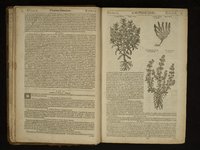
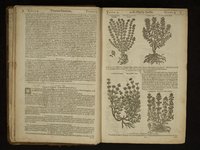
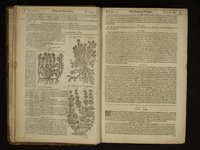
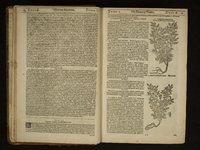
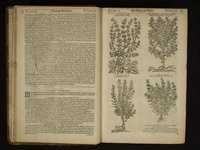
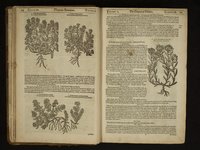
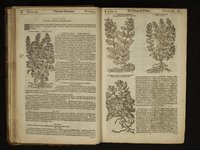
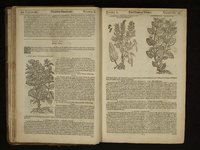
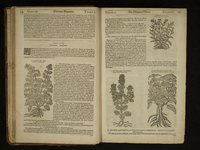
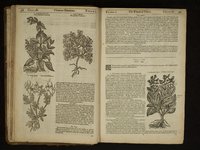
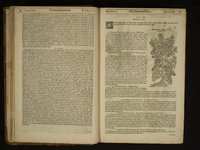
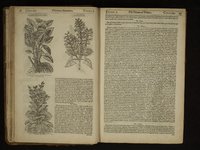
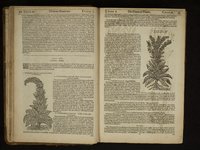
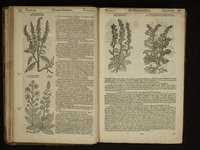
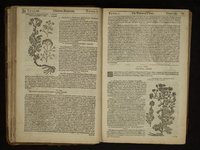
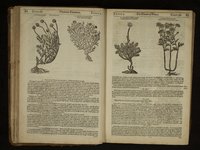
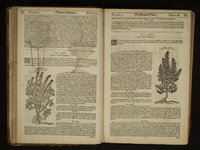
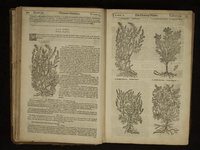
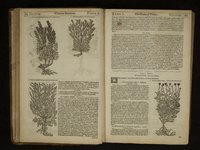
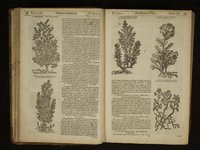
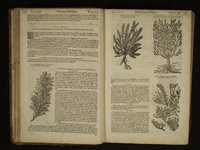
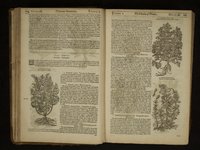
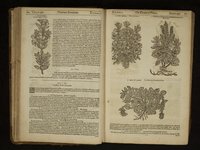
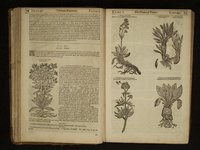
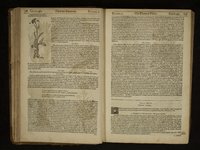
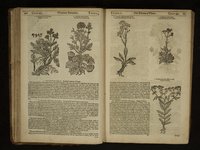
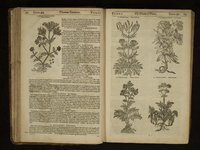
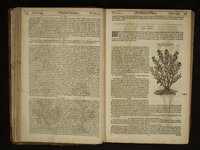
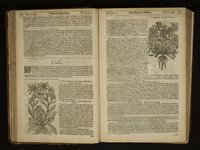
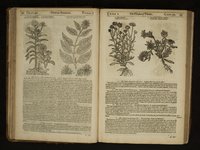
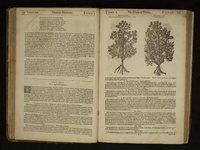
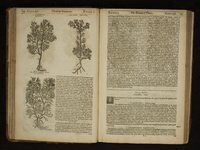
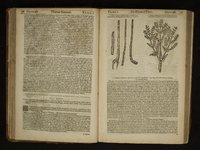
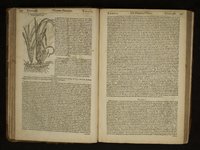
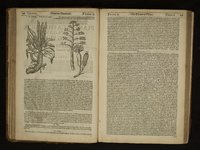
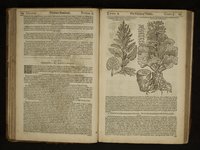
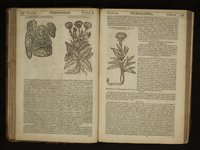
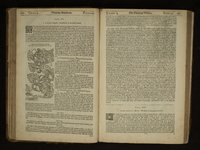
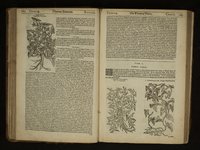
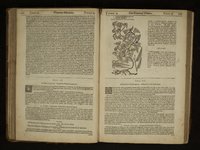
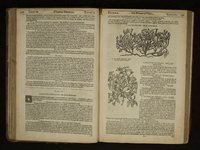
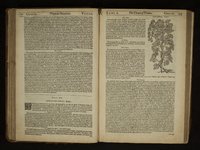
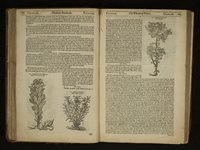
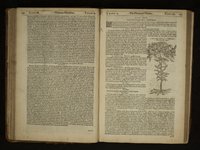
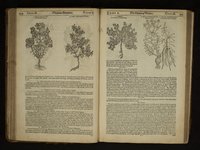
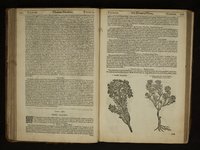
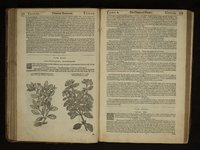
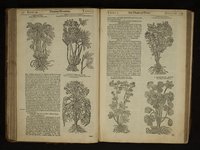
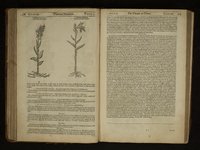
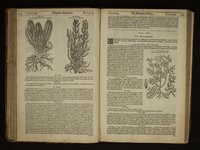
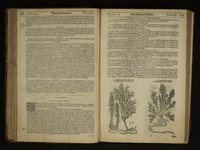
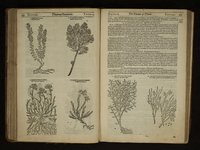
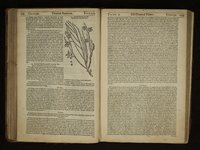
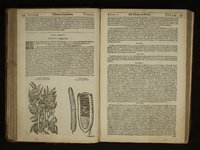
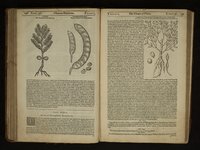
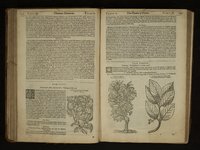
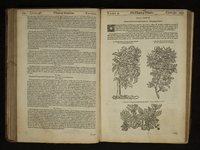
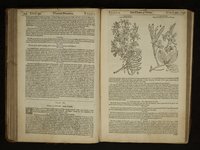
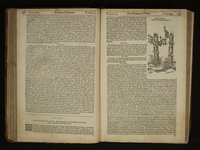
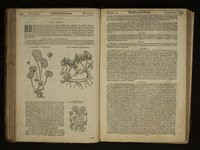
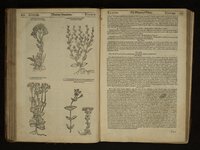
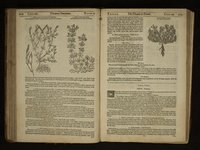
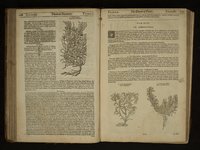
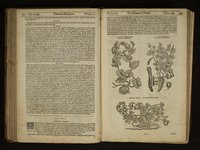
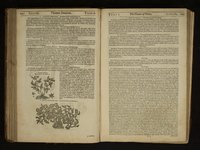
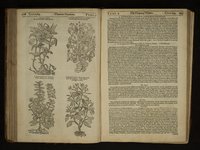
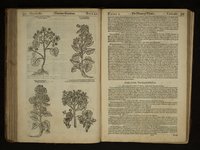
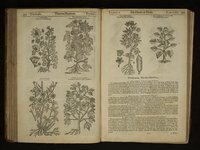
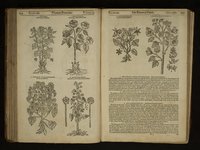
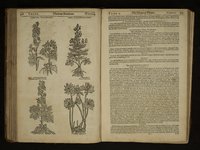
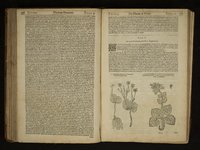
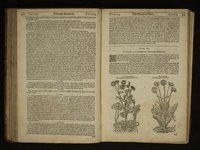
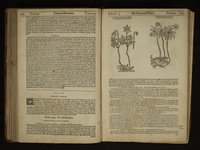
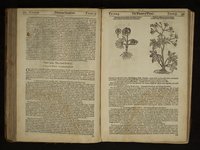
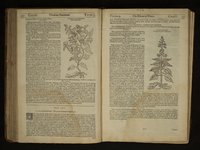
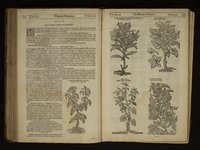
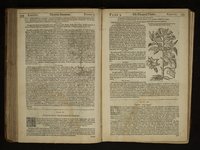
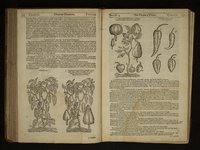
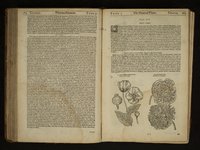
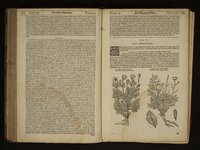
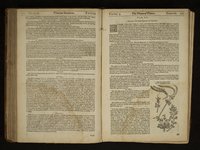
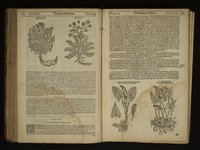
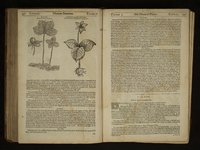
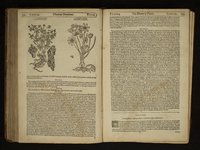
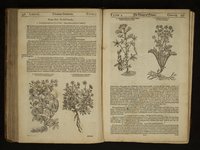
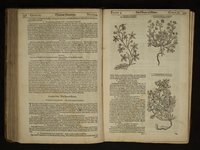
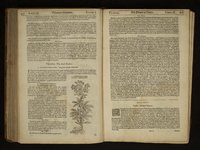
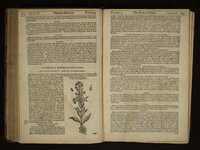
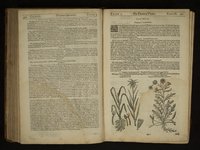
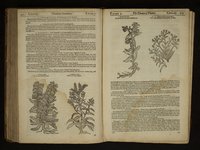
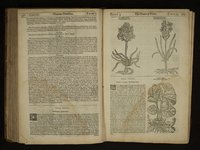
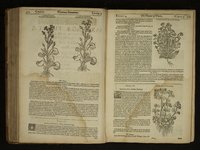
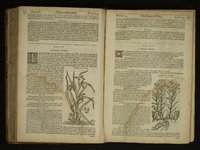
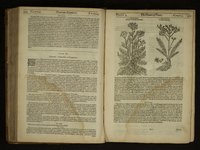
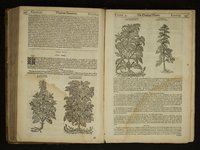
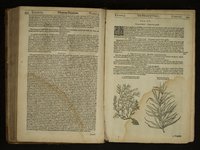
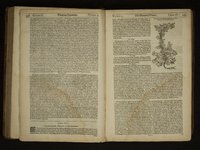
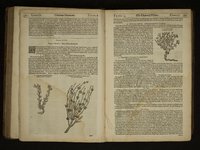
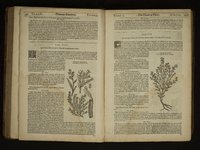
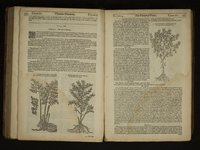
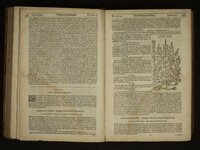
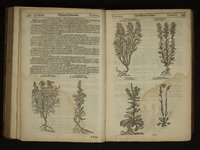
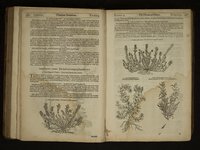
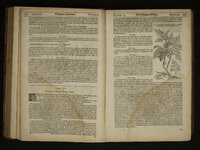
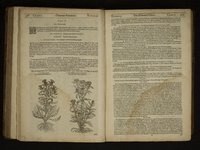
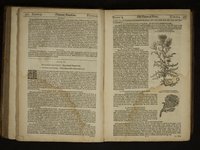
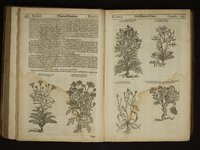
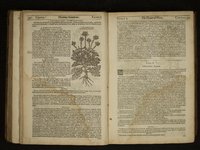
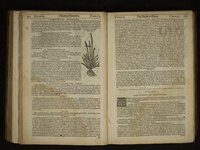
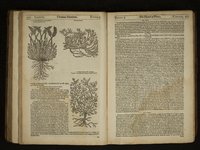
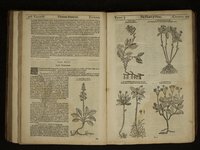
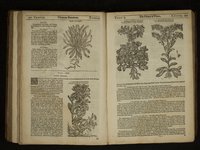
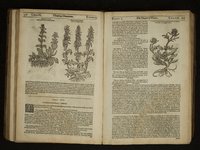
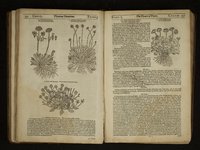
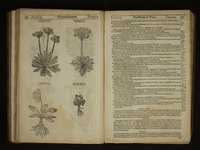
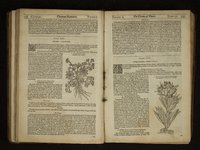
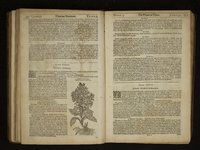
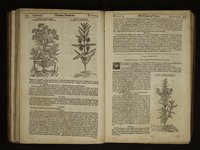
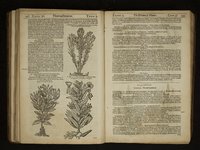
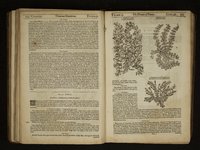
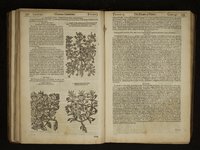
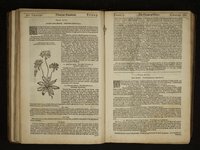
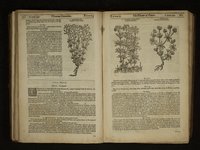
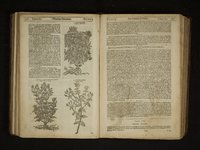
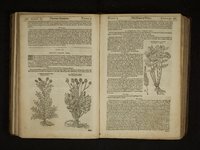
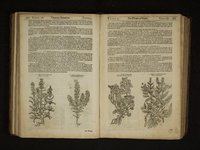
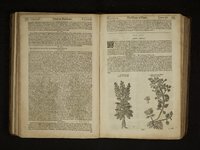
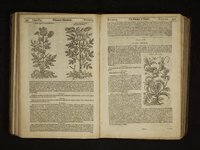
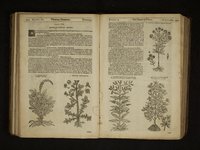
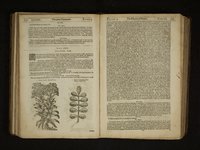
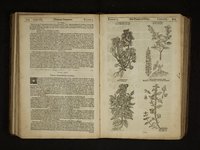
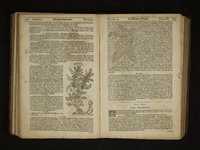
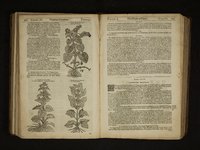
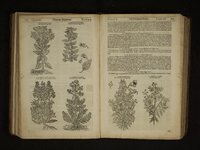
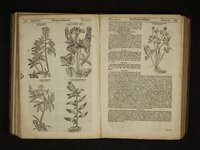
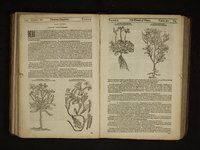
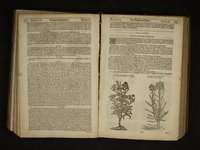
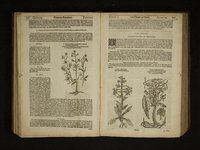
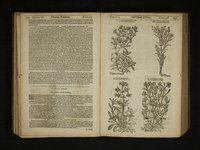
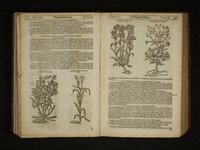
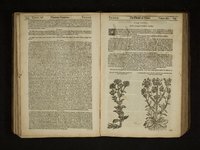
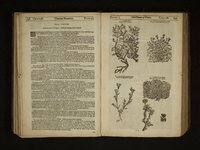
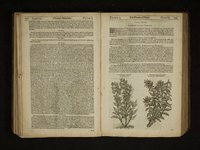
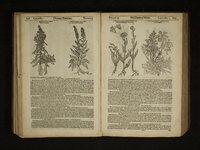
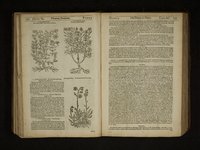
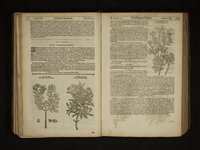
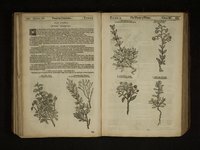
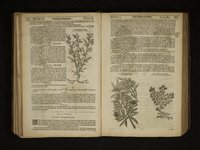
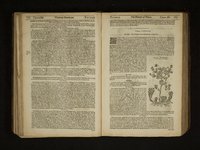
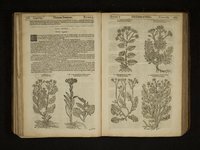
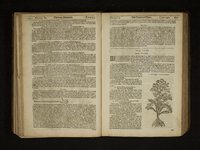
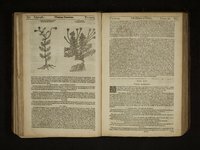
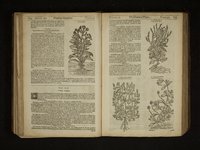
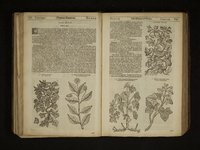
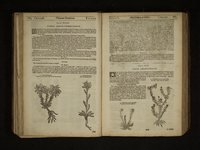
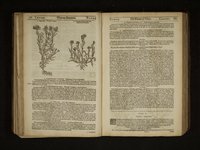
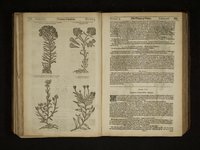
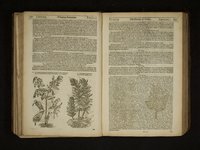
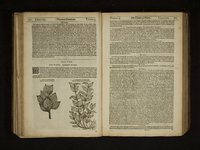
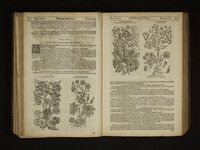
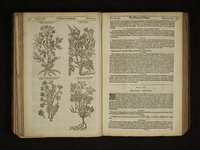
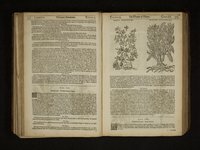
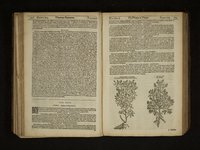
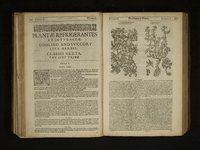
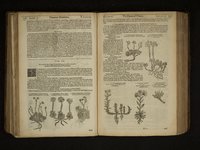
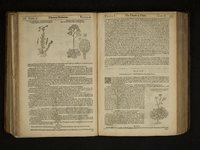
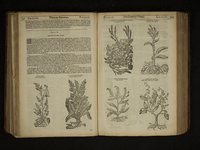
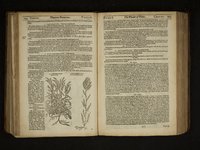
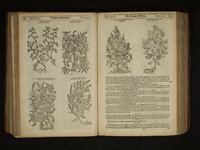
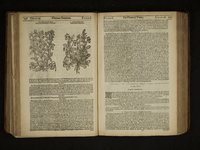
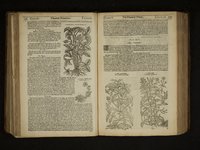
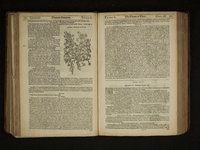
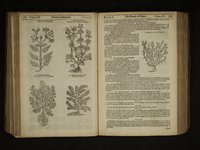
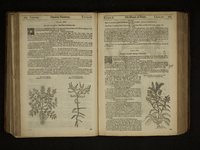
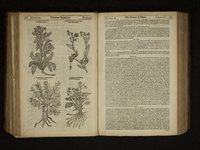
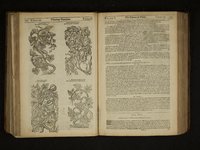
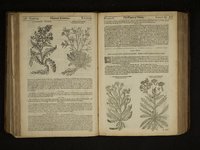
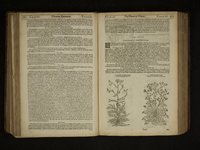
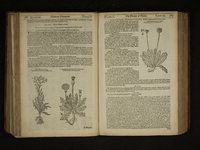
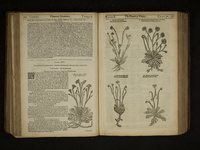
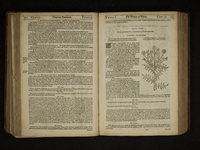
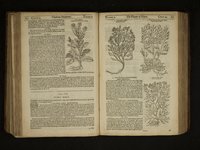
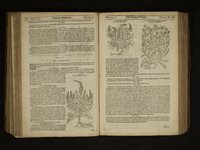
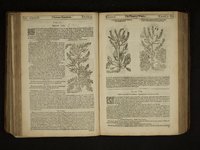
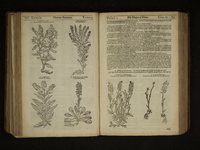
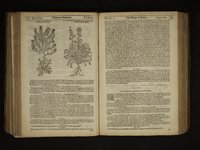
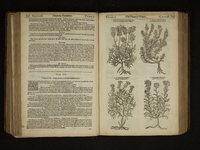
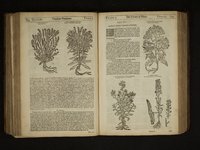
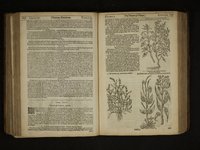
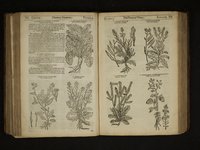
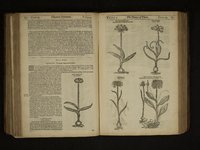
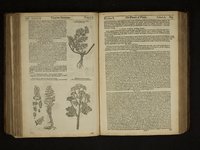
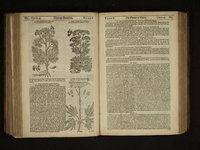
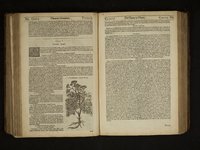
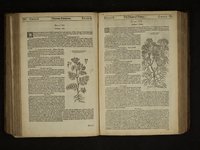
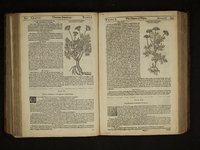
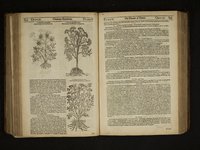
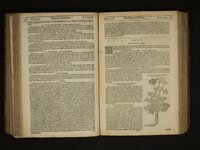
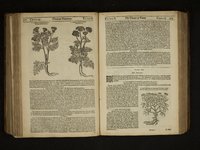
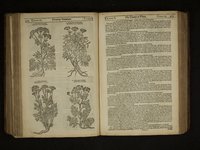
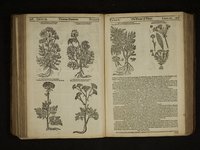
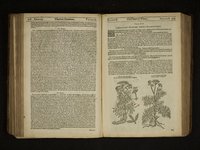
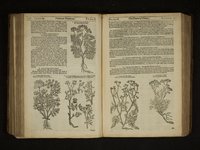
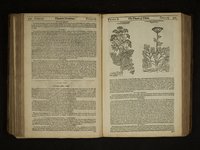
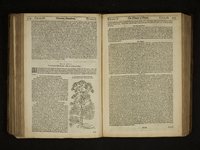
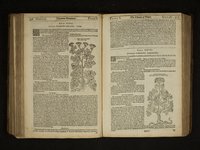
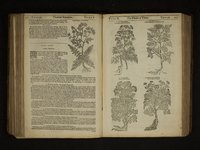
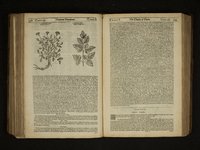
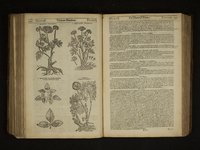
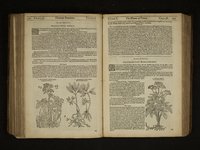
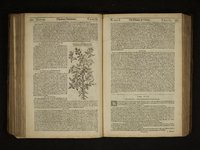
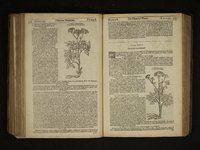
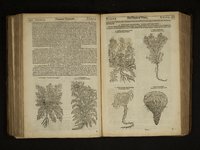
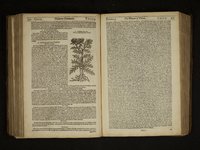
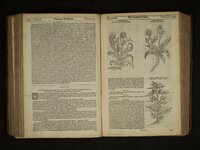
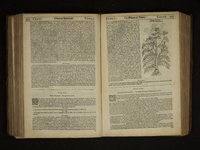
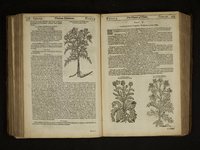
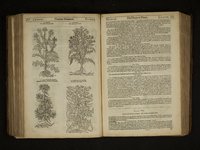
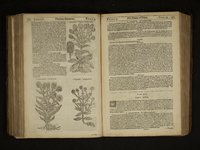
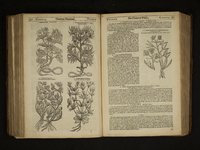
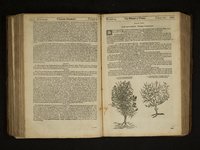
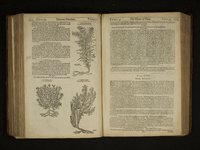
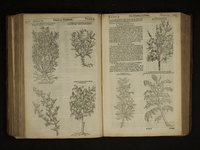
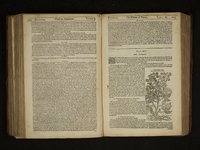
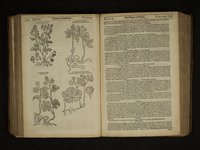
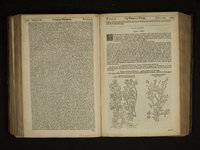
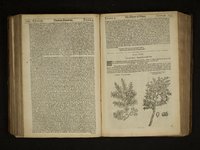
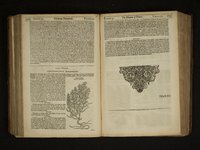
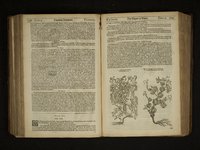
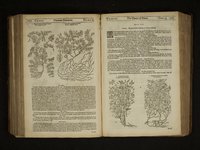
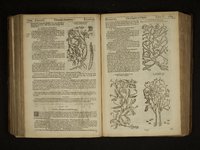
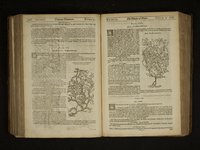
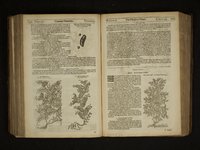
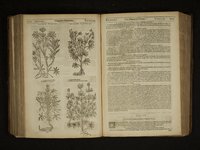
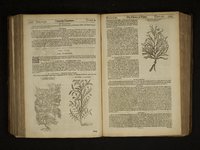
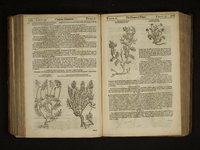
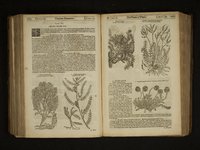
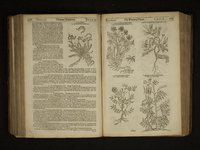
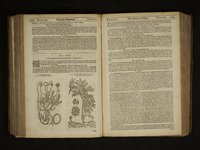
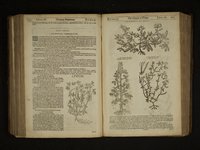
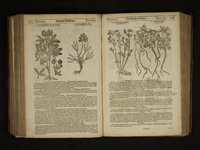
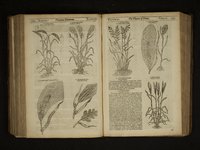
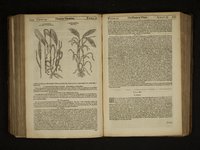
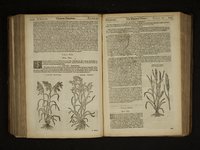
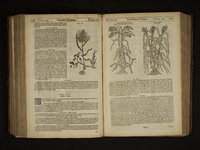
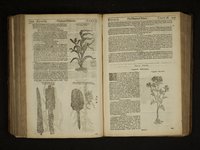
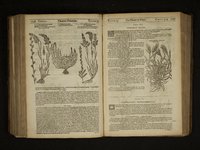
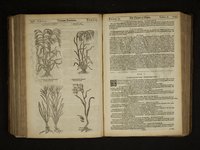
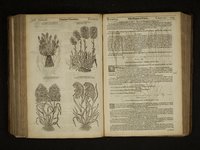
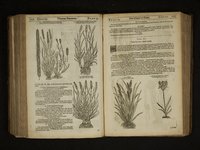
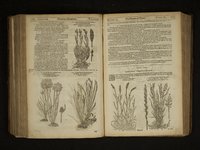
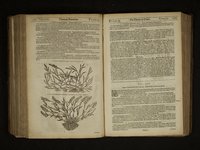
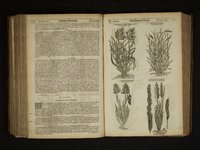
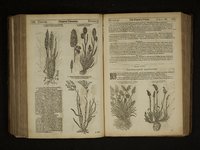
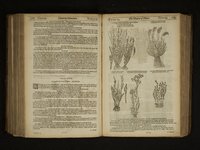
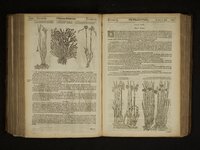
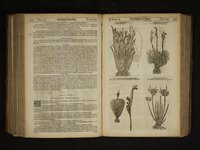
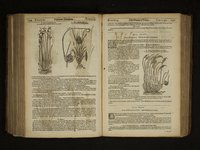
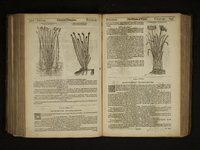
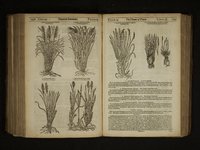
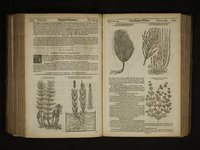
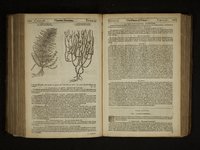
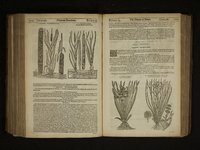
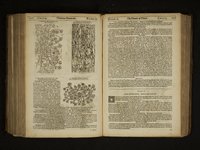
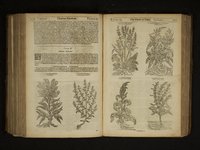
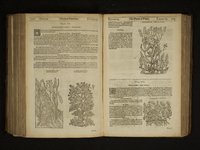
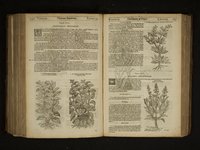
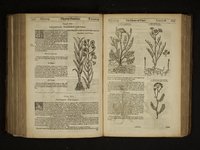
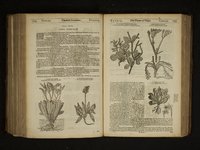
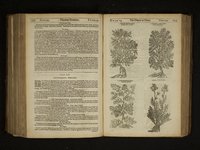
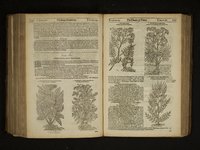
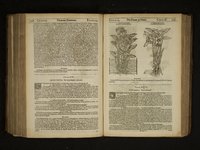
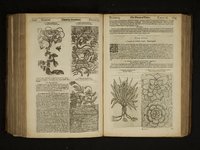
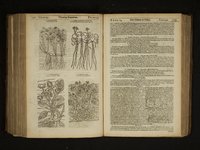
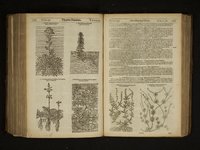
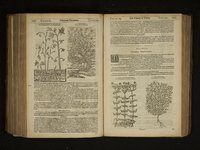
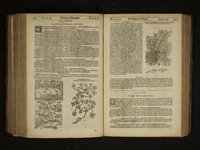
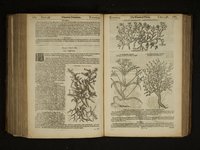
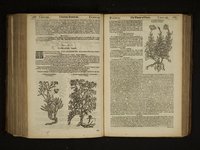
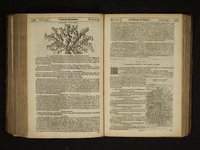
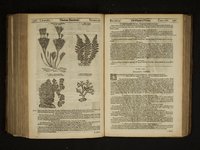
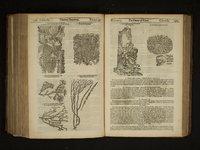
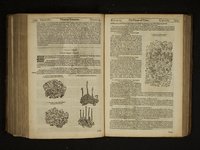
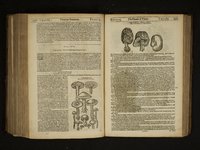
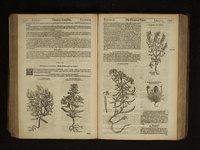
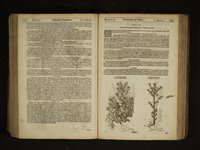
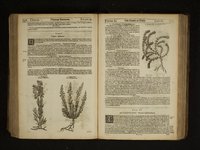
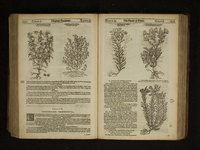
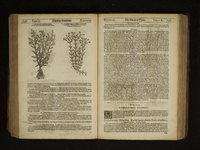
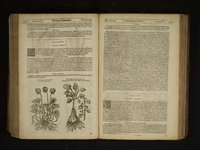
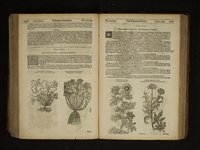
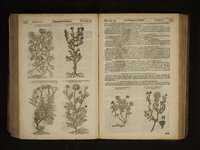
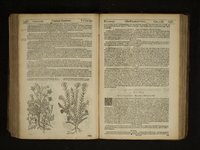
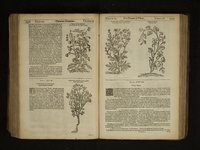
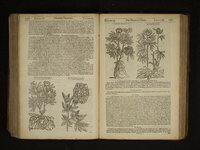
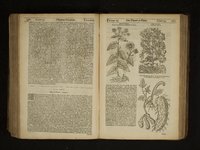
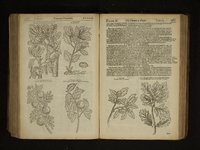
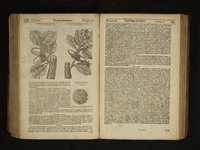
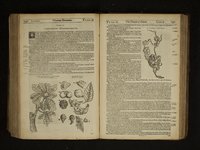
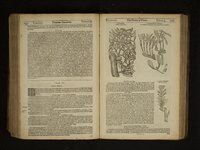
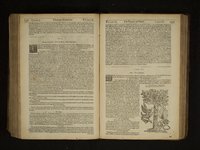
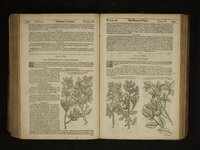
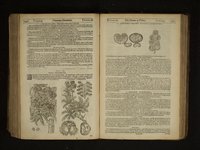
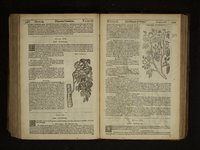
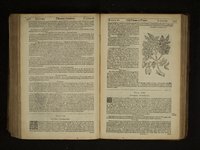
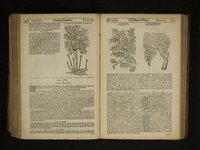
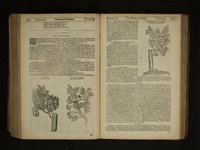
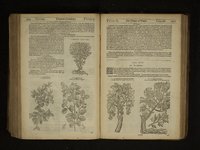
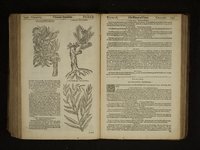
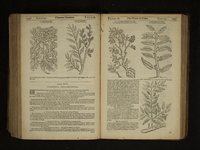
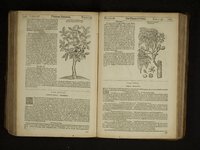
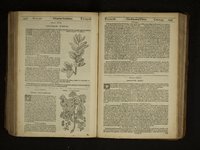
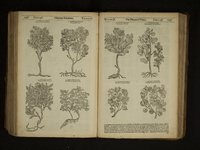
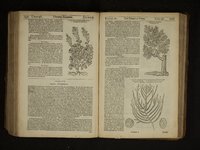
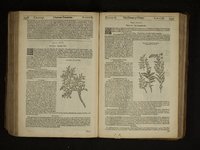
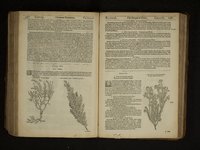
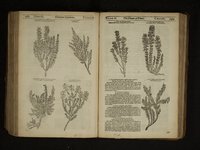
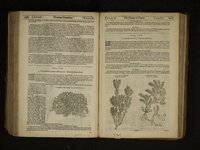
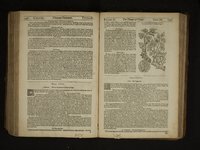
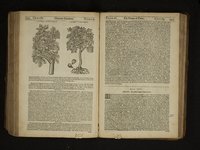
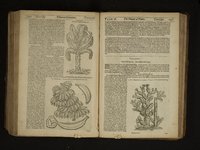
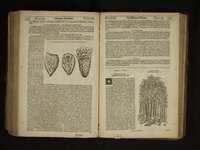
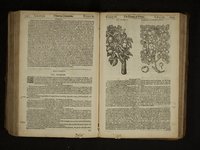
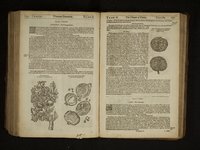
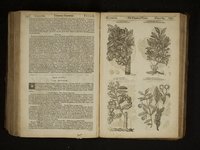
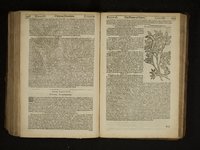
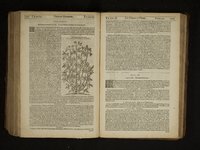
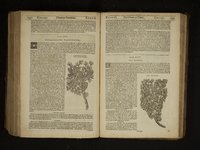
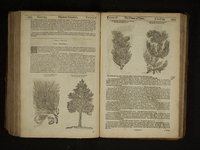
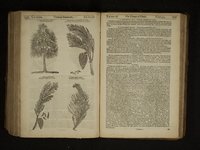
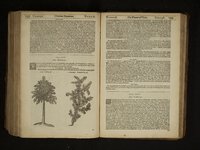
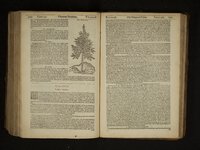
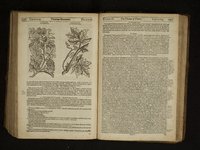
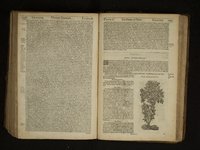
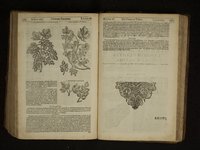
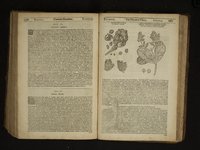
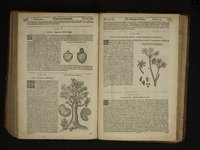
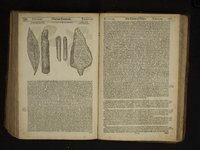
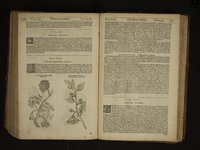
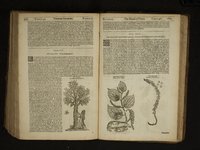
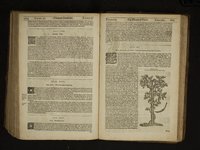
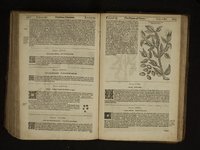
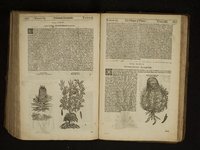
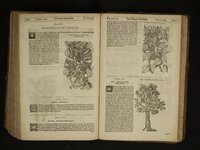
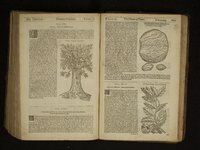
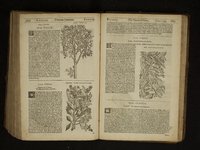
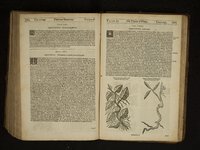
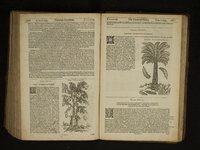
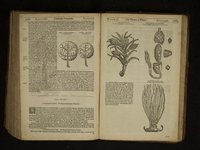
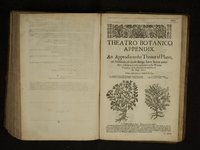
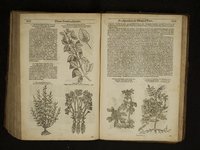
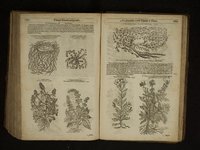
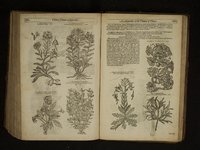
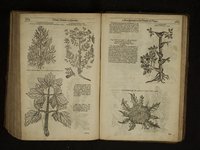
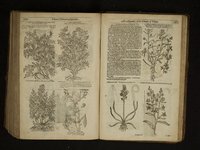
Show Car. 55> “582 Trips 5, Theatrum Botanicum. Lobel in his Adver/aria{aith,it partaketh of the Navew,(and thereforecalleth it,as is before faid, Perfoliata Napias wellas of the Throughwaxejor Perfoliara filiquofasthelalt C/u/iws calleth Brafsica Winter folia) and altera, ‘campeftris or Creffes, purpureo flore, but as did referre the other, fo I doe this, and callit Perfoliata filiquofa flore perpures. The Vertues, Thoroughwaxe ishot and dry, and thereforeof fingular good ufe with Chirurgions, forall fortsof bruifes and wounds, either inward or outward, and oldulcersand fores jlikewife, if the decoction of the herbe made with water or wine be drunke, and the places wafhed therewith, or the juyce or greene herbe, bruifed and boyled, eitherby it {elfe, or with other herbes, in oyle or Axungia, tobe made into an oyntment, to ferve for all the yeere: the decoftion of the herbe, or the powderof the dryed herbe, taken inwardly, and the fame or the greene leavesuifed,and applyed outwardly,isnoleffefingular and availeable to cure ruptures and burltings, efpeciallyin children;before tt grow to be too old, the {ucceffe {till anfwering the commendations ofit: bein applyedalfo witha little flower and waxe, to childrens navelsthat fticke forth, doth helpethem. Tragws faith that the codded Throughwaxe, is of the fame operation with the other, and worketh thelike effects, for his fecond perfoliata orminor hath long cods, which can be noother than this, althonghin Camerary) horto, itbe mi= ftaken, and mejor Tragi, fet for minor, for fo Gefner in hortes hath its % Tripe 5. Lhe Theater of Plants. Cu AP.55e 533 pitapeaaiaanaelln ieee nar a ‘ edges, fet on each fide of amiddle ribbe; among which rife upcrefted browne flalkes, two foote highor better with fome {maller leaves, fet infome places thereon, divided into fandry branches, and at the toppes fimall round loofe heads, or knaps upon long foote ftalkes, of abrownifh colour; from whence ftart forth {mall parplith flowers, and after them cornered feede; the roote is fmall, lorig; and blackifh browneon the outfide, srowing downe deepe into the ground, with fomefibres thereat ; the herbe hath fine quicke fent and tafte, £iVingS22 delicate relifh unto wine, 2, Pimpinelle minor inodora, Vnfavory Burnet. This unfavory Burnetis in all thingslike the former, but that the leaves of this are not fo round, but fomethine longer, and havencither {ent or tafte in them to commend it like the other, es 3. Pimpinella majorfive fylveftris, Great or wilde Burnet. The great wilde Burnet hath fuch like winged leaves rifing fromthe rootes, butnothing fo many, and each of thefe leaves on the wings, are twife as large atthe leaft, asthe other; and nicked in the fame manner about the edges, of a grayifh colour on the underfide : the ftalkes are ity de ; f greaterand rife higher,with manyfuch like leavesfet thereon, & greater knaps or heads at the tops,of abrownith greene co- aterae eeeeee Se eat OF ARES lour, and out of them come {mall darke purple flowers,like the former, bur greater : the roote alfois blacke and longlike the other, but greater : this hathina manner neither fent or tafte therein, like the common fmall, or garden kinde. Crap, LV. 4. Pimpinella maxima Americana, Great Burnet Pimpinella five Sanguiforba, Burnet. } Impinellahath a double interpretation declaring twoforts of herbes, for it either fignifieth Burnet, and J%> thenitis ufually alfo called Sangusforba,ot itis referred to the Saxifragés, and thenitis called Pimpis 2 nella Saxi fraga, Burnet Saxifrage,of either of which kindesthereare diverfe forts: butof the Saxi« frage kindes, becaufe they are umbelliferous plants, I fhall {peake among the other ofthat ranckeot order, and ofthefe Burnets in this place, whereof there is both greater and leffer, and ineither of both fome difference; andalthough Ihave {et forth the common Burnetin my former booke,yet becaufe I there {jpake of it, onely asan herbe fora Kitchen garden,and fpake very little of the properties; I thought good to mentionit f here againe, and enlarge the vertues. 1. Pimpinelavulgarisfive minor, Common Burnet: = : npon thé {pread leaves, winged long The common Ordinary Burnet groweth with many fift of divers {mall roundifh leaves, greeneon the upper fide at gtayifh cadena, eaeemaarose X. Pimpinella vulgaris (ive minor. CommonBurnet, 3. Pimpinella major vulgaris. The ordinary great Burner, of America. This great Burnecis inall the parts thereoflike the laft, but muchgreater, having oftentimes allthe leaves, which are of a blewith greene on the upperfide, and folded halfe way toge“ther inward, theunderfide of the leaves, which are grayifh, fhewing themfelves upward, nicked fomewhat deepely about the edges, with greater dents, which make them fhew the more comely;and gracefully : the toppes of the ftalkes carry fmalle:, and much longer, whitifh greene {piked heads,fer thicke with knaps, each whereof whenit flowreth (beginning below and forifing higher) fheweth to be foure whitifh greene leaves, having many {mall white long threds in the middle ; after which come the feede in the fameplaces, being cornered like the other ; the roote is much greater and wooddy, longer alfo and blacker than the laft: this hathlittle fent, but in tafte is fomewhatlike thefirft; yet nothing fo aromaticall, The Place, d The firft groweth wildeindivers places of this Land, indry ‘ 0 AN fandy places, but is ufually preferved in gardens, to be ready at hand, whenit fhall neede tobeufed: the fecond was found in Spaine,as Baubinus faith: the third isfound in divers Countries of this Land, efpecially in Hwarington and Northampton fhires, inthe Meddowesthere, as alfo neere London both by Pancras Church, intwoorthreefields nigh unto Boobies barne, as alfo by acaufie fide inthe middle of field by Paddingzon : the laft was brought ont of the North parts of Virginia, where it is naturall, The Time. All thefe flower about the end of Zuwe, and beginning of In/y, and theirfeedeistipe in Auguff, The Names, The Greeke word myaiv:nc oras Gefner hathit mpumyiaz Pimpinella, is onely found in Nicolaus Myrepfut, and isthought by divers to beunderftoode of this hearbe, (for it isnot knowne tobe mentioned by that name, im any ofthe old writers: but divers by good judgement doereferre it tothe Sideritis fecnnda of Dio(corides, whereuntoit anfwerethfully, both in forme and qualities, fo that we neede not any further to doubt thereof,and the rather, becanfe as it is fayd at this day, this herbe is called Sideritis by the Greekes, in the Ifland Chio, or S10, divers alfo referre his Sideritis unto the other kindes of Pimpinélla, that are umbelliferous, for there is fach aconfifion among many of the later writers, thatit is hard to underftand, which ofthefe two kindes they meane whereofthey write: Ge/ner in hortts Germaniz,mnaketh mention of Pimpinella minorfativa levis, to be of the fame kind with the other /ylvefr#s,or wilde fort, & as he {aith,not differing from it,but in the manuring,whichhis Pim pinella minor (ylveftris,is the Saxiftage kind as maybe plainly perceived,by his own wordsfollowing: for hefaith that that erbe which the Germanes call ufually Pimpinella is by other people called Saxifraga, and by the Italians Hire ina,or Pimpinella hircina,and yet Banhinus maketh thisPimpinellafativa levw of Ge/ner,to be Sanguiforba mia nor lev,whichisquite contrary to his mind as J think;and although by faying it is ufed in fallets,he might feeme to underitand this Burnet kinde, which was wontoftento be fo ufed, yet hiswords of Saxifraga Hircina,cannot he underftood of this Burnet,but of the other Saxifraga umbellifera:the like doubt and difference there is concer= ning thofe {carlet berries,that grow upon the rootes of Pimpinella vulgaris(as Fragofus maketh mention,/.3.c.15. which he taketh to be the Cocchenilla, for hethere faith, that Cochewilfe is a certaine berry bronght from Pers, which gtoweth upon certeine {mall plants, like unto Pimpinella velgar%, unto whofe rootesit doth fticke, of the likeneffe of wilde Grapes, which fometake to be the true Coccoguidinm, and others to be the Chermes ofthe Arabians, which differeth from the Coccns Baphica of the Grecians; thus faith Fragofusy all which isutterly untrue, |