| OCR Text |
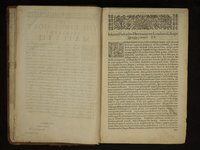
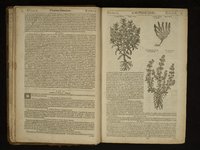
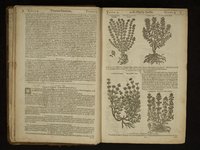
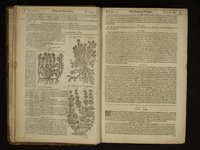
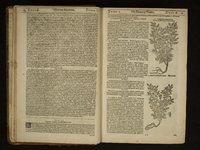
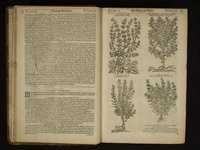
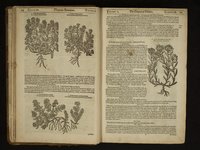
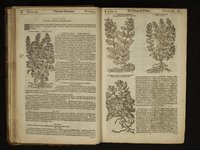
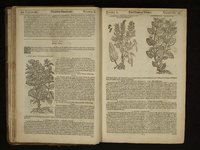
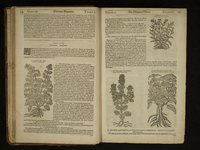
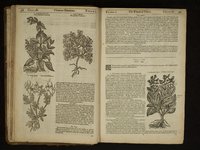
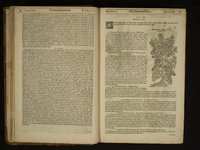
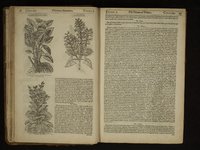
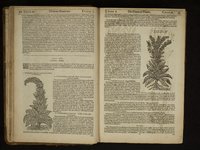
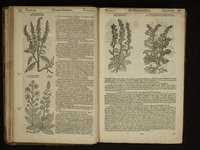
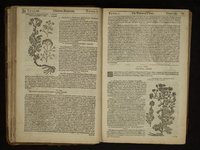
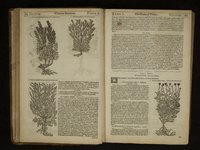
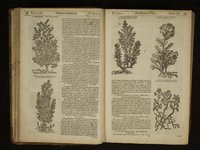
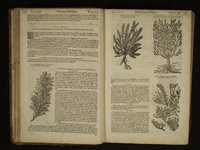
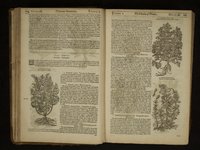
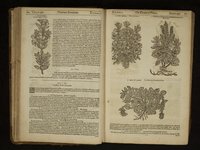
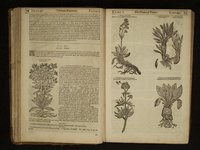
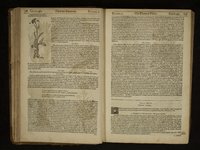
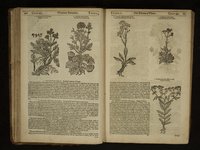
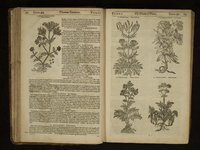
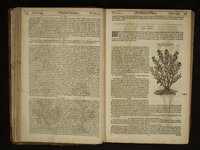
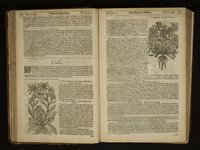
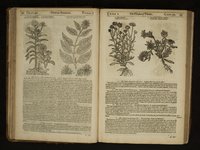
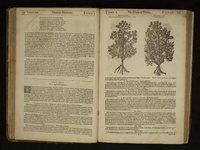
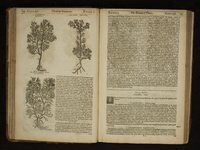
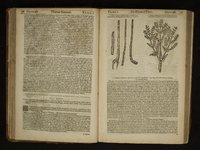
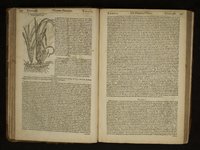
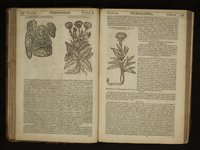
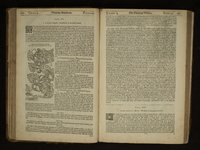
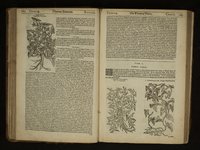
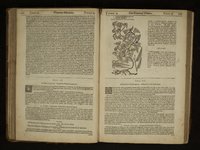
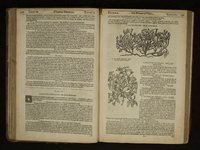
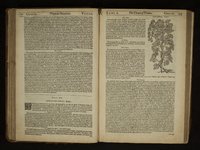
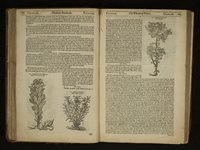
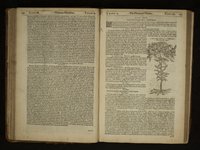
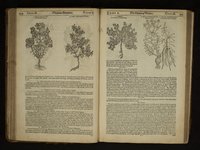
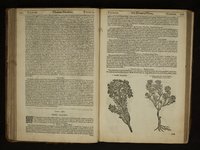
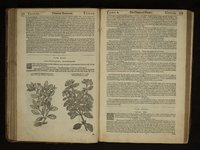
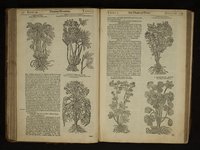
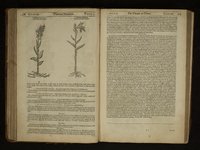
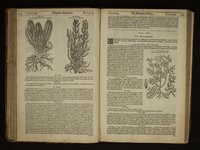
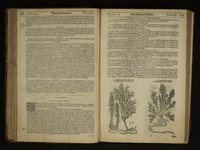
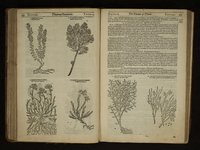
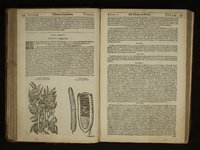
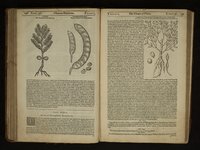
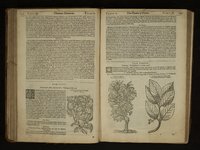
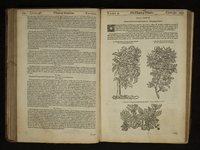
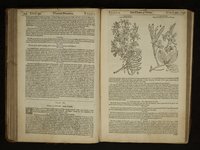
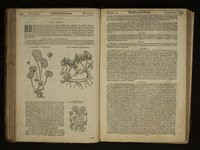
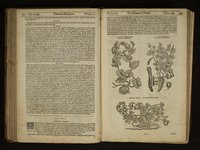
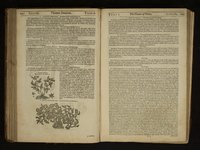
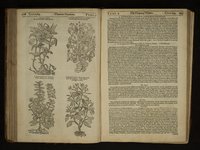
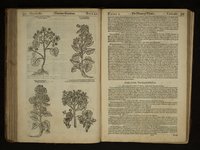
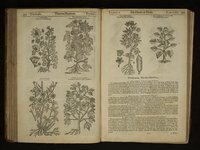
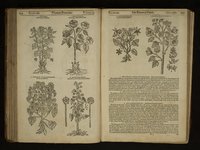
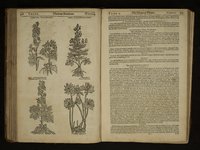
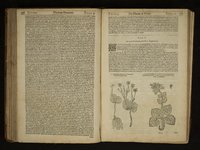
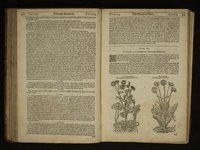
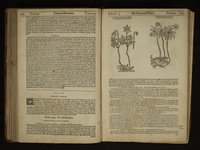
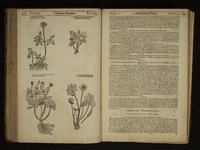
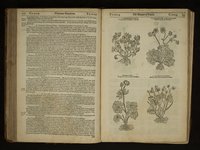
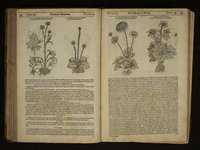
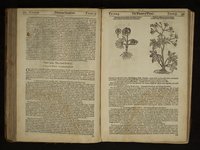
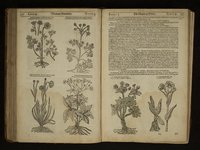
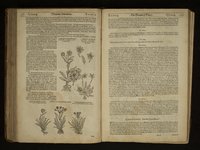
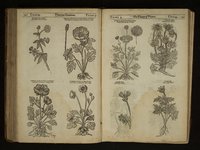
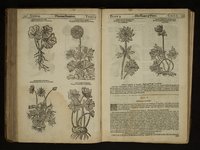
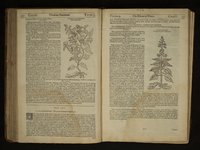
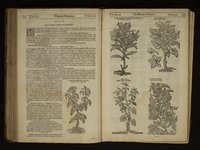
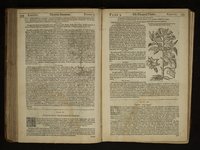
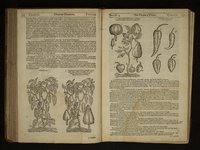
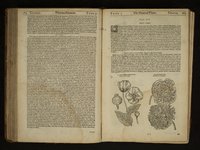
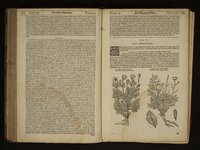
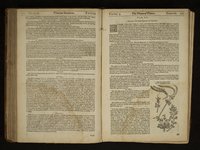
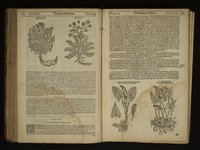
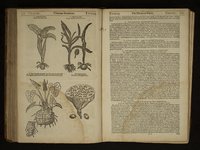
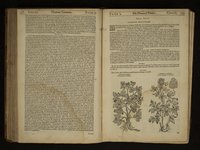
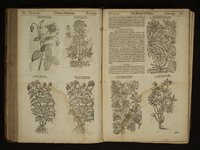
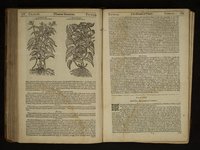
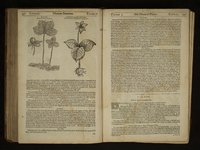
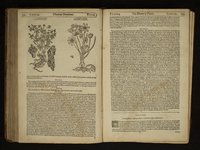
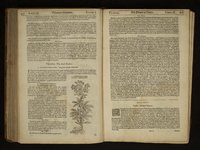
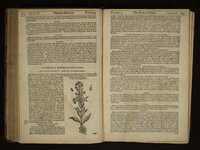
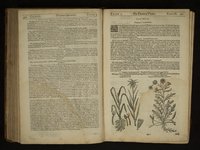
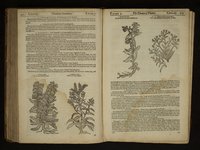
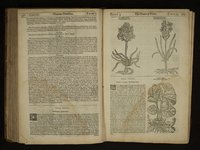
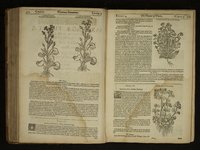
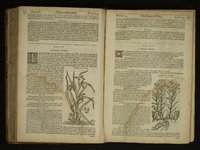
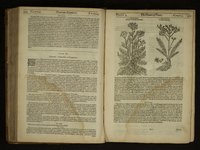
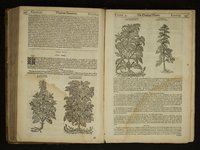
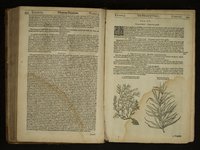
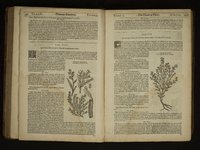
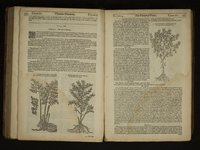
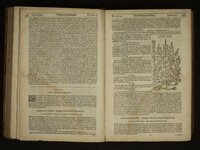
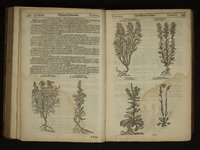
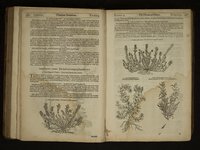
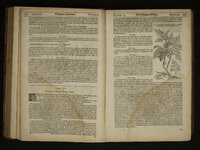
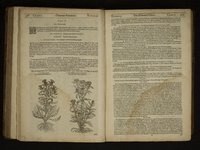
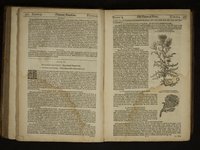
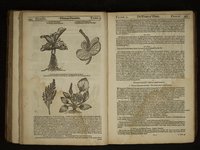
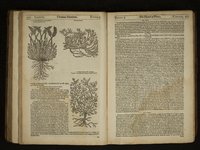
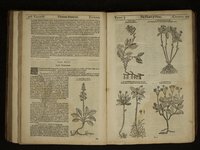
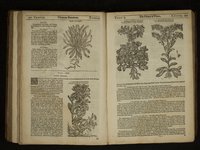
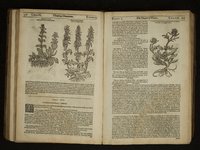
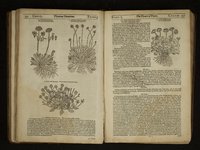
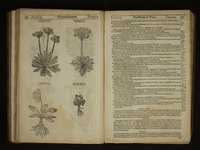
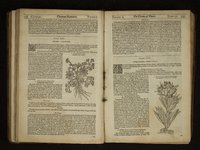
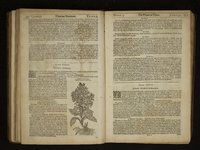
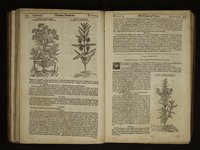
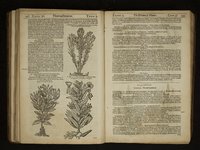
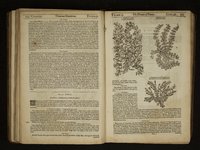
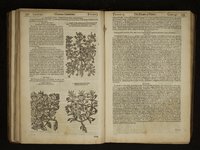
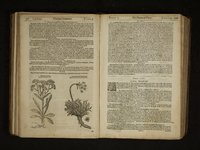
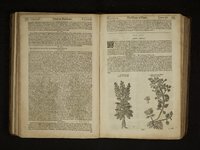
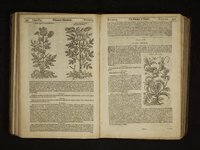
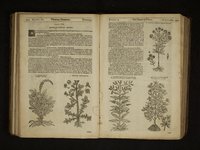
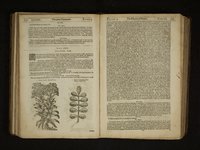
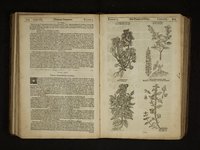
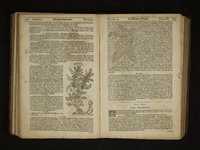
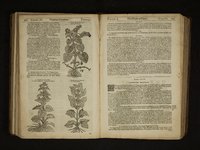
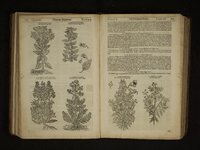
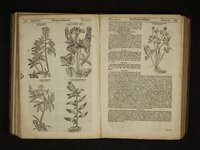
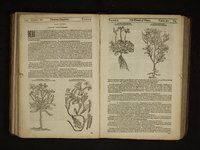
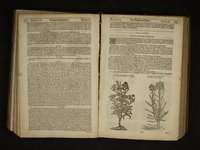
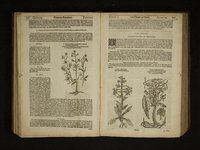
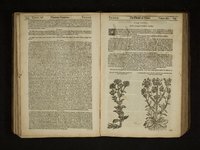
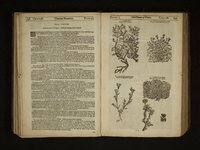
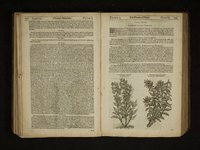
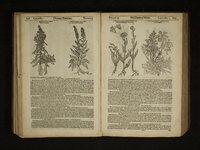
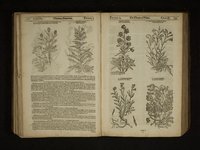
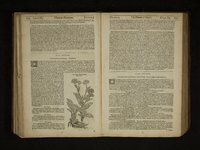
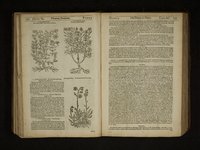
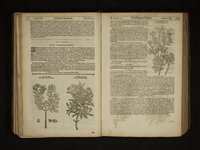
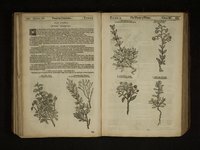
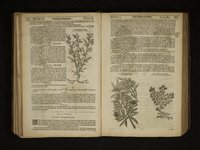
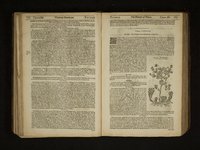
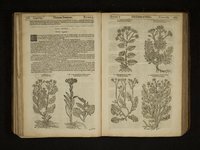
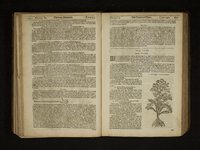
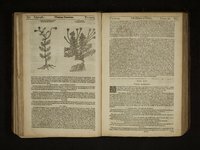
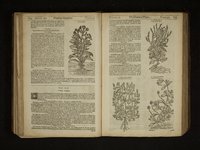
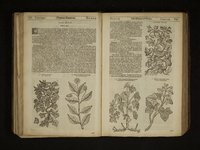
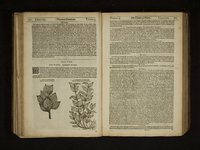
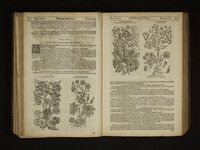
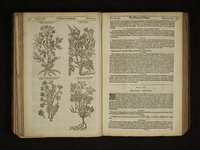
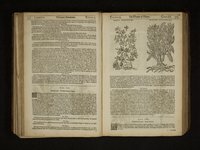
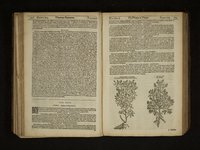
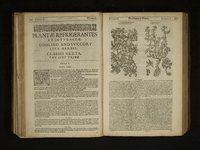
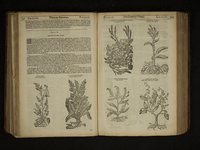
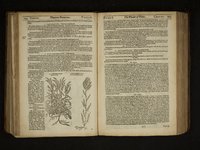
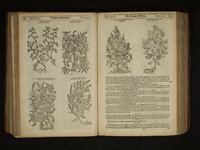
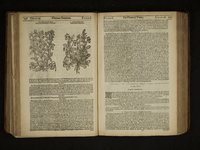
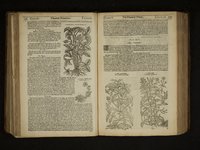
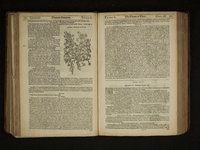
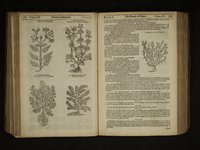
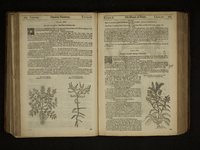
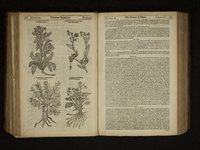
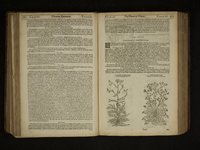
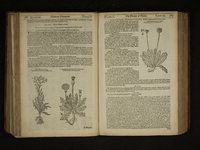
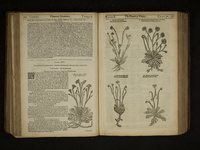
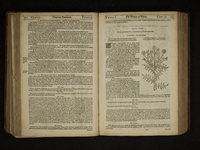
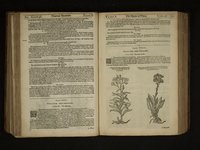
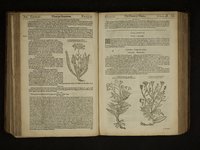
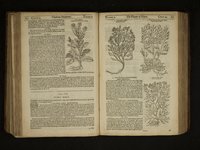
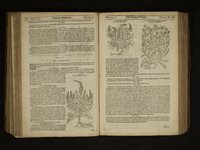
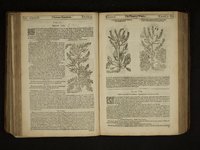
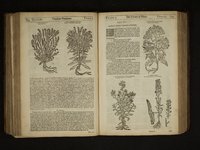
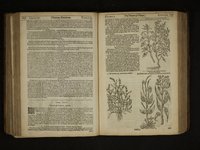
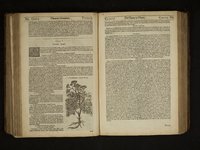
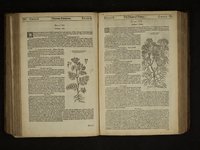
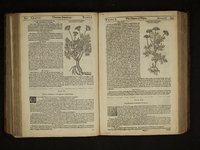
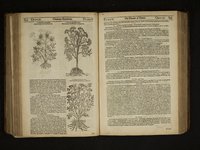
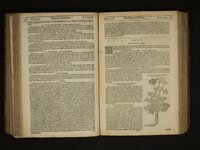
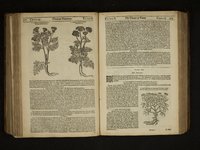
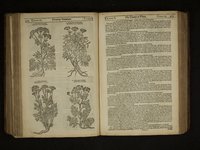
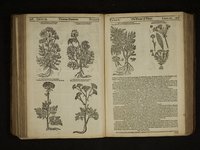
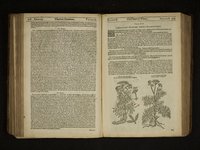
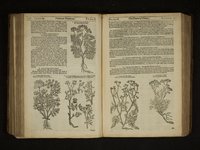
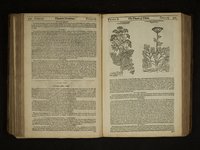
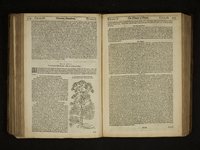
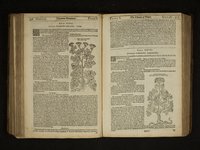
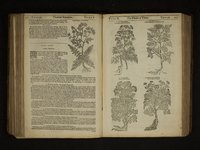
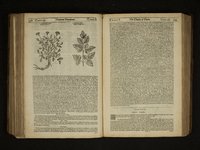
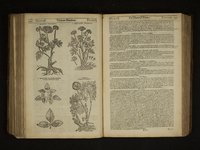
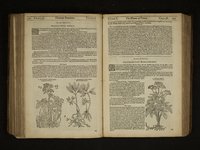
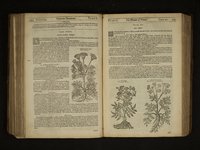
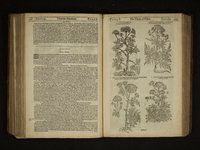
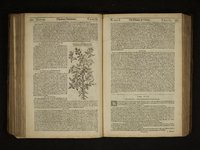
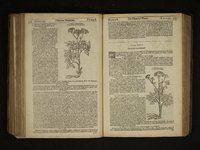
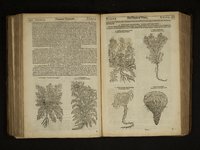
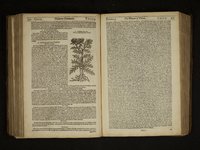
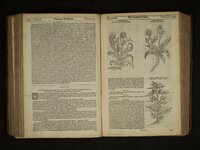
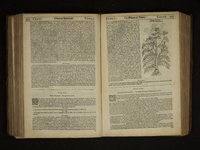
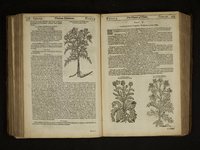
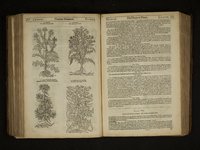
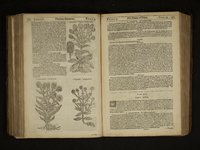
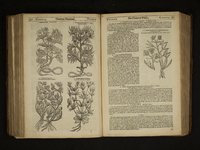
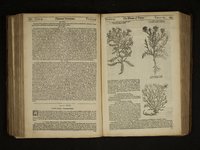
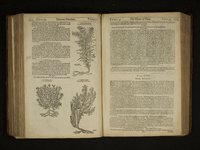
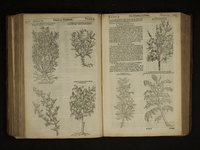
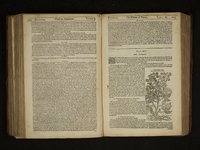
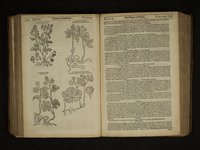
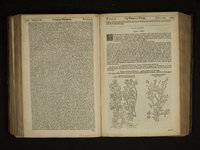
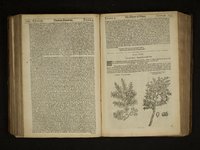
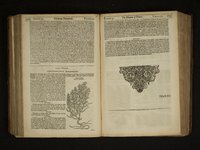
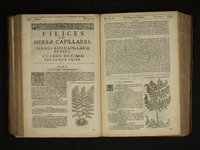
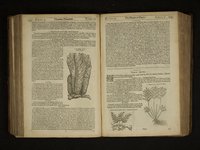
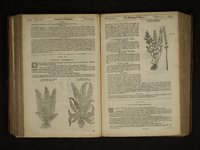
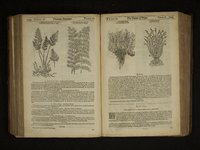
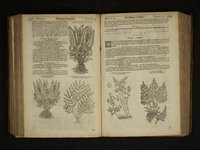
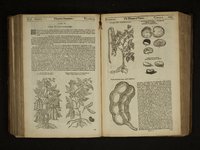
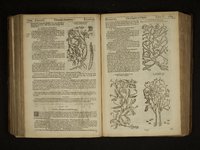
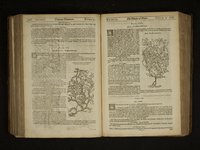
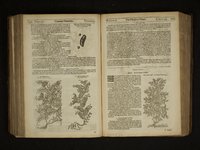
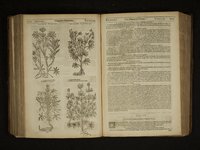
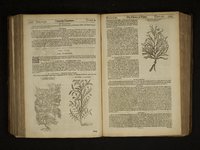
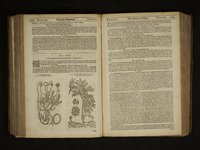
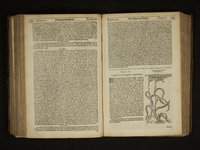
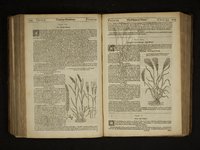
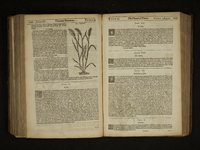
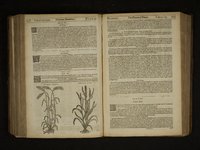
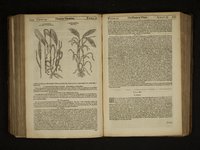
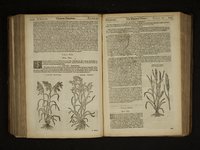
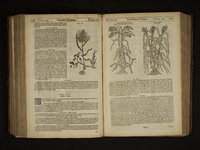
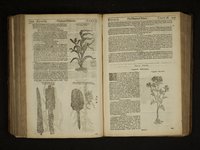
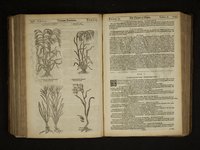
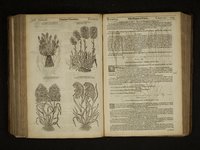
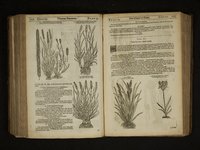
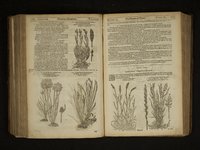
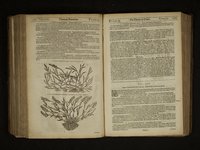
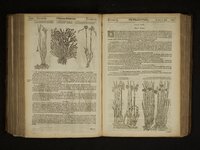
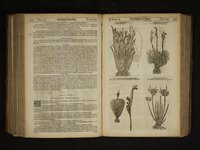
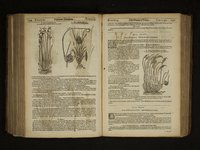
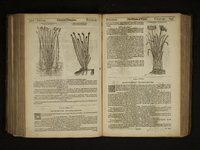
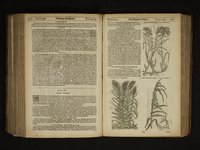
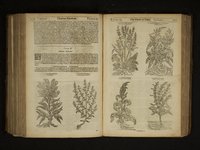
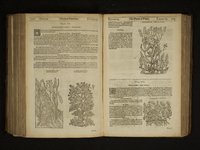
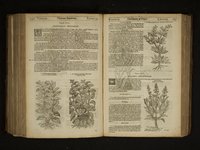
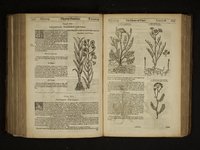
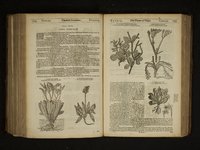
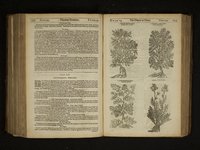
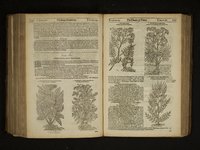
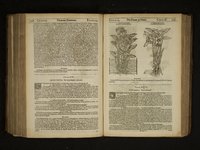
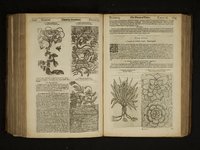
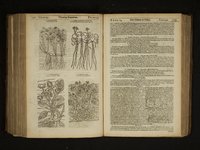
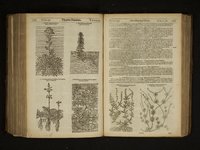
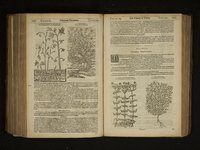
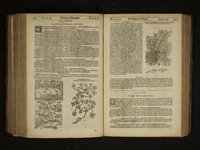
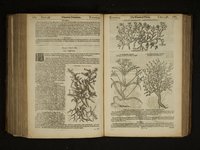
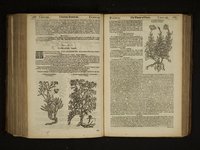
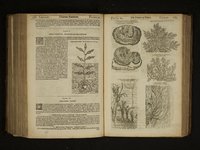
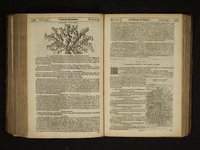
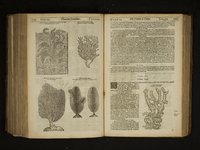
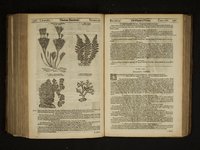
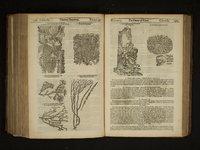
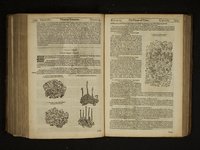
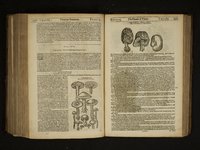
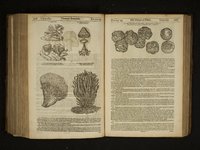
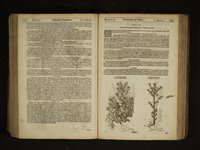
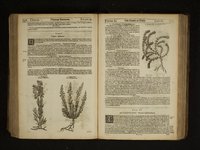
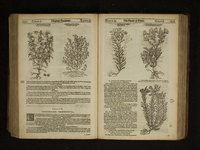
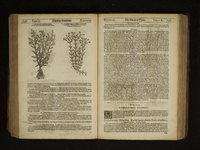
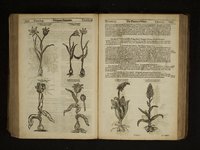
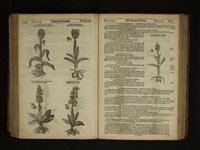
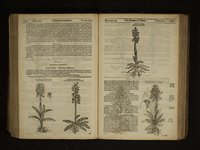
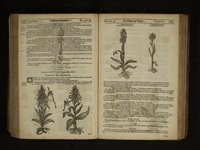
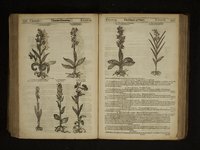
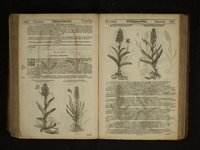
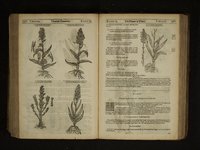
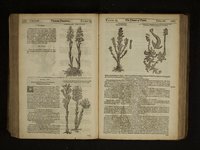
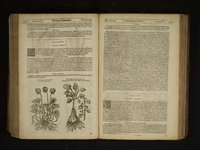
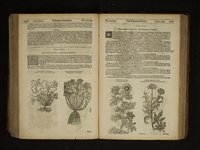
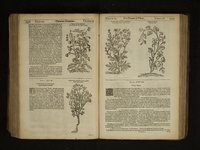
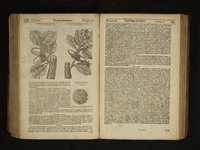
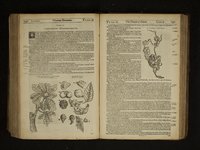
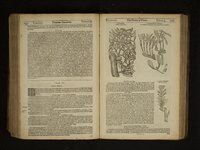
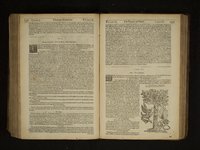
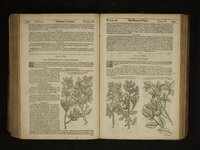
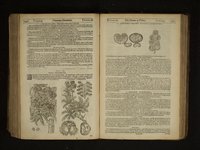
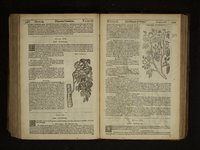
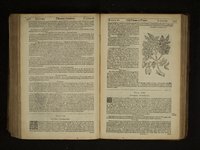
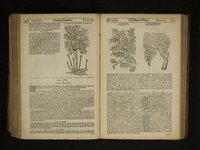
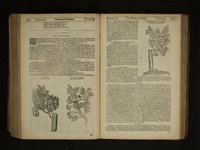
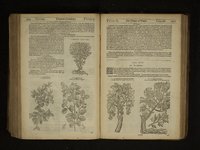
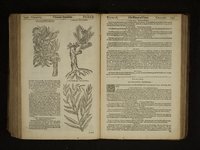
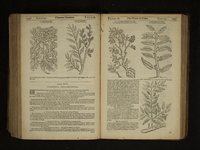
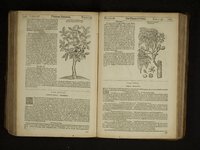
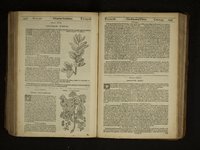
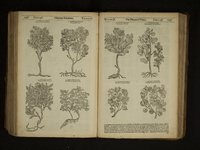
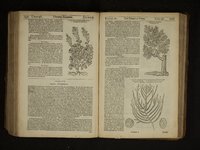
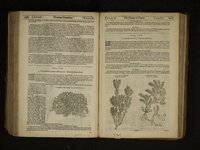
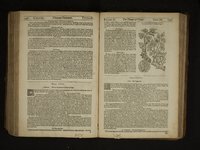
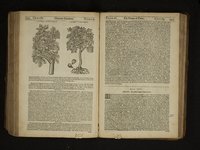
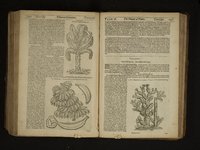
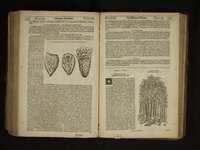
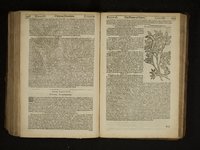
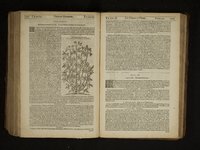
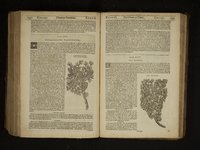
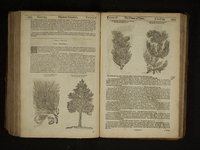
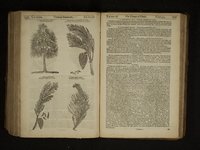
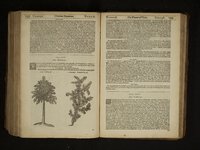
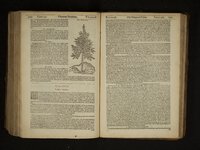
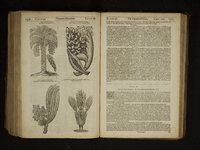
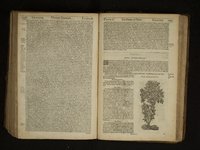
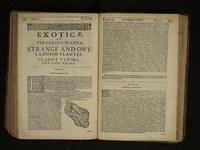
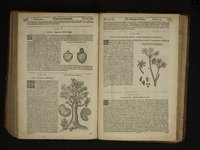
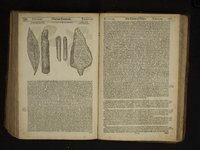
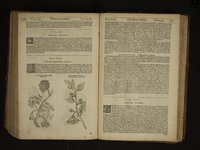
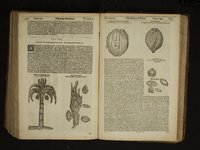
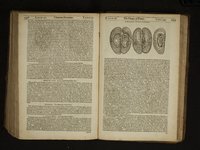
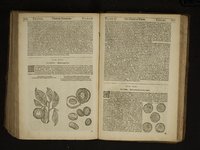
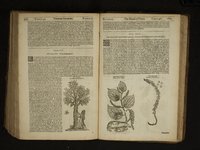
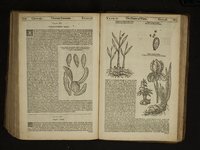
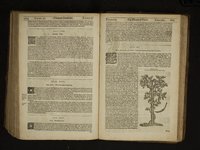
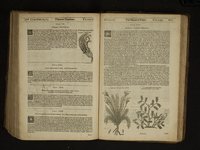
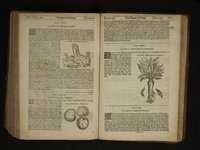
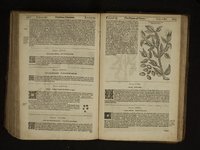
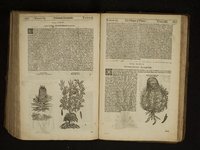
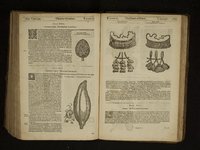
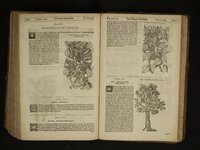
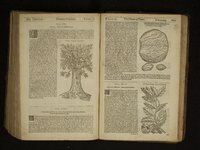
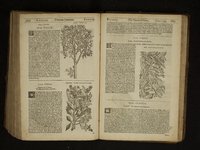
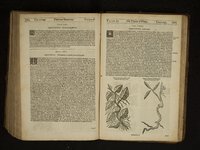
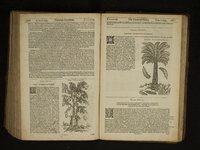
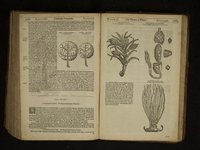
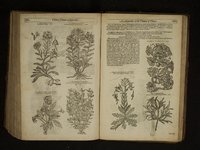
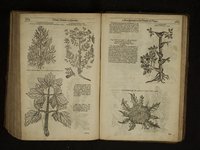
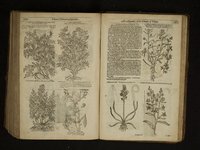
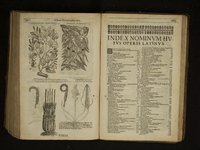
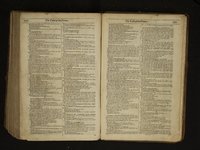
Show =. Cr aP.i7. ; Theatrum Botanicum, 5» 4rifarum latifoliam, Broad Ieafed Fryers coule, TR IBE.3. it ee aihcae 8 le Se eee £ heater of Plants. The ae Cuari7. 375 that have nofpots, theleaveslikewife of thofe that have {pots, {pring up forthe moft part before Winter, and the other, not untillthe Spring, there hath not any fruite beene obferved inthis, by any that 1 can underftand. 5. Arifarum latifolinm. Broad leafed Fryers Coule. faire greene leaves; whofe Thé Broad leafed Arifarum groweth in all thingslike unto the Ar#m,having divers and middle rib on the upperfide,as alfo fomeotherof the veines are white fometimes, and fomewhat thicker rounder pointed then the Arum, the middle ftalke bearing the flower( which isa ctooked or bending hofe at the top, witha finall crooked whitifh peftell in the middle, rinfing out of it, ) is {potted withred {pots, not rifing fully fo highas the leaves, which are nothing {o fharpe intalte, as thofe ofthe Wake Robin; and doe alwayes {pring up in the end of Autumne,abiding greeneall the Winter: after the huske or flower is paft, and the of greene leaves withered and gone, which will bein the Summer, then the berryes doe appeare on the toppes the talkes, greene at the firft, and ofa yellowifb red when they are ripe, which abide uncill the frofts canfe them to wither , andthe greeneleaves begin to appeare : the roore is white and fomewhat round, encreafing muchbyoffets. 6. Ar farum longifolinm, Tong or narrowleafedFryers Coule. Theleaves ofthis Arifarnm, are very natrow and long, notrifing fo high as the former; but tather lying on the ground,and doth more feldomebeate any hofe, which is whitifh fmall and long, with avery long and {mall reddith peltellin the middle, like untoalong worme, fearferifing above the ground, the berryes that follow fets; butnotin fo are white and not red, the roote is white andround,{maller then the former, encreafing by of plentifulla manner. 7. Arum ALgyptium vulgo dittum Colocafia rotundiore & oblongiore radice, The Egyptian Culcas or Wake Robin with a rounder and longer roote, — This Egyptian plant, hath beene the fubject ofmuch controverfie, among many worthy and learned writers, both ofour and of former times, fomeapplying itto the Faba e£gyptia ot Diofcorides, whofe huske conteining thefinite was called Cibarion, and whoferoote wascalled Colocafia, and others refufing that opinion, calf it fimply Aram and e£gyptivm, becaufe it was afpecies orkinde of Arum, that is thought to bee naturall to Egypt, as alfo to other places, as you fhall heare byand by, the defcription whereof isin this manner ; Ie Thooteth forth divers very large and whitifh greene leaves,of the fafhion ofArum, or Wake Robinleaves, poin- tedat theends, but fomewhatrounder, each of them two foote long, and a foote anda halfe broad, not fo thicke and fappyas they, but thinner and harder, like unto athinnehard skinne full of veines, running every way, and refufing moifture,though theybelaid in water, ftanding every one, onaverythickeftalke, nere five foote long in the {aid places, whichis not fet at the very divifion of the leafe into two parts, as the wake Robin is, but more 7. Aram Epyptivm vorunda © longa radice vulgo Colocdfsiadiffal | : wei a rounder and longer roote, in with i Culcas or wake Robin The Egyption Babe Zpyptiefiudlus. The fruite of the Egyptian Beane? toward the middle, fomewhatlike unto the waterLillies, the divifion ofeach leafe at the bottome,being fome~ what rounder then thofe of Wake Robin : betweenethefe leaves after many yeares continuance ina place tn¢ three, according tc imes two eti ri I to Te oat ; tae fe e eretag ae Rte ee and encrea(e of the plant, the ftanding and keeping (for all thefe helpe tothe fructifying thereof, for elfe it would not beare any fhew ofhofe, or peftell,or flower, as many that not having feene any, have confidently fee downethat it never beareth any) thereofina large pot, or other fuch thing, and ina warme place and climate: each of thefe ftalkes are much fhorter, then thofe of the leaves, and beareth an open long huske at the top, inthe middle whereof, rifech upfor the moft part three feverall narrow huskes or hofes (and never one alone, as the Aruys or Arifarum do) with every one their peftell or clapper in the middle of them,which is {mall, whitifh and halfe a foote long,from the middle downwards bigger,and fer round about with {mall whitifh fowers,fmelling very fweete, the'lowermoft firft owring, and foby degrees upwards, which laft not above three dayes, and from the middle upward bare or naked, enditig in afmall long point, after the flowersare all paft, that lower part abideth, and beareth many berryes, like as the Aram and Arifarum doe, but much paler and fmaller, the roote is greatand bulbous, orrather tuberous, in fome more round thenin others, which are {maller and long with the roundneffe, a8 greac as the roote of a great Squill or Sea Onion, ( which I jadge more properly, fpeae king thereof in my former booke to bea Sea Hyacinth) and one which Alpinus fetteth forth in his Hiforia eL.g7p~ tiaca, withgreat long creeping rootes like the Reede, reddifh on theoutfide,and whitify within, having many bulbous or tuberous heads, (hooting fromall fides thereof, wherebyit is encreafed, and with many great fibres fhooting therefrom into the ground. 8, FabaeeyptiaD iofcoridis & Theophrafti cujus radix Colocafia dicebatur., Diofcorides and Theophrajtus their Egyptian Beane, whofe roote was called Colocafa, Becanfe the Egyptian Arum, hath beene fo muchmiftaken by many writers that have called it the true Colocafia of Diofcorides and Theophraftus ; let me here fhew youinthis place, the defcription ofthe true Colocafia, that is the roote of the Egyptian Beane, as Diofcorides and Theophraftus have fet itdowne ; to affront the falle figure of Matthiolus his Egyptian Beane, as he fetit forthin his comentaries upon Dis/corides, moulded from his owne . imagination, and not from the fight ofany plant growing in rerum natwra,to make it antwerthe defcription, but hathfailed chiefely in the fraite, whichis not exprefledlike to the combe that wafpes doe make, but farre differing as many have obferved,and objected againft him,although as he faith, Odoardusdid {thewit him at Trent, with many otherrare plants, which he brought out ofSyria and Egypt 5 the figure of the true fruite, Clufins hath fet forth, inthe 32. folio of his booke of exorickesor ftrange things,which was brought by Durch Marrinets from forraine parts unto Am/ferdam, but was not then knowne whereit grew (but fince is knowne to be the Kingdomeof Iavainthe Eajt-Indies) who wasper{wadedit mightbe the true fruite of their Egyptian Beane; unto whofe judgement therein, both Bauhinus and Columna doe encline, and fo doe Tas you fhall heare by and by more at large, but for brevities fake, I willdraw boththe de {criptions thereof by Theephraftws and Diofcorides intoone, The Beane of Egypt, which fomecall the Beane of Pontus faith Diofcorides, (but Theophraftus men= tioneth neither Egypt nor Pontus, but onely calleth it a Beane) growéethin Lakes and ftanding waters (plenti- fully in Egypt faith Diofcorides, which Theophraftus {peakethnotof, ) in 4fia, thatis in Syria and Cilicia, bne there faith Theophraftus,it doth hardly perfect his fruiite,but about Zorena, ina Lake, inthe Country of Calcidicum,iecommethto perfection, and bearethvery large a thofe of the butter-burre faith Baersae ftalke Kk 2 |