| Title |
Correspondence on Bonneville Unit of Central Utah Project |
| Description |
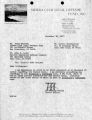
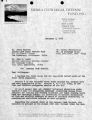
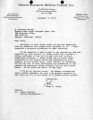
Correspondence regarding the Bonneville Unit of the Central Utah Project; from the The Dorothy Harvey papers (1902-2005), a collection of materials focusing on the Central Utah Project (CUP), a water resource development program to use Utah's alloted share of the Colorado River. Includes correspondence, federal documents, project litigation materials. |
| Subject |
Central Utah Project. Bonneville Unit; Colorado River Storage Project (U.S.); Ute Indians--Claims; Water resources development--Environmental aspects--Utah; Natural resources--Environmental aspects--Utah; Natural resources--Management--Utah; Strawberry Aqueduct |
| Contributor |
Dominy, Floyd E.; Crow, John O.; Raskin, David C.; McConkie, A. R.; Hayes, Lillian; Hamre, Vern; Ruckel, H. Anthony; Zeller, Henry M.; Black, Kenneth E.; McGuire, John R.; Quarles, John R.; Reed, Nathaniel P.; Lynn, Laurence E.; Jellinek, Steven; Oberhansly, Curtis K.; Horton, Jack O.; Leshy, John D.; McComb, John |
| Additional Information |
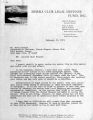
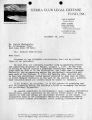
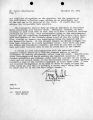
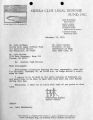
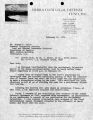
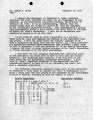
Includes: Memo on agreement between the Ute Indian Tribe, Central Utah Water Conservancy District, Bureau of Indian Affairs, and Bureau of Reclamation on deferment of development of Indian lands for irrigation, and other matters; Letters from the Sierra Club, Forest Service, Fish and Wildlife Service, Natural Resources Defense Council; Memos describing government principles and standards for evaluating water projects; Program Decision Option Document, Bonneville Unit - Central Utah Project; Letters between Sierra Club Legal Defense Fund and Curtis Oberhansly regarding Sierra Club, et al. v. Stamm, et al.; Corrections on Transcript of January 30, 1974 Deposition of Assistant Secretary Reed in case of Sierra Club, et al. v. Stamm, et al.; Statement of John McComb in United States District Court for the District of Utah case: Sierra Club, a non-profit California corporation, et al., Plaintiffs, vs. Gilbert Stamm, individually and as Commissioner, U. S. Bureau of Reclamation, et al., Defendants |
| Spatial Coverage |
Uintah and Ouray Indian Reservation (Utah); Duchesne River (Utah); Uinta River (Utah); Duchesne (Utah); Colorado River Watershed (Colo.-Mexico); Uinta Mountains (Utah and Wyo.); Green River (Wyo.-Utah); Ashley National Forest (Utah and Wyo.); Uinta National Forest (Utah); Wasatch National Forest (Utah and Wyo.); Salt Lake City (Utah); Strawberry Reservoir (Utah); Utah Lake (Utah); Jordanelle Reservoir (Utah); Provo River (Utah) |
| Collection Number and Name |
Accn2232 Bx118 Fd1; Dorothy Harvey papers |
| Rights Management |
Digital Image © 2010 University of Utah. All Rights Reserved. |
| Holding Institution |
J. Willard Marriott Library, University of Utah |
| Date |
1965; 1972; 1973; 1974 |
| Digitization Specifications |
Original scanned on Epson Expression 10000 XL and saved as 400 ppi TIFF. Display image generated in Contentdm. |
| Publisher |
Digitized by J. Willard Marriott Library, University of Utah |
| Type |
Text |
| ARK |
ark:/87278/s6n58kbp |
| Setname |
wwdl_neh |
| ID |
1155193 |
| Reference URL |
https://collections.lib.utah.edu/ark:/87278/s6n58kbp |
| Title |
Page 131 |
| Setname |
wwdl_neh |
| ID |
1155125 |
| OCR Text |
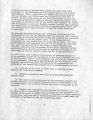
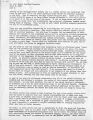
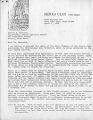
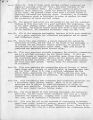
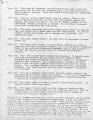
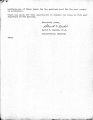
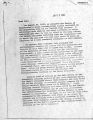
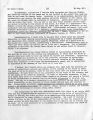
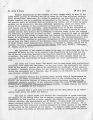
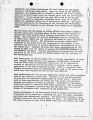
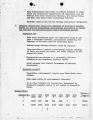
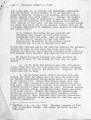
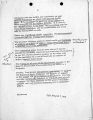
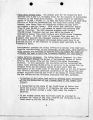
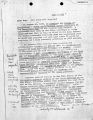
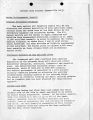
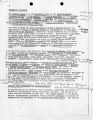
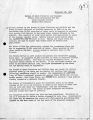
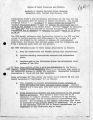
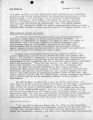
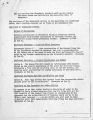
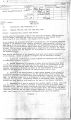
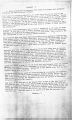
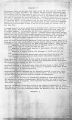
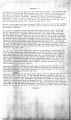
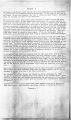
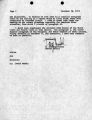
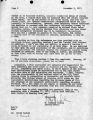
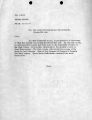
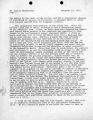
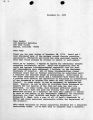
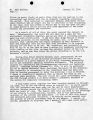
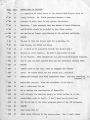
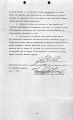
Show Faxogram - 3 Furthermore, there are far more water right claims for Utah Lake and Jordan River water than the supply available. For example, Kennecott Copper Corporation^uses all the water from the Lake available under its right, which is early in priority. It is estimated that by 198O about 30,000 acre-feet of low quality water from the lake will be converted for such industrial use. During the same period it is expected that additional wells will be put down for an added 20,000 acre-feet annually of industrial water. It is estimated that not more than 6,000 acre-feet of high quality water will be available in Salt Lake County by about 1990 from irrigation conversions and the rights to most if not all of this water are already owned by Salt Lake City. If ground water is to be an alternative to Bonneville Unit imports for M&I use in Salt Lake County, then the average long-term ground water yield must equal that . of surface supplies. In developing the Unit plan, conjunctive use was made of available surface and ground water supplies. Frontal streams an^..present surface imports were used to the fullest extent possible, then ground water supplies (both base and peaking) were utilized to the maximum extent consistent with existing physical, legal, and economic constraints and the impact on existing rights. Those who would contend that an additional 7^,000 acre-feet of ground water can be developed in Salt Lake County without "serious adverse effects" are ignoring the environmental impacts demonstrated by the USGS analog model studies. These include: .Depletion of base flows and effect on existing rights of the Jordan River in the order of 50,000 acre-feet per year. Reduction in groundwater supplies to phreatophyte (wildlife) areas.. of U0,000Aacre-feet per year. Reduction in present flowing well discharge of 15,000 acre-feet per year. Developing additional ground water would only divert the water away from the above existing uses and would require replacement supplies. Under water demand projections, we have already included utilization of 12,000 acre-feet of high quality M&I water.accruing from anticipated private development. This satisfies such demands for only 2 or 3 years. Artificial recharge of the ground water basin with Deer Creek or other storage . water is not currently practical. Better control of impounded water would be realized by leaving it in surface reservoirs. Long-term forecasting techniques are not presently available to show when carryover storage ;water is subject to spill In future years. It is easy to say that v spilled water should have been used to recharge the underground. It is presently'not-practical or economically possible to divert high flows to the underground; extensive holding ponds, desilting works, and large recharge well capacity would be required. Such facilities would operate over a very short time period each year. There is a management alternative related to the timing of.construction of Little Dell Dam and Reservoir as to before or after the Bonneville Unit-. The yield would be somewhat higher if it were constructed before the Bonneville Unit, but the costs of . ^ Faxogram - 3 Y ' «^, m |
| Reference URL |
https://collections.lib.utah.edu/ark:/87278/s6n58kbp/1155125 |