| Title |
Correspondence on Bonneville Unit of Central Utah Project |
| Description |
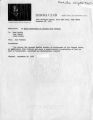
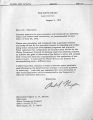
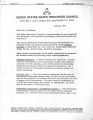
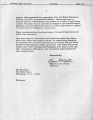
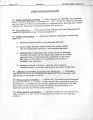
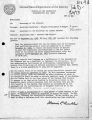
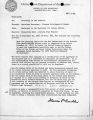
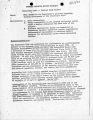
Correspondence regarding the Bonneville Unit of the Central Utah Project; from the The Dorothy Harvey papers (1902-2005), a collection of materials focusing on the Central Utah Project (CUP), a water resource development program to use Utah's alloted share of the Colorado River. Includes correspondence, federal documents, project litigation materials. |
| Subject |
Central Utah Project. Bonneville Unit; Colorado River Storage Project (U.S.); Ute Indians--Claims; Water resources development--Environmental aspects--Utah; Natural resources--Environmental aspects--Utah; Natural resources--Management--Utah; Strawberry Aqueduct |
| Contributor |
Dominy, Floyd E.; Crow, John O.; Raskin, David C.; McConkie, A. R.; Hayes, Lillian; Hamre, Vern; Ruckel, H. Anthony; Zeller, Henry M.; Black, Kenneth E.; McGuire, John R.; Quarles, John R.; Reed, Nathaniel P.; Lynn, Laurence E.; Jellinek, Steven; Oberhansly, Curtis K.; Horton, Jack O.; Leshy, John D.; McComb, John |
| Additional Information |
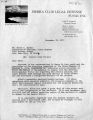
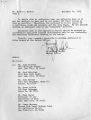
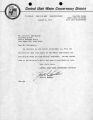
Includes: Memo on agreement between the Ute Indian Tribe, Central Utah Water Conservancy District, Bureau of Indian Affairs, and Bureau of Reclamation on deferment of development of Indian lands for irrigation, and other matters; Letters from the Sierra Club, Forest Service, Fish and Wildlife Service, Natural Resources Defense Council; Memos describing government principles and standards for evaluating water projects; Program Decision Option Document, Bonneville Unit - Central Utah Project; Letters between Sierra Club Legal Defense Fund and Curtis Oberhansly regarding Sierra Club, et al. v. Stamm, et al.; Corrections on Transcript of January 30, 1974 Deposition of Assistant Secretary Reed in case of Sierra Club, et al. v. Stamm, et al.; Statement of John McComb in United States District Court for the District of Utah case: Sierra Club, a non-profit California corporation, et al., Plaintiffs, vs. Gilbert Stamm, individually and as Commissioner, U. S. Bureau of Reclamation, et al., Defendants |
| Spatial Coverage |
Uintah and Ouray Indian Reservation (Utah); Duchesne River (Utah); Uinta River (Utah); Duchesne (Utah); Colorado River Watershed (Colo.-Mexico); Uinta Mountains (Utah and Wyo.); Green River (Wyo.-Utah); Ashley National Forest (Utah and Wyo.); Uinta National Forest (Utah); Wasatch National Forest (Utah and Wyo.); Salt Lake City (Utah); Strawberry Reservoir (Utah); Utah Lake (Utah); Jordanelle Reservoir (Utah); Provo River (Utah) |
| Collection Number and Name |
Accn2232 Bx118 Fd1; Dorothy Harvey papers |
| Rights Management |
Digital Image © 2010 University of Utah. All Rights Reserved. |
| Holding Institution |
J. Willard Marriott Library, University of Utah |
| Date |
1965; 1972; 1973; 1974 |
| Digitization Specifications |
Original scanned on Epson Expression 10000 XL and saved as 400 ppi TIFF. Display image generated in Contentdm. |
| Publisher |
Digitized by J. Willard Marriott Library, University of Utah |
| Type |
Text |
| ARK |
ark:/87278/s6n58kbp |
| Setname |
wwdl_neh |
| ID |
1155193 |
| Reference URL |
https://collections.lib.utah.edu/ark:/87278/s6n58kbp |
| Title |
Page 42 |
| Setname |
wwdl_neh |
| ID |
1155036 |
| OCR Text |
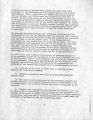
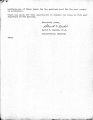
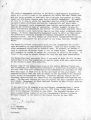
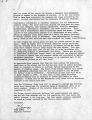
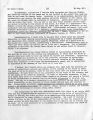
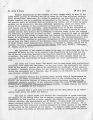
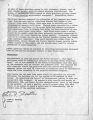
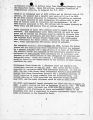
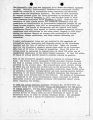
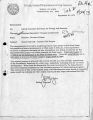
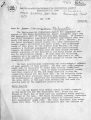
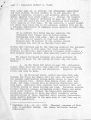
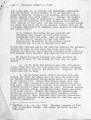
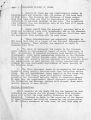
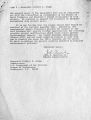
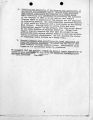
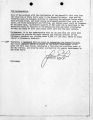
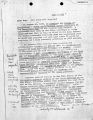
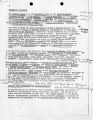
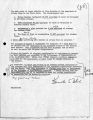
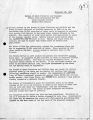
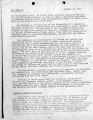
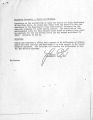
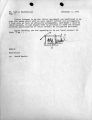
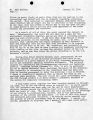
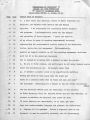
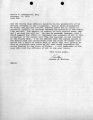
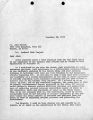
Show <r Mr David G Hanna - (5) 30 July 1973 with Federal law which makes a state responsible for water quality within its boundaries? It cannot be successfully argued that such matters do not belong in a basin plan. Under the current Federal water quality law, a number of responsibilities are placed squarely on the state, and a basin plan, which comes under one- of these responsibilities, must be comprehensive to bo adequate. It must also provide measures to permit the state to carry out its responsibilities in those cases where the present setup is inadequate. Whether or not the organization of state government in New liexico places a full-scale delegation of responsibility in this field on the EIA, this is irrelevant, for the State responsibility is definite and the EIA in this case is the executive agent of the State. The EIA must prepare the basin plans, and if the agency has not received full-scale delegation then it is the function of the other state agencies involved to maize up the difference through cooperation in order to cover the whole breadth of the State responsibility. It is recognized that the current July 1972 version of the Lower Rio Grande Basin Plan was jjrepared prior to passage of .the Federal Water Pollution Control Act Amendments of 1972, which is now in effect, but the plan needs considerable revision to brin,g it into accord with the law. It should be redrafted in accordance with Part 131, Code of Federal Regulations, on Water Quality l-;anage-ment Plans. A major amendment must lay the basis for an acceptable State permit program under the National Pollutant Discharge Elimination System, provided the State does not wish to resign itself to Federal administration of the NPDES tration is bound to bring many problems to the State which will.surely strain any such resignation. Such problems will be solved with less friction if the State goes ahead to solve its own difficulties, accepting the autonomy permitted by the law. By the way, an interesting question at present is as to the submittal of permit applications by the point sources listed in Figure 9, Page 16. The great majority of these sources should either submit NPDES applications or should show that they are exempt (in the case of minor agricultural outlets). It is noted that only two sources submitted applications under the old Refuse Act Permit System. Being written prior to the passage of the 1972 Amendments, this basin plan is not in the spirit of the new legislation, which states goals that demand improvements in water quality. I recommend that the plan be rewritten in the spirit of the present law and taking; the above comments into account. Thank you again.forthis opportunity to submit comments. Sincerely yours v Henry H Zeller Water Resource Studies |
| Reference URL |
https://collections.lib.utah.edu/ark:/87278/s6n58kbp/1155036 |