| Title |
Correspondence on Bonneville Unit of Central Utah Project |
| Description |
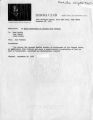
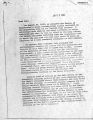
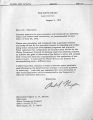
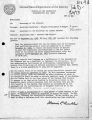
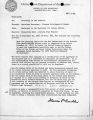
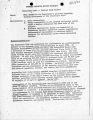
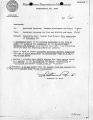
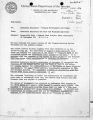
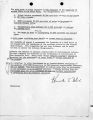
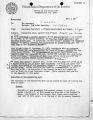
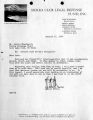
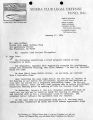
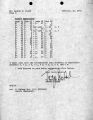
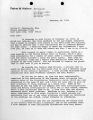
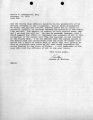
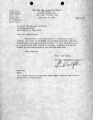
Correspondence regarding the Bonneville Unit of the Central Utah Project; from the The Dorothy Harvey papers (1902-2005), a collection of materials focusing on the Central Utah Project (CUP), a water resource development program to use Utah's alloted share of the Colorado River. Includes correspondence, federal documents, project litigation materials. |
| Subject |
Central Utah Project. Bonneville Unit; Colorado River Storage Project (U.S.); Ute Indians--Claims; Water resources development--Environmental aspects--Utah; Natural resources--Environmental aspects--Utah; Natural resources--Management--Utah; Strawberry Aqueduct |
| Contributor |
Dominy, Floyd E.; Crow, John O.; Raskin, David C.; McConkie, A. R.; Hayes, Lillian; Hamre, Vern; Ruckel, H. Anthony; Zeller, Henry M.; Black, Kenneth E.; McGuire, John R.; Quarles, John R.; Reed, Nathaniel P.; Lynn, Laurence E.; Jellinek, Steven; Oberhansly, Curtis K.; Horton, Jack O.; Leshy, John D.; McComb, John |
| Additional Information |
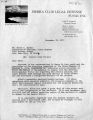
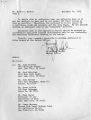
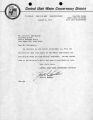
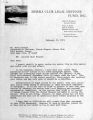
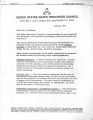
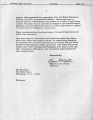
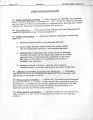
Includes: Memo on agreement between the Ute Indian Tribe, Central Utah Water Conservancy District, Bureau of Indian Affairs, and Bureau of Reclamation on deferment of development of Indian lands for irrigation, and other matters; Letters from the Sierra Club, Forest Service, Fish and Wildlife Service, Natural Resources Defense Council; Memos describing government principles and standards for evaluating water projects; Program Decision Option Document, Bonneville Unit - Central Utah Project; Letters between Sierra Club Legal Defense Fund and Curtis Oberhansly regarding Sierra Club, et al. v. Stamm, et al.; Corrections on Transcript of January 30, 1974 Deposition of Assistant Secretary Reed in case of Sierra Club, et al. v. Stamm, et al.; Statement of John McComb in United States District Court for the District of Utah case: Sierra Club, a non-profit California corporation, et al., Plaintiffs, vs. Gilbert Stamm, individually and as Commissioner, U. S. Bureau of Reclamation, et al., Defendants |
| Spatial Coverage |
Uintah and Ouray Indian Reservation (Utah); Duchesne River (Utah); Uinta River (Utah); Duchesne (Utah); Colorado River Watershed (Colo.-Mexico); Uinta Mountains (Utah and Wyo.); Green River (Wyo.-Utah); Ashley National Forest (Utah and Wyo.); Uinta National Forest (Utah); Wasatch National Forest (Utah and Wyo.); Salt Lake City (Utah); Strawberry Reservoir (Utah); Utah Lake (Utah); Jordanelle Reservoir (Utah); Provo River (Utah) |
| Collection Number and Name |
Accn2232 Bx118 Fd1; Dorothy Harvey papers |
| Rights Management |
Digital Image © 2010 University of Utah. All Rights Reserved. |
| Holding Institution |
J. Willard Marriott Library, University of Utah |
| Date |
1965; 1972; 1973; 1974 |
| Digitization Specifications |
Original scanned on Epson Expression 10000 XL and saved as 400 ppi TIFF. Display image generated in Contentdm. |
| Publisher |
Digitized by J. Willard Marriott Library, University of Utah |
| Type |
Text |
| ARK |
ark:/87278/s6n58kbp |
| Setname |
wwdl_neh |
| ID |
1155193 |
| Reference URL |
https://collections.lib.utah.edu/ark:/87278/s6n58kbp |
| Title |
Page 77 |
| Setname |
wwdl_neh |
| ID |
1155071 |
| OCR Text |
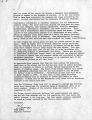
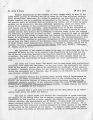
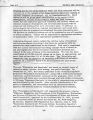
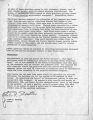
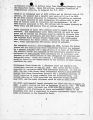
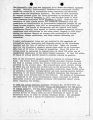
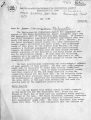
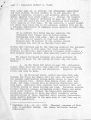
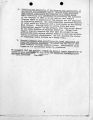
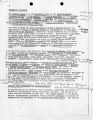
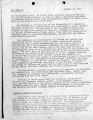
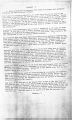
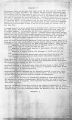
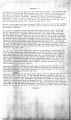
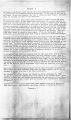
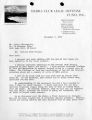
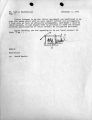
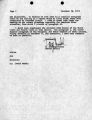
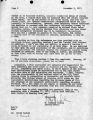
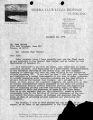
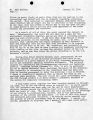
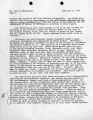
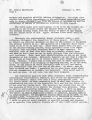
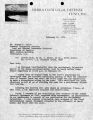
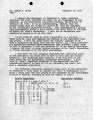
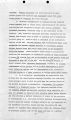
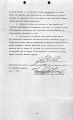
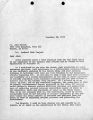
Show fage 2 - Honorable Gilbert G. Stamm this large lake is, at present, not adequately understood and that without further studies it is not possible to properly identify, evaluate, and minimize adverse environmental impacts that would result...". Without the benefit of the "further studies" discussed on page 245, we cannot agree with the assertion that Unit operation will improve water quality in Utah Lake. To the contrary, a recent study1 has shown that Provo Bay in its present, undiked form may be a valuable contributor to adequate water quality in Utah Lake. The authors state: It is evident that Provo Bay was removing the effluents that flowed into it before being discharged into Utah Lake. This is important to the overall quality of Utah Lake water because over 40 percent of the surface waters entering the lake do so through Provo Bay. Noting that nitrogen may be the limiting nutrient for nuisance species of algae in Utah Lake, the study concludes: "An increase in nutrients (particularly nitrogen) would create a much greater algal nuisance than normally would be expected." We expect increased nutrient and algae problems in Utah Lake if plans for the diking of Provo Bay are implemented : a. As the final EIS notes on page 272, irrigation return flows directed into Utah Lake will contain increased concentrations of nitrates and phosphates. Organics and TDS levels may also be high. b. As discussed above, waters entering Utah Lake through the Provo Bay Bypass will not have the benefit of the natural purification system which exists in Provo Bay in its present form. Waters from Hobble Creek, Hill Race Creek, and other streams will be directly discharged into Utah Lake. Available data indicate that nutrient, BOD, and coliform levels in these streams are high. Pollutant sources include domestic sewage, irrigation return flows, and urban storm water runoff. Without the biological purification mechanisms available in Provo Bay which currently reduce concentrations of these important water quality parameters, water quality problems in the main body of Utah Lake may be seriously aggravated. Bradshaw, J.S., et. al,, 1973. Chemical response of Utah Lake to nutrient inflow. Jnl. Water Pollution Control Federation |
| Reference URL |
https://collections.lib.utah.edu/ark:/87278/s6n58kbp/1155071 |