| Title |
Correspondence on Bonneville Unit of Central Utah Project |
| Description |
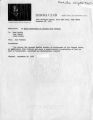
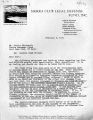
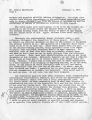
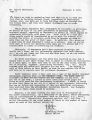
Correspondence regarding the Bonneville Unit of the Central Utah Project; from the The Dorothy Harvey papers (1902-2005), a collection of materials focusing on the Central Utah Project (CUP), a water resource development program to use Utah's alloted share of the Colorado River. Includes correspondence, federal documents, project litigation materials. |
| Subject |
Central Utah Project. Bonneville Unit; Colorado River Storage Project (U.S.); Ute Indians--Claims; Water resources development--Environmental aspects--Utah; Natural resources--Environmental aspects--Utah; Natural resources--Management--Utah; Strawberry Aqueduct |
| Contributor |
Dominy, Floyd E.; Crow, John O.; Raskin, David C.; McConkie, A. R.; Hayes, Lillian; Hamre, Vern; Ruckel, H. Anthony; Zeller, Henry M.; Black, Kenneth E.; McGuire, John R.; Quarles, John R.; Reed, Nathaniel P.; Lynn, Laurence E.; Jellinek, Steven; Oberhansly, Curtis K.; Horton, Jack O.; Leshy, John D.; McComb, John |
| Additional Information |
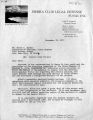
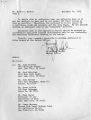
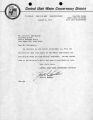
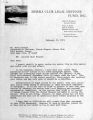
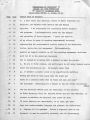
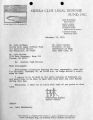
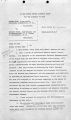
Includes: Memo on agreement between the Ute Indian Tribe, Central Utah Water Conservancy District, Bureau of Indian Affairs, and Bureau of Reclamation on deferment of development of Indian lands for irrigation, and other matters; Letters from the Sierra Club, Forest Service, Fish and Wildlife Service, Natural Resources Defense Council; Memos describing government principles and standards for evaluating water projects; Program Decision Option Document, Bonneville Unit - Central Utah Project; Letters between Sierra Club Legal Defense Fund and Curtis Oberhansly regarding Sierra Club, et al. v. Stamm, et al.; Corrections on Transcript of January 30, 1974 Deposition of Assistant Secretary Reed in case of Sierra Club, et al. v. Stamm, et al.; Statement of John McComb in United States District Court for the District of Utah case: Sierra Club, a non-profit California corporation, et al., Plaintiffs, vs. Gilbert Stamm, individually and as Commissioner, U. S. Bureau of Reclamation, et al., Defendants |
| Spatial Coverage |
Uintah and Ouray Indian Reservation (Utah); Duchesne River (Utah); Uinta River (Utah); Duchesne (Utah); Colorado River Watershed (Colo.-Mexico); Uinta Mountains (Utah and Wyo.); Green River (Wyo.-Utah); Ashley National Forest (Utah and Wyo.); Uinta National Forest (Utah); Wasatch National Forest (Utah and Wyo.); Salt Lake City (Utah); Strawberry Reservoir (Utah); Utah Lake (Utah); Jordanelle Reservoir (Utah); Provo River (Utah) |
| Collection Number and Name |
Accn2232 Bx118 Fd1; Dorothy Harvey papers |
| Rights Management |
Digital Image © 2010 University of Utah. All Rights Reserved. |
| Holding Institution |
J. Willard Marriott Library, University of Utah |
| Date |
1965; 1972; 1973; 1974 |
| Digitization Specifications |
Original scanned on Epson Expression 10000 XL and saved as 400 ppi TIFF. Display image generated in Contentdm. |
| Publisher |
Digitized by J. Willard Marriott Library, University of Utah |
| Type |
Text |
| ARK |
ark:/87278/s6n58kbp |
| Setname |
wwdl_neh |
| ID |
1155193 |
| Reference URL |
https://collections.lib.utah.edu/ark:/87278/s6n58kbp |
| Title |
Page 14 |
| Setname |
wwdl_neh |
| ID |
1155008 |
| OCR Text |
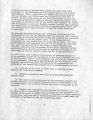
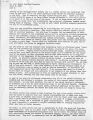
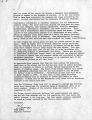
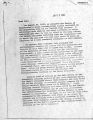
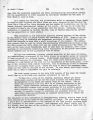
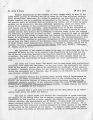
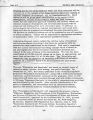
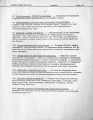
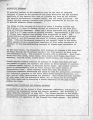
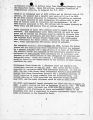
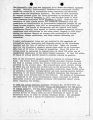
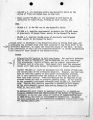
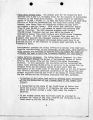
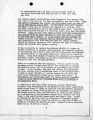
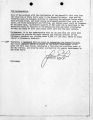
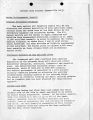
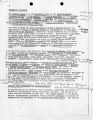
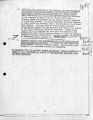
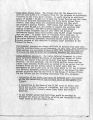
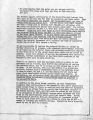
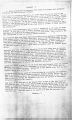
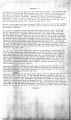
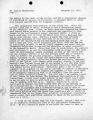
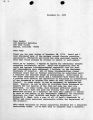
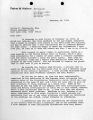
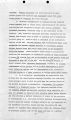
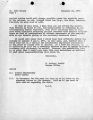
Show ^ireeLor, Water Resources Council March 27, 1972 page 4. In order to avoid such problems, the currently proposed regional development account should be eliminated or drastically revised to consider the total national economic impact. Also, the use of the regional development account often leads to double counting of economic benefits and results in an inflated benefit/ cost ratio. Another problem in calculating benefit/cost ratios arises from the way in which secondary benefits are included, whereas secondary costs are often ignored. For example, income from construction funds is taken as a positive benefit by adding to the income of the local area, whereas the loss of tourist dollars incurred by the destruction of a popular trout stream or the inundation of a scenic area is not counted in terms of a secondary loss. Thus, the procedures are deliberately designed to show favorable outcomes to support the construction of. the project. In addition, no economic losses are typically charged to the loss of so-called "intangibles" such as esthetics, scenery--, wilderness, wildlife and vegetation. Often, the losses of the latter far outweigh any economic gains which may accrue, yet the economic factors are usually the major determinants. In addition, the future value of losses is,seldom fully considered. Although the loss of a trout stream now may be given a certain value, the future value of that resource will undoubtedly be far greater than its current value. As more and more streams are lost to water development projects, the available supply of such resources will rapidly diminish and the value will consequently increase. Also, the demand on such resources is growing at an exponential rate due to increases in leisure time and the need for such outdoor experiences as a result of the urbanization of the country. Thus, future value of environomental losses should be given full consideration in the benefit/cost ratio. Along those lines, the highest priority should be given to environmental quality. Although economio well-being is very important, the biological constraints within our ecosystem pay no heed to man's inventions. Thus, if we destroy our life support systems in our efforts to promote economic development, |
| Reference URL |
https://collections.lib.utah.edu/ark:/87278/s6n58kbp/1155008 |