| Title |
Correspondence on Bonneville Unit of Central Utah Project |
| Description |
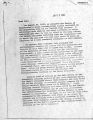
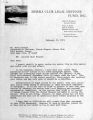
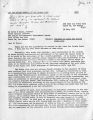
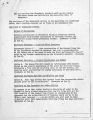
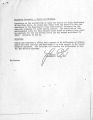
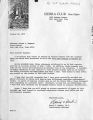
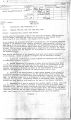
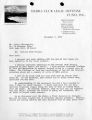
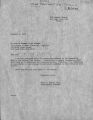
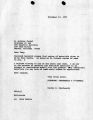
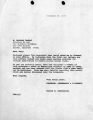
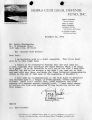
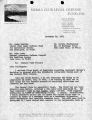
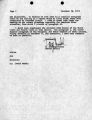
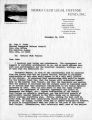
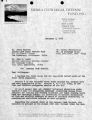
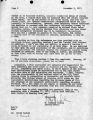
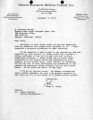
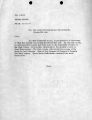
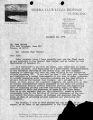
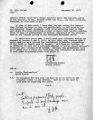
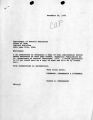
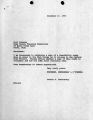
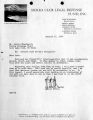
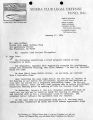
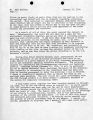
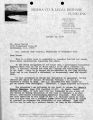
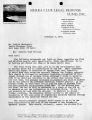
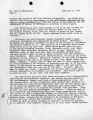
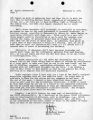
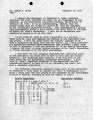
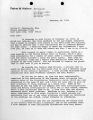
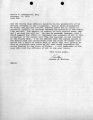
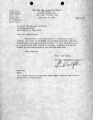
Correspondence regarding the Bonneville Unit of the Central Utah Project; from the The Dorothy Harvey papers (1902-2005), a collection of materials focusing on the Central Utah Project (CUP), a water resource development program to use Utah's alloted share of the Colorado River. Includes correspondence, federal documents, project litigation materials. |
| Subject |
Central Utah Project. Bonneville Unit; Colorado River Storage Project (U.S.); Ute Indians--Claims; Water resources development--Environmental aspects--Utah; Natural resources--Environmental aspects--Utah; Natural resources--Management--Utah; Strawberry Aqueduct |
| Contributor |
Dominy, Floyd E.; Crow, John O.; Raskin, David C.; McConkie, A. R.; Hayes, Lillian; Hamre, Vern; Ruckel, H. Anthony; Zeller, Henry M.; Black, Kenneth E.; McGuire, John R.; Quarles, John R.; Reed, Nathaniel P.; Lynn, Laurence E.; Jellinek, Steven; Oberhansly, Curtis K.; Horton, Jack O.; Leshy, John D.; McComb, John |
| Additional Information |
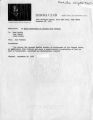
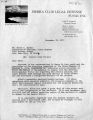
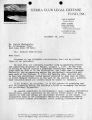
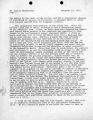
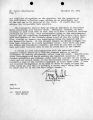
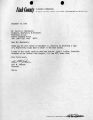
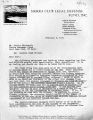
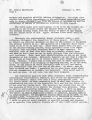
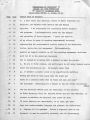
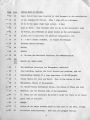
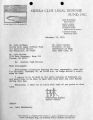
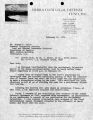
Includes: Memo on agreement between the Ute Indian Tribe, Central Utah Water Conservancy District, Bureau of Indian Affairs, and Bureau of Reclamation on deferment of development of Indian lands for irrigation, and other matters; Letters from the Sierra Club, Forest Service, Fish and Wildlife Service, Natural Resources Defense Council; Memos describing government principles and standards for evaluating water projects; Program Decision Option Document, Bonneville Unit - Central Utah Project; Letters between Sierra Club Legal Defense Fund and Curtis Oberhansly regarding Sierra Club, et al. v. Stamm, et al.; Corrections on Transcript of January 30, 1974 Deposition of Assistant Secretary Reed in case of Sierra Club, et al. v. Stamm, et al.; Statement of John McComb in United States District Court for the District of Utah case: Sierra Club, a non-profit California corporation, et al., Plaintiffs, vs. Gilbert Stamm, individually and as Commissioner, U. S. Bureau of Reclamation, et al., Defendants |
| Spatial Coverage |
Uintah and Ouray Indian Reservation (Utah); Duchesne River (Utah); Uinta River (Utah); Duchesne (Utah); Colorado River Watershed (Colo.-Mexico); Uinta Mountains (Utah and Wyo.); Green River (Wyo.-Utah); Ashley National Forest (Utah and Wyo.); Uinta National Forest (Utah); Wasatch National Forest (Utah and Wyo.); Salt Lake City (Utah); Strawberry Reservoir (Utah); Utah Lake (Utah); Jordanelle Reservoir (Utah); Provo River (Utah) |
| Collection Number and Name |
Accn2232 Bx118 Fd1; Dorothy Harvey papers |
| Rights Management |
Digital Image © 2010 University of Utah. All Rights Reserved. |
| Holding Institution |
J. Willard Marriott Library, University of Utah |
| Date |
1965; 1972; 1973; 1974 |
| Digitization Specifications |
Original scanned on Epson Expression 10000 XL and saved as 400 ppi TIFF. Display image generated in Contentdm. |
| Publisher |
Digitized by J. Willard Marriott Library, University of Utah |
| Type |
Text |
| ARK |
ark:/87278/s6n58kbp |
| Setname |
wwdl_neh |
| ID |
1155193 |
| Reference URL |
https://collections.lib.utah.edu/ark:/87278/s6n58kbp |
| Title |
Page 22 |
| Setname |
wwdl_neh |
| ID |
1155016 |
| OCR Text |
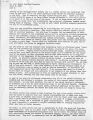
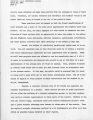
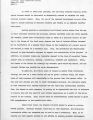
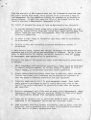
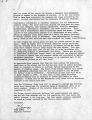
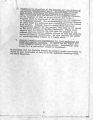
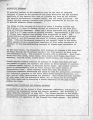
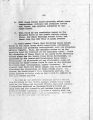
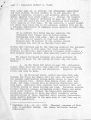
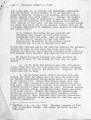
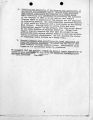
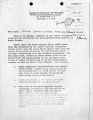
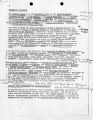
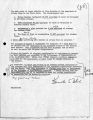
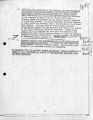
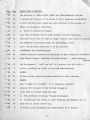
Show From the analysis of the resource base and the information received from the public during this study, there appears to be a need for a type of land management falling somewhere between the extremes of wilderness or non-wilderness. To meet this need the Chief of the Forest Service has recently approved a Back-Country Management Policy. The Intent of designating areas of land as Back-Country are threefold: i. To provide National Forest areas which afford opportunities for high guaiity, near-primitive dispersed recreational opportunities away from public roads and most other developments, where the environment is relatively unmodified. 2. To offer a wider range of recreation experience than is permissible in WIIderness, and 3. To help relieve the recreation pressures threatening overuse of WiIderness. In Back-Country areas, scenery and natural landscapes are maintained and protected and wildlife values are maintained or enhanced. Unlike Wilderness, in Back-Country the natural ecological succession need not a I ways be encouraged; some manipulation is permissible. Following are some of the guidelines under which Back-Country areas would be managed: 1. Where compatible with recreation objectives, timber could be harvested to improve wiIdlife habitat, to salvage areas of blowdown or fire or insect damage, or to maintain favorable Forest conditions. 2. Simple comfort and convenience items such as shelters, water and sanitation facilities, and fireplaces may be provided as necessary to meet the needs of resource protection and user enjoyment. 3. Temporary roads may be built fo meet management needs. Such roads would generally be closed to public travel during the life of the benefitting project and would be physically closed when the project was completed. 4. Resource management activities such as water yield improvements, range management, and timber harvests would be limited to those which would not significantly detract from recreation objectives. / 5.\ Areas may be closed to ail or particular forms of motor vehicle use > depending on the management objectives for individual areas. 6. Land occupancy involving surface disturbance, such as power linos and pipelines, may be permitted only if there is no feasible alternative in the face of a clearly demonstrated need. |
| Reference URL |
https://collections.lib.utah.edu/ark:/87278/s6n58kbp/1155016 |