| OCR Text |
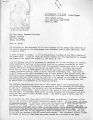
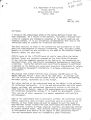
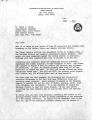
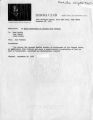
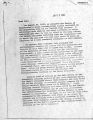
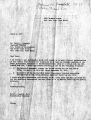
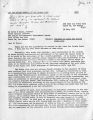
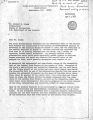
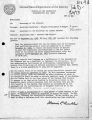
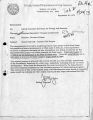
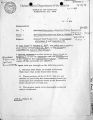
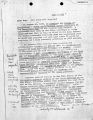
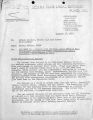
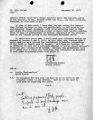
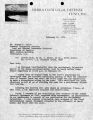
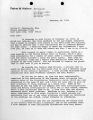
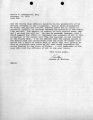
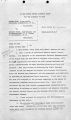
Show * %JL 73 c ^ ^ v<??2~ 7 y Santa Fe, New Mexico y 87501 30 July 1973 My David G Hanna, Planner Water Quality division New Mexico liivironmental Improvement Agency Post Office Box 2348 Santa Fe, Hew Mexico 875OI Subject: Comments on Lower Rio Grande_ Basin Plan Dear Mr Hanna: Thank you for the opportunity to comment on the Lower Rio Grande Basin Plan. I hope you may find these comments of some value. Generally, this basin plan provides a good description of the problem of water quality maintenance and improvement in the Lower Rio Grande Basin as it is known in the half-light of the present ignorance. It is hardly a real plan, however, the only definite action described being the Improvement of the four unsatisfactory municipal treatment plants in the basin, action which is already under way." Yet, although this is an action that should certainly proceed, it is relatively unimportant to the long-term solution of the main problems of the basin (see first paragraph of Sub-Section IV/D, Page 63). The basin plan does not address itself directly to the solution of these main problems (see lead paragraph, Section IV). Having, this deficiency in mind, it is particularly upsetting to anyone interested in improving water quality to learn that the "Environmental Improvement Agency is not capable of the comprehensive coordination with other planning agencies, interstate basin commissions, etc, which is necessary to establish and maintain the water quality management plans and programs outlined above" (see Sub-Section IV/C, bottom of Page 62). Such coordination is absolutely necessary to the accomplishment of the mission of the EIA, for these other agencies control many of the actions and means that are necessary to comprehensive pians and management. As a matter of fact, such coordination is absolutely necessary to the success of all State agencies with responsibilities having to do with water, because water resource management cannot be fragmented if beneficial results are to be obtained. It is obvious that if the EIA discharges its functions effectively, all will benefit, because water quality is becoming ever more important to water supply for all uses. As time goes on and demand for water increases with population growth, water supply will become more and more a function of water quality. The maintenance and improvement of water quality is a much more efficient way, buth economically and ecologically, to meet demands for water, thus increasing tae usefulness of the available water supply through permitting repeated re- |