| Title |
Correspondence on Bonneville Unit of Central Utah Project |
| Description |
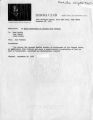
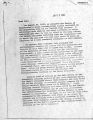
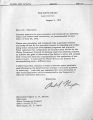
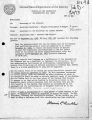
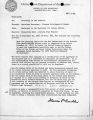
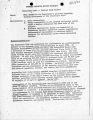
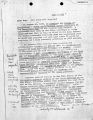
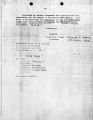
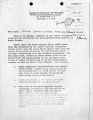
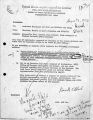
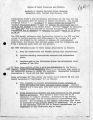
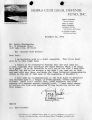
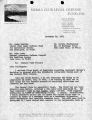
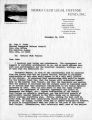
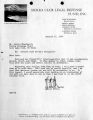
Correspondence regarding the Bonneville Unit of the Central Utah Project; from the The Dorothy Harvey papers (1902-2005), a collection of materials focusing on the Central Utah Project (CUP), a water resource development program to use Utah's alloted share of the Colorado River. Includes correspondence, federal documents, project litigation materials. |
| Subject |
Central Utah Project. Bonneville Unit; Colorado River Storage Project (U.S.); Ute Indians--Claims; Water resources development--Environmental aspects--Utah; Natural resources--Environmental aspects--Utah; Natural resources--Management--Utah; Strawberry Aqueduct |
| Contributor |
Dominy, Floyd E.; Crow, John O.; Raskin, David C.; McConkie, A. R.; Hayes, Lillian; Hamre, Vern; Ruckel, H. Anthony; Zeller, Henry M.; Black, Kenneth E.; McGuire, John R.; Quarles, John R.; Reed, Nathaniel P.; Lynn, Laurence E.; Jellinek, Steven; Oberhansly, Curtis K.; Horton, Jack O.; Leshy, John D.; McComb, John |
| Additional Information |
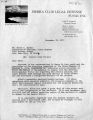
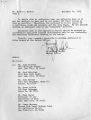
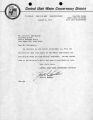
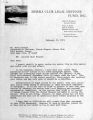
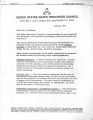
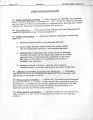
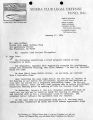
Includes: Memo on agreement between the Ute Indian Tribe, Central Utah Water Conservancy District, Bureau of Indian Affairs, and Bureau of Reclamation on deferment of development of Indian lands for irrigation, and other matters; Letters from the Sierra Club, Forest Service, Fish and Wildlife Service, Natural Resources Defense Council; Memos describing government principles and standards for evaluating water projects; Program Decision Option Document, Bonneville Unit - Central Utah Project; Letters between Sierra Club Legal Defense Fund and Curtis Oberhansly regarding Sierra Club, et al. v. Stamm, et al.; Corrections on Transcript of January 30, 1974 Deposition of Assistant Secretary Reed in case of Sierra Club, et al. v. Stamm, et al.; Statement of John McComb in United States District Court for the District of Utah case: Sierra Club, a non-profit California corporation, et al., Plaintiffs, vs. Gilbert Stamm, individually and as Commissioner, U. S. Bureau of Reclamation, et al., Defendants |
| Spatial Coverage |
Uintah and Ouray Indian Reservation (Utah); Duchesne River (Utah); Uinta River (Utah); Duchesne (Utah); Colorado River Watershed (Colo.-Mexico); Uinta Mountains (Utah and Wyo.); Green River (Wyo.-Utah); Ashley National Forest (Utah and Wyo.); Uinta National Forest (Utah); Wasatch National Forest (Utah and Wyo.); Salt Lake City (Utah); Strawberry Reservoir (Utah); Utah Lake (Utah); Jordanelle Reservoir (Utah); Provo River (Utah) |
| Collection Number and Name |
Accn2232 Bx118 Fd1; Dorothy Harvey papers |
| Rights Management |
Digital Image © 2010 University of Utah. All Rights Reserved. |
| Holding Institution |
J. Willard Marriott Library, University of Utah |
| Date |
1965; 1972; 1973; 1974 |
| Digitization Specifications |
Original scanned on Epson Expression 10000 XL and saved as 400 ppi TIFF. Display image generated in Contentdm. |
| Publisher |
Digitized by J. Willard Marriott Library, University of Utah |
| Type |
Text |
| ARK |
ark:/87278/s6n58kbp |
| Setname |
wwdl_neh |
| ID |
1155193 |
| Reference URL |
https://collections.lib.utah.edu/ark:/87278/s6n58kbp |
| Title |
Page 13 |
| Setname |
wwdl_neh |
| ID |
1155007 |
| OCR Text |
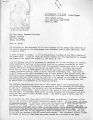
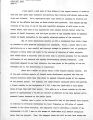
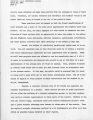
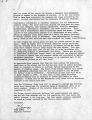
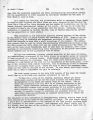
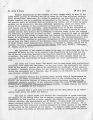
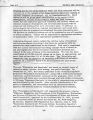
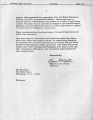
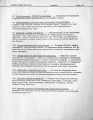
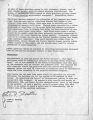
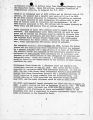
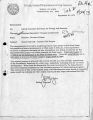
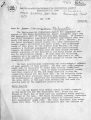
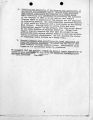
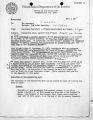
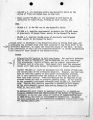
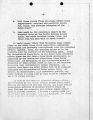
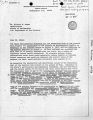
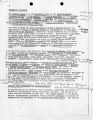
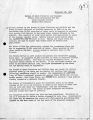
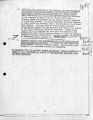
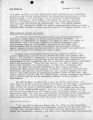
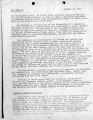
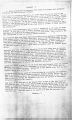
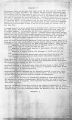
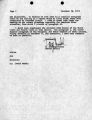
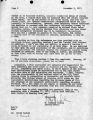
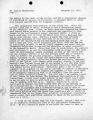
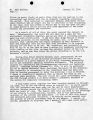
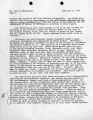
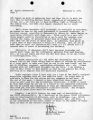
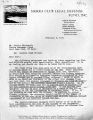
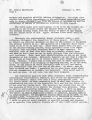
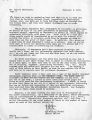
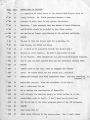
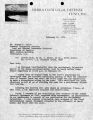
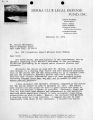
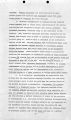
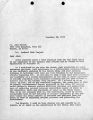
Show Director, water Resources Council March 27, 1972 page 3. receive large subsidies and make large profits from the increase in value of their lands. Meanwhile, our natural resources and recreation and wildlife values on the public lands are being destroyed by the use of the publics funds. These practices must be changed so that the direct beneficiaries of water projects pay a share of the costs which approximates the benefits which they receive. For too long, the small taxpayer has been forced to subsidize the beneficiaries of these projects with no opportunity to voice his wishes in the matter. All too often,the large landowners, railroad companies, agricultural corporations, and other special interests have taken advantage of the people in this way. Second, the methods of calculating benefit-cost ratios need to be revised. The most important step in this direction would be to utilize a discount rate which realistically represents the true opportunity cost of capital. Today we still have projects which are allowed to use the unrealistic rate of 2 5/8 $• In order to be realistic the discount rate should be set at 10$ which is a good approximation of the average rate of return on capital. Thus, projects financed by federal funds would have to meet the same economic tests as investments made in the private sector. In this way, the public would be assurred that its money is being used in ways which are to some extent economically sound. The 10 % rate should be applied to every project on which construction has not started or is, as yet, uncompleted. However, a realistic discount rate of 10 % would not guarantee the economic desirability of a project. Other factors are also of great importance. All too often the building of a federal reclamation project in the West produces very serious economic repercussions in other parts of the country. Farmers in the West who receive cheap, subsidized water from federal reclamation projects often gain a great economic advantage over farmers in other parts of the country. Thus, the regional economic advantages produced by such developments are often more than offset by economic losses incurred in other regions. |
| Reference URL |
https://collections.lib.utah.edu/ark:/87278/s6n58kbp/1155007 |