| OCR Text |
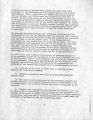
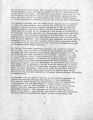
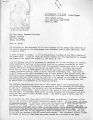
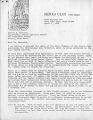
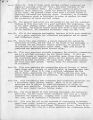
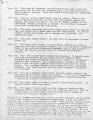
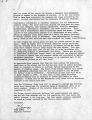
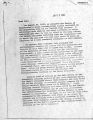
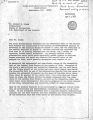
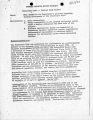
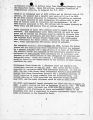
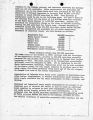
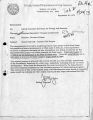
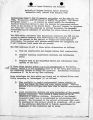
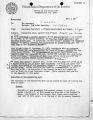
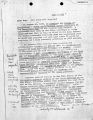
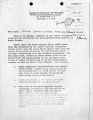
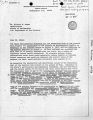
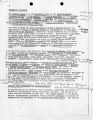
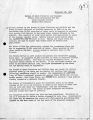
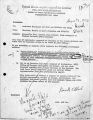
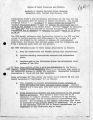
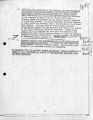
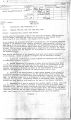
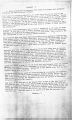
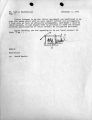
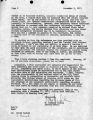
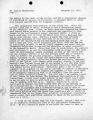
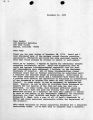
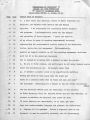
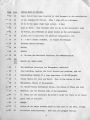
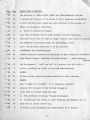
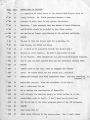
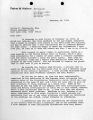
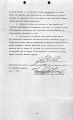
Show f • Mr. Vern Harare, Regional Forester March 8, 1972 page 2 Turning to the National Forest System, the U.S. Forest Service has determined that there is less than .6% of our state currently under review for possible inclusion in the HWPS. That is basically the High Uintas Primitive Area. There is an additional 2,462,000 acres of de facto Forest Service wilderness in Utah which amounts to to about 5i ot the land area of the state. If all of those acres were_added to the MPS, we would still have considerably less protected wilderness tharpur neighboring state of Wyoming. Thus, we need to work toward providing adequate protection for all of our wilderness lands. There are many compelling reasons why we must designate and protect as much of our remaining wilderness as possible. This rapidly dwindling resource serves a multitude of essential purposes. Not only does it provide for the possibility of maintaining some balance In our ecological system and for protecting valuable watersheds, but it also provides a wealth of opportunities for scientific study, spiritual renewal, recreation, and commerce with the natural environment. Already, many wilderness areas have become so heavily used that people must make advance reservations in order to visit them. Future needs for wilderness will continue to grow, and we must providefor the future by makmwise decisions today. All too often we hear the argument that designating lands as wilderness areas "locks them up" and prevents the majority of the people, especially the poor, from being able to go there. Nothing could be farther from the truth. Wilderness designation ensures that some small portion of the public lands will be reserved for the enjoyment of the people. We hear statements such as that made recently by the Regional Solicitor of the Department of the Interior that "only the rich or the intellectuals go there. We should be making a nation of nature lovers. We cannot let them be nature lovers without letting them get with nature." Is driving on highways through forests at 30-40 miles per hour what he meant by "getting with nature"? 0i*s is walking oh your own two feet in areas unspoiled by man's technological developments the waji to "get xd.th nature"? Also, when speaking of who has the economic means to go there, is driving a car or going by boat,or jeep,or snowmobile, or motorcycle the most inexpensive way to "get with nature"? It is obvious that there is no mode of travel which is cheaper and more available to all segments of our society than loc6- motion on foot. Such commodities as feet are available in equal abundance to poor and rich alike, although the poor seem better able to use them. As part of our plea for wilderness preservation for all of the people including our children and our children's children, the method of this current review requires some comment. We very much apreciate the work of the Forest Service in attempting to inventory all of the de facto wilderness areas in the National Forests. Certainly, that is a necessary first step toward making essential additions to the NWPS. However, we seriously question the manner and haste with which the study is being conducted, The Forest Service has worked on this inventory for only a few months, during which time the lands in question have been largely inaccessible due to haVvy snow pack. A great deal of valuable data cannot be obtained from the field under such conditions. Thus, a great deal of guesswork is necessary in the areas of ecology, recreational and scenic values, and a multitude of other considerations. Under such constraints it seems impossible to generate a compfte inventory which is normally required for other uses such as timber harvests. The public Is given little time and no opportunity to visit the areas and formulate recommendations, What is the great rush? If areas are given inadequate study, many prime candidates for wilderness designation will not be chosen for further study and will undoubtedly become the victims of intensive logging, mining, and other single-purpose uses. They will be permanently lost to the general public. Since there is |