| OCR Text |
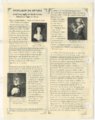
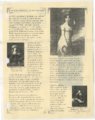
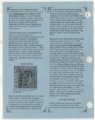
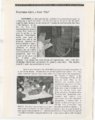
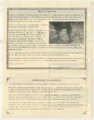
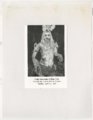
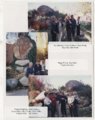
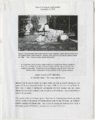
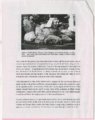
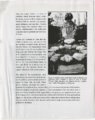
Show term was coined. Eclectic in form, it combines visual elements which evoke the ancient as well as the historical in the Western Tradition: Archaic rock arrangements (dolmens and menhirs ), Ancient sphinx forms, Old Testament altars and shrines, Michelangelo's late unfinished sculptures and the partially carved stones of Rodin. Visitors are surprised to learn that the Gilgal sculptures were not carved with the traditional sculptor's tools, chisel and hammer. Rather, an oxyacetylene torch was Brooks' means of removing the overlying rock and forming the image. The torch, designed for cutting steel plate, had been adapted to cut stone in a tunneling project near Salt Lake City. It was Child's idea to use this concentrated flame to form and finish the sculptures and he worked out the process before he engaged Brooks to work on the project. The flame of the oxyacetylene torch burned away the stone at the point of con- Figure 3. Captain of the Lord's Host, Circle of Stones, and engraved stone. Captain is about 20 feet in height. tact. In addition, areas touched by the fire Thomas Child, designer, and Maurice Brooks, sculptor, appear to have been polished. These 1945 - 1963. Photograph by Craig Law. glossy surfaces, although not readily apparent in the reproductions, contrast subtly with the untouched portions of the boulder. Often the torching brought out a richness of color and patterns in the rock which were of great interest and delight to Child. Signs of the working process are apparent on the sides of the Sphinx where torch lines can be seen underneath and behind the slanting headdress (figure 2). The surface of the stone between the cutting lines indicates that overlying stone was removed by a hammer rather than the torch while the large worked surfaces have been polished by the flame. |