| OCR Text |
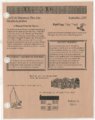
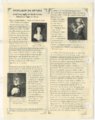
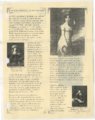
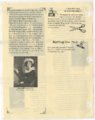
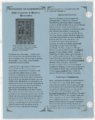
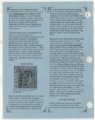
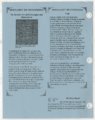
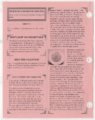
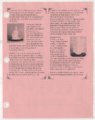
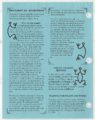
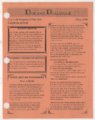
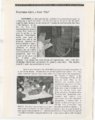
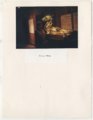
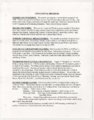
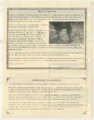
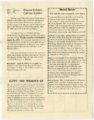
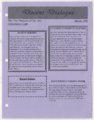
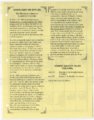
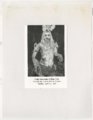
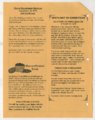
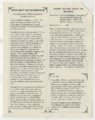
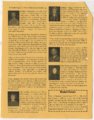
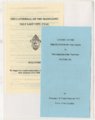
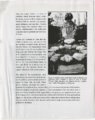
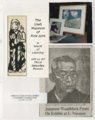
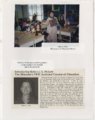
Show rSPOTLIGHT ON EXHIBITIONS, 1{ :BRIEF l\ISTORY OF }WEDIEVAL ]WA.NUSCRIPTS Visitation Leaf from Book of Hours, printed c.1530 in Paris but hand illuminated in Rouen. tempera, powdere.d gold paint & ink on parchment. UMFA, 1976.093. The illuminated manuscript -- a handwritten book with pictures and decoration painted or drawn in bright colors, illuminating, or lighting up, the page -- was a major form of artistic expression in medieval times. Illustration is the oldest type of illumination. During Greek and Roman times some manuscripts contained text interspersed with small paintings called miniatures (from "minium," a red-orange lead pigment used in their creation). While manuscripts continued to be illustrated with paintings and drawings in the Middle Ages, illumination was extended to the ornamentation of the text through the increase in size and the lavish adornment of initial letters and through the framing of both text and illustrations with elaborate decorative borders. The production of medieval manuscripts became a function of the Christian church by the seventh century and was carried out for the most part in monasteries until the thirteenth century, when it was taken over by secular scribes and artists working for book dealers or individual patrons. After the invention of movable type in the ~fteenth century, illuminated manuscripts ~ ~ a l l y gave way to printed books with W' ;~;;ved illustrations. Insular Illumination Insular is the name used to designate the particular style illustrated by a series of magnificent gospel books made at monastic centers in the British Isles during the seventh and eighth centuries. Insular manuscripts are characterized by decorative embellishment rather than narrative illustration. A page of pure ornament called a carpet page precedes the text, and large initials, together with their frames and sometimes the parchment ground, are filled with intricate, densely packed decoration. The ornament is composed of spiral patterns, interlace, knotwork, and intertwined animals adopted from Anglo-Saxon and Celtic metalwork. The first masterpiece of Insular illumination, the seventh-century Irish Book of Durrow (Trinity College, Dublin), contains miniatures as well as carpet pages. Portraits of the four Evangelists based on Early Christian models but translated into the stylized Insular style were introduced in the Lindisfarne Gospels (British Library, London), written and illuminated about 700 by Eadfrith, bishop of Lindisfarne, England. A culmination of the style was reached in the profusely decorated eighthcentury Book of Kells (Dublin), which has narrative illustrations in addition to portraits. Carolingian Illumination Book illumination flourished in northern France and western Germany as part of the cultural renaissance initiated by Charlemagne in the late eighth century and continued in the ninth under successive Carolingian emperors. The earliest extant work in the Carolingian style is the Godescalc Gospel Book (Bibliotheque Nationale, Paris). Dated 781-83, it was written in gold and silver on purple parchment in Charlemagne's court scriptorium at Aachen. This book was the first of a series of luxurious gospel manuscripts from the court school in which monumental ~. ~vvaz:~elist portraits reflecting Early Christian andJ ~ntine models were juxtaposed to large, |