| OCR Text |
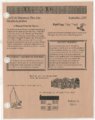
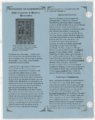
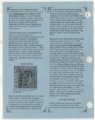
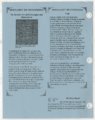
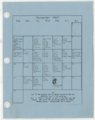
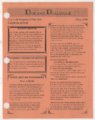
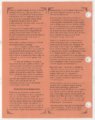
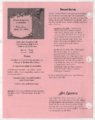
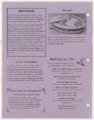
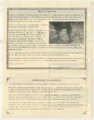
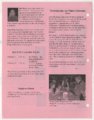
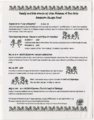
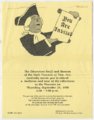
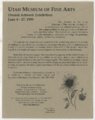
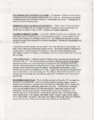
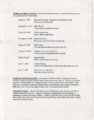
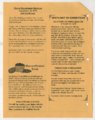
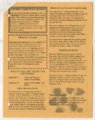
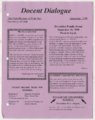
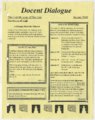
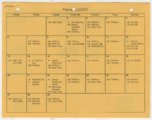
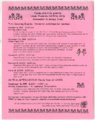
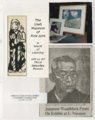
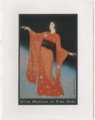
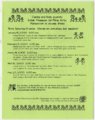
Show DOCENT GALLERY TALKS NOVEMBER rs;OTLIGHT ON EXHIBITIO~ Innovation and Tradition in Japanese Woodblock Prints A new exhibition highlighting 18th, 19th and 20th century Japanese woodblock prints from our permanent collection supplemented with prints borrowed from private collections. Woodblock printing was invented in China during the T'ang dynasty. The technique was introduced into Japan in the eighth century, when it was employed chiefly to reproduce inexpensive religious souvenirs or charms. The art of block printing, as it ultimately developed in the eighteenth century, was a triumph of collaboration. The artist, having been selected and commissioned by a publisher, prepared his design in ink, merely adding color notations. A specialist in woodcutting then transferred the lines to the blocks, and a third artisan did the printing. The quality of the finished picture depended as much on the often anonymous cutter and printer as on the painter of the original design. The art itself is very difficult and time consuming. Each block must be carved out with precision, with any flaw or fault resulting in failure. Working with wood in not like working with paper, in that mistakes cannot be erased. Multiple blocks are carved; a different one is needed for each color. .,. November 7: The Great Elephant: two masks from the Bakuba People of Central Africa -- Bernadette Brown, Curator of Education. November 21: TBA I am at a loss to understand why more docents haven't signed up for the Gallery Talks. From my perspective you have so much good information and insights into our collections that I would love for you to share with the public. It is very important that we continue these talks since we are trying to build up a momentum as we near the move to the new building. I thank Pat Faulkner and Judy Waters who have signed up for January but we need you for November and December. SO----please sign up to talk about your favorite work of art -it is a unique chance to interact with a different audience from the school groups; to enter into a real dialogue and to use the information that you have found out about a work of art but can't use with our school audience. This is a perfect example of the truth of the statement that we offer say -- "we can't do it with you!" r this exhibit. =, The exhibit will feature prints .of landscapes by the 19th century masters Hiroshige and Hokusai, contrasting with views of the countryside by 20th century artists Kawase Hasui, Maekawa Senpan and Yoshida Hiroshi; the Wester-influenced landscapes of Saito Kiyoshi; and the earliest print in the Museum's collection, a delicate image of a fan seller with children attributed to the school of Harunobu, dating from 1765. This genre of art became known as Ukiyo-e or "pictures of the floating (or passing) world", and depicted the lifestyle of the pleasure world that revolved around the Kabuki theatre idols and accomplished geisha of the Edo period (1615-1858) in Japan. Ukiyo-e had considerable influence on 19th century artists such as Matisse and This information is excerpted from the Van Gogh. In fact van Gogh painted a Press Release prepared by David Dee, famous copy of Hiroshige's "Great Bridge, ~curator of the exhibition, and Isabelle ~udden Shower at Ohashi: that appears~ ntzes ~ J |