| OCR Text |
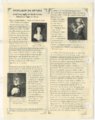
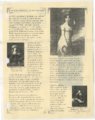
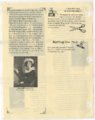
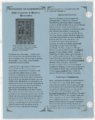
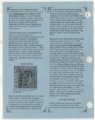
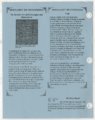
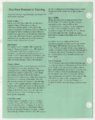
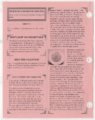
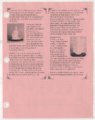
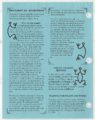
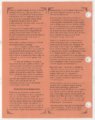
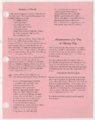
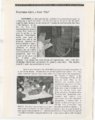
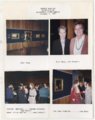
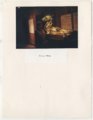
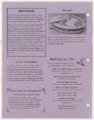
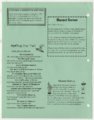
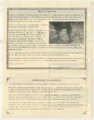
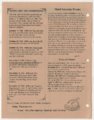
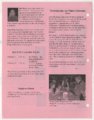
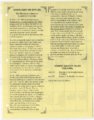
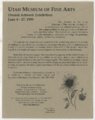
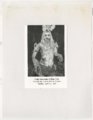
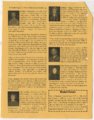
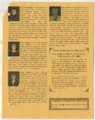
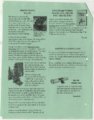
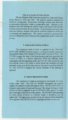
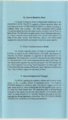
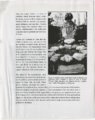
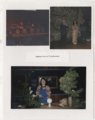
Show THE ST ATIONS OF THE CROSS The new Statioru ofthe Cross were painted by Utah artist Roger (Sam) Wilson in 1992 and 1993. The stations combine elements of traditions iconography, Renaissance painting, cubism and American Southwestern coloration within a postmodern style. Starling at the northeast end ofthe building, the stations begin with Jesus in the Garden ofOlives and end with the burial ofChrist. In developing each scene, the artist uses flowers, animals and various symbolic elements 10 draw out its meaning and significance. The viewer is invited to approach the stations meditatively and to find personal significance in the events they portray. I. Jesus in the Garden of Olives The impending death of Jesus is signified by the CHAU CE WITH THE SNAKE wreathed around it, evoking the deathly serpent of Eden and the notion of the Garden of Olives as the outcome of Eden. The POPPIES suggest the sleep of the three disciples and more generally the evasion of reality as a human temptation. While the suffering Jesus contemplates only his impending death, the EYE OF GOD symbolizes the providential vision of the Father in whose power life triumphs over fear and death. In this, as in all the other stations, the artist's use of the SHAPE OF THE CROSS to organize the various elements of the painting is apparent. Il. Jesus ii Betrayed by Judas The temptation of Judas is portrayed by the MASK OF EVTI., within Judas' "halo." The USE OF MASKS throughout the stations suggests the influence of dark and sinister forces. The BLACK ROSE is a frequently used symbol of deceit and betrayal. The danger lurking in Jesus' embrace of Judas is suggested by the SCORPIONS which appear on Judas' sleeve and again at the bottom of the station. The RA VEN, here guarding the thirty pieces of silver, is a familiar image of decadence and the tmderworld. The high priest's setvant whose ear was cut off but healed by Jesus appears with a BLUE FACE to highlight the flesh-colored ear. |