| OCR Text |
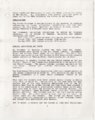
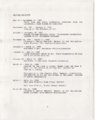
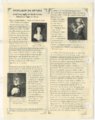
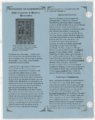
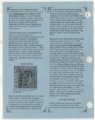
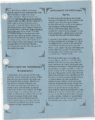
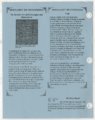
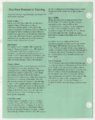
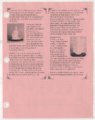
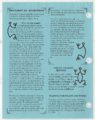
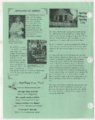
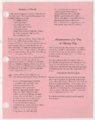
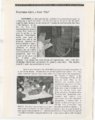
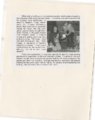
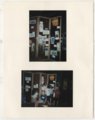
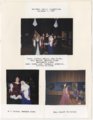
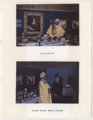
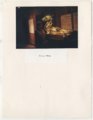
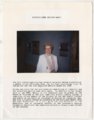
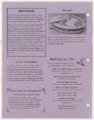
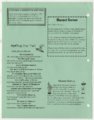
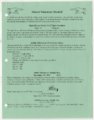
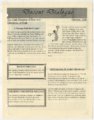
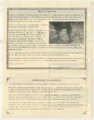
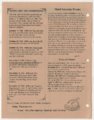
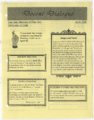
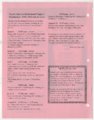
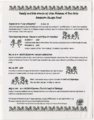
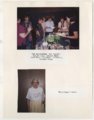
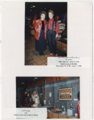
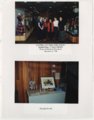
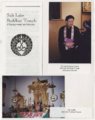
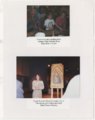
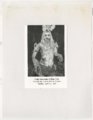
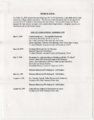
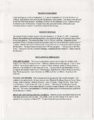
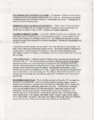
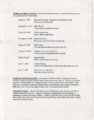
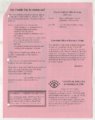
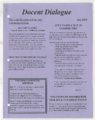
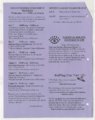
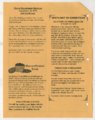
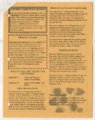
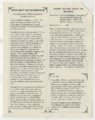
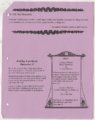
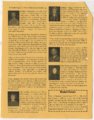
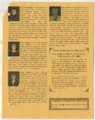
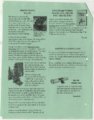
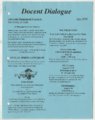
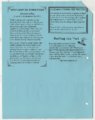
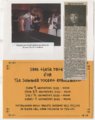
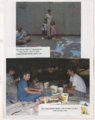
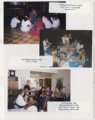
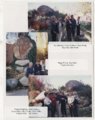
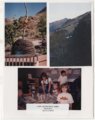
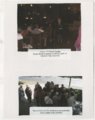
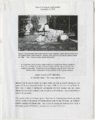
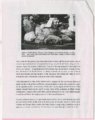
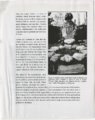
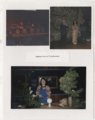
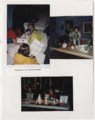
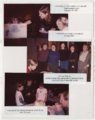
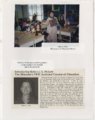
Show Greek New Year In the Greek Orthodox community Christmas, New Years, and the Epiphany are celebrated in a 12 day period called Dodea-Cameron which starts December 25 and ends January 6. At midnight on New Year's Eve a special round bread with a coin baked into it is cut and served. Everyone hopes to be the one to get the slice of bread with the coin because it means good luck in the new year. The person cutting the bread wishes every recipient "good year," and even those persons not at home have a piece of bread cut for them. Pieces of bread are passed out to everyone according to their age with the first three slices going to Christ, the Virgin Mary, and St. Basil who brings presents to children on New Year's. The 4th slice is saved for the poor. N alive American Winter Solstice Native American communities celebrate the return of the sun to warm the earth. The Hopi people, one of many Native American peoples, celebrate Soyalang-eu (winter solstice ceremony) in December and Pamuya in January when the sun appears to move north again. During these ceremonies, prayers are offered and Kachina dancers dance to represent spirits which bring the rain and sun to help their crops grow. Kachina is a word in the Hopi language for supernatural spirits. NATIVE AMERICAN WINTER SoLSTICE CELEBRATION Hopi Sun Kachina, wood, paint Eidul Fitri The Muslim community observes Ramadan, a month long period that involves fasting from sunrise to sunset. This year Ramadan begins on December 19. This period ends in the joyful celebration of Eidul Fitri when Muslims wear their best clothes and visit friends and relatives. Gifts and cards are exchanged. Eidul Fitri, which means "the day which returns often" is held on the day of the new moon at the end of Ramadan. The mukena is a special covering worn by Indonesian Muslim women when they pray in the mosque. MUSLIM NEW YEAR CELEBRATION Mukena (modeled by Dien Soeprapto), cotton, on loan from the Friends of Educational Services Chanukah The Jewish community celebrates Chanukah in November or December. This celebration lasts for eight days and nights. The holiday celebrates the rededication of the temple in Jerusalem after its destruction by the Syrians in 168 BCE. A special candle holder, the menorah (hanukkiah) with nine candles, is used. One candle is lit on the first night, two on the second and so on until all are lit on the 8th night. Special donuts and latkes (potato pancakes) are served. The oil in which the donuts and pancakes are fried reminds Jewish families of the oil that burned in the temple lamp for eight days and nights. A special game is played with a spinning top - dreidl - and gifts are exchanged during Chanukah. CHANUKAH CELEBRATION Menorah, ceramic, on loan from the Friends of Educational Services |