| OCR Text |
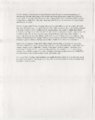
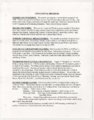
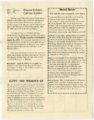
Show i which it is taught. Examples of variation include selecting one or more of the disciplines as a central or core discipline(s) for helping students understand works of art; featuring settings such as art museums or community centers and the original artworks they collect or display; integrating the arts with other subject areas; and pursuing newer technologies. This approach is compatible with the goals for art education stated by the College Board, the Council of Chief State School Officers, the National Art Education Association, the National School Boards Association, and many state departments of education. Despite many variations, all versions of DBAE have certain features in common: 1) Art is taught as a subject within general education with a written and sequentially organized curriculum. Lessons contain content drawn from all four art disciplines. The lessons build a body of cumulative knowledge, skills and understanding in art that can be appropriately evaluated. 2) Students' abilities are developed to make art (art production); analyze, interpret, and evaluate qualities of visual form (art criticism); know and understand art's role in society (art history); and understand the unique nature and qualities of art and how people make judgments about it and justify those judgments (aesthetics). 3) Art is implemented on a district-wide basis with administrative and community support, staff development, time and instructional material resources and student/ teacher/program assessment. DBAE Curriculum Characteristics Written lessons help ensure that the learning activities for each grade level have been planned and are coordinated with other grades. This permits continuity and does not make the success of the art program subject to personnel changes in the school. New teachers are apprised by a written DBAE curriculum as to what is required in the district and what students have previously ~xperienced. Another way to make the p o i n ~ ~ 11 m b e r that we want students to have twelve ~ ~~ ~~ of art education, not one year of art education in twelve years. Sequential organization and articulation of lessons reflect the natural learning processes of acquiring simple concepts before more complex ones, enabling students to build their knowledge, skills and understanding in a clear and logical fashion. Art educators may have different ideas about what constitutes a legitimate sequence in any DBAE content area, because there has never been a national consensus based on child development or any other criteria. Works of art by artists from many cultures are central to the organization of curricula and to integration of content from the disciplines. The use of adult work of study of art in DBAE is based upon the competence and power embedded in such works to produce understanding of works of art. Student artworks and works by other young artists can benefit from the inspiration and ideas furnished by mature works of art of varied historical, social and cultural sources, including but not confined to those viewed as original works in museums and reproductions. Balanced content from the four art disciplines reflects the concern and respect for the various contributing areas of art that make up the students' experience. It is important to emphasize that the content is integrated from ideas, materials and other resources from the four art disciplines . . Developmentally appropriate learning activities are organized to maximize students learning and recognize appropriate learning and developmental levels. DBAE can be structured in ways entirely consistent with the considerable body of knowledge that has been acquired by art educators and others about how children grow and learn in the arts. For example, teachers may adapt DBAE to meet the gender, economic, and cultural needs of their students. J Information adapted from the Getty Educational ~nstitute for the Arts - htttp://www.artsednet. edu/ ArtsEdNet/Overview/index.html ~ |