| OCR Text |
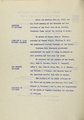
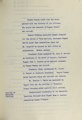
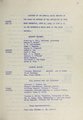
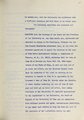
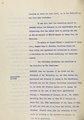
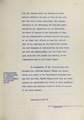
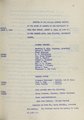
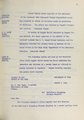
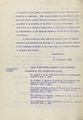
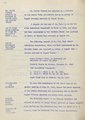
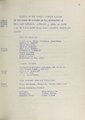
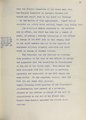
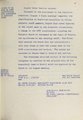
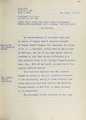
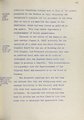
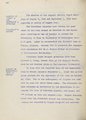
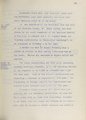
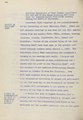
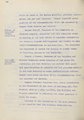
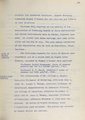
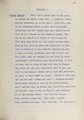
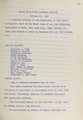
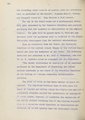
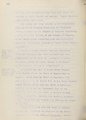
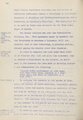
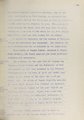
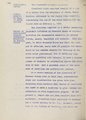
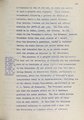
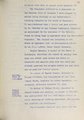
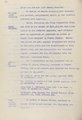
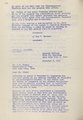
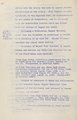
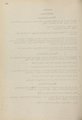
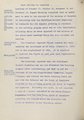
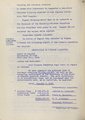
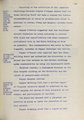
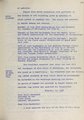
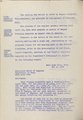
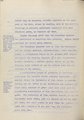
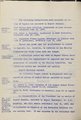
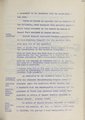
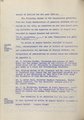
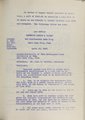
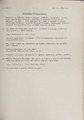
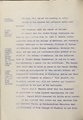
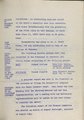
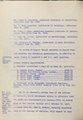
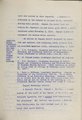
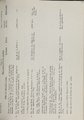
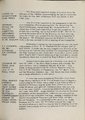
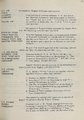
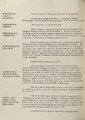
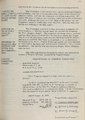
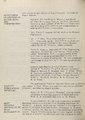
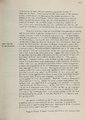
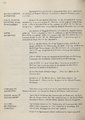
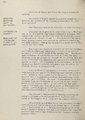
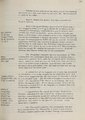
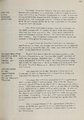
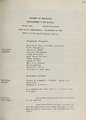
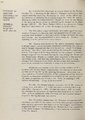
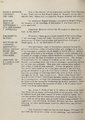
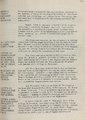
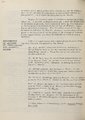
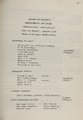
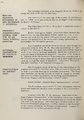
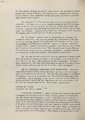
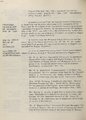
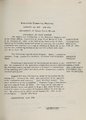
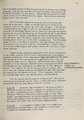
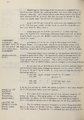
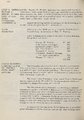
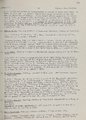
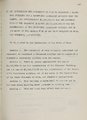
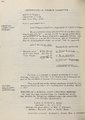
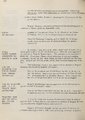
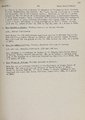
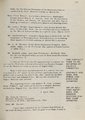
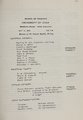
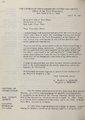
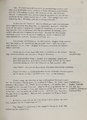
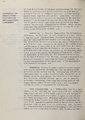
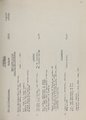
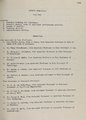
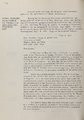
Show 520 Luncheon in Room 304 Union Building preceded the meeting. MINUTES MEETING SEPT 1 5 APPROVED On mOtion of Regent Ballif seconded by Regent Adam S, Bennion, the minutes of the meeting of September 15, 1950, were approved. ' The Chairman invited the President to make his report. PRESIDENT'S REPORT MEETING OF AME RIC AN COUNCIL ON EDUCATION President Olpin gave an account of his trip to Washing- ton, D. C. to attend an emergency conference on Higher Education in the National Service called by the American Council on Education for October 6 and 7. Nine hundred sixty educational administrators were present in addition to many army and state officials. The group included four hundred university and college presidents. The conference had been called to discuss an emergency (as it affects education) which exists in View of the present national situation growing out of the Korean War. The Depart- ment of Defense is calling for an army of 3, 000, 000 men mustered from age groups 19 through 26 (or college age) and at the same time it is important that universities continue to operate as usual. The consensus of the participants in the conference was that the national emergency may be with us for decades, or even a full generation, General Hershey (of Selective Service) stated at the conference he was opposed to deferring only students studying certain subjects, such as physics or' chemistry. He felt deferment should be granted to students demonstrating competence or superior ability. He read a recommendation he had received from six committees of scientists on this subject, known as the Trytten report. It was estimated that male student enrollment may drop off as much as 20% before spe- cialized training programs could restore them° Education was called the backbone of the modern army. The President reported that a meeting of land grant colleges and state universities has been called for next month in Washington, D. C. to go into this matter further. Returning by way of New York, the President attended conferences with University of Utah alumni there, as he had also in Washington, D. C. He expressed great pride in the former students whom he met and commented on the important positions they now occupy in professional, business and government affairs. |