| OCR Text |
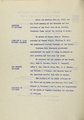
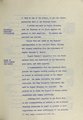
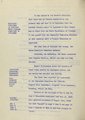
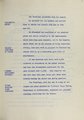
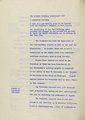
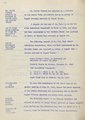
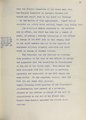
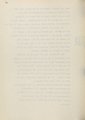
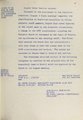
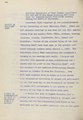
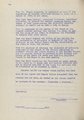
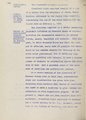
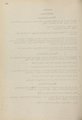
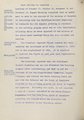
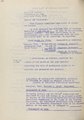
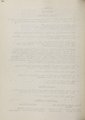
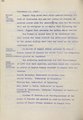
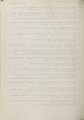
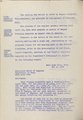
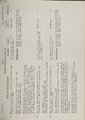
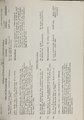
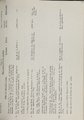
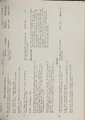
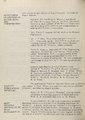
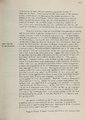
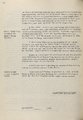
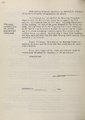
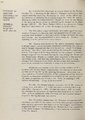
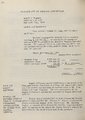
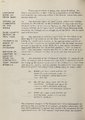
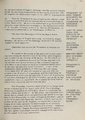
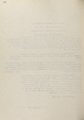
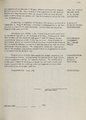
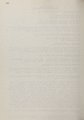
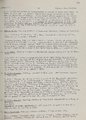
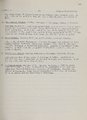
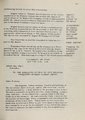
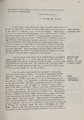
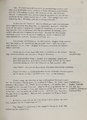
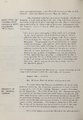
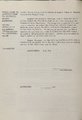
Show jected to a winter of frost and snow, it would be a severe loss to the institution. The Board of Trustees had proceeded on legal advice in voting the $750,000. bond issue and would now be subject to much criticism if it did not proceed as soon as possible in getting the bonds sold and construction started. TRUSTEE SKEEN CALLED ON Trustee Skeen said architects were already employeed and that Edward L. Burton & Company had been retained as fiscal agents for sale of the bonds. The latter were to be sold on the eastern market. Chapman and Cutler, bond attorneys in Chicago, reported that they could not approve such an issue ofbonds bythe college until there was a Supreme Court decision that such bonds would not be general obligations of the State of Utah in View of the language in "State V. Candland, 36 Utah 406. " The purpose of the Spence action was to obtain clarification of that Candland case. ATTORNE Y GENERAL VERNON DISC USSE S THE CASE ' Mr. Vernon, 'Attorney-General, having been called on, said that he felt it was his duty to represent the Board of Trustees in the Spence suit since, until legislation was declared unconsitutional by the courts, he had to support the same. The Spence action attacked Chapter 126, Laws of Utah, 1947, on the grounds that bonds issued pursuant thereto would become general state obligations. Nevertheless, he would be glad to have the constitutional question raised by Dean Leary finally settled. A number of legal questions submitted to his office for decision ‘ depended in the last analysis upon the constitutional status of the college and the university. For instance, the Board of Education believed it had certain constitutional powers of which it could not be deprived. Its relation to the two institutions of higher learning needed clarification. Then there was the matter of the $3000 attorney's fee paid by the college in its veto litigation. . At least five or six other questions were similarly related. The Board of Trustees should realize that by insisting upon the legality of Chapter 126, Laws of Utah 1947, there was some danger that they might not later be able to urge their consitutional im- munity as a defense to some of these other claims being urged against them. However, he thought it possible for the court in the Spence action to confine its decision to the single constitution- al question raised by the plaintiff and proposed and advised against intervention by the University; that while said case was pending the two boards should get together and file a declaratory judgment action, raising all the consitutional questions in the most favorable manner. Then if the Supreme Court in the Spence case showed a determination to considerthe status of the college, all parties could request the court not to render any decision in the Spence case until such time as the declaratory action started |