| OCR Text |
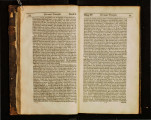
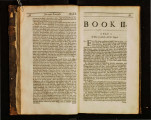
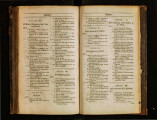
Show Ideas o[ Senf~~,tion and Rejleflion. BoCi>k II. C H A P. VII.' Of fimple Ideas of borh Senfation and fP.!fieE!ion, t· 1, THere be other fimple IdeafsSc, ,w~i~h condveRy t1h1e~felves into the Mind, by all the ways o nlUtJon an e ev.ton, -vi<. Pieafurt, or Ddight, and its oppofitc; PaiN, or Vneafinefs. Power. Exiflence. Vnity • . §. :z.. Delight, or Vneajinefs , one or other. of them join themfelves to a!mofl: all our Ideas, both of Senfation and Reflection: Aadthere is fcarce any affection of our Sen(es from witho?t• any reti!ed thought of our Mind within which IS not able to produce m us p!eajitre, or .pam. By Plea• Jure and Pain, I wou19 be underllood to lignifie, whatfoever delights or moleih us ; whether If arifes from the thoughts of our Mmds, or any th·ing opet;ttlng brt our Bodies. For Whether \ve call it Satisfaction, Delight, P(e:ifure, Happipefs, &~. <iti the one fide; or Uneafinefs, Tr?uble, Pain Torment, Angutlb, Mtfery, &c. on the otll.er, they are fit!! but dilfe;ent degrees of the fame thing, and belong to the Ideas of Pleafure and Pain, Delight or Uneafinefs; which are the rrames I fhall moil: com· monty life for thofe tWo forts of Idus. §. 1· The infinite!)' Wife Author of our being, having giveri us the power over fevernl parts of our Bodies, to move or keep them at refi, as we think fit; and alfo by the motion of them, to move our fe!ves, and other contiguous Bodies, in which con tills all the Actions of our Body: He having alfo given a power to our )\1inds, in fevcral inllances, to chufe a mongO: its Ideas which it will think on, and to purfue the enquiry of thts or that Subject , with contidcrarion and attention, to excite us to thefe Adionsof thinking ~nd motion that we arecapaple of, he has been plea· {ed to join to feveral Tl1oughts, and fevera! Senfations, a perc.ption of Dt· tigbt. This if it were wholly feparated from all our outward Scnfations, and inward Thoughts, we fhould have no reafon to preferr one Thought or Action, to another; Negligence, to Attention ; or Motion, to Reft. And fo we fhould neither llir our Bodies, nor employ our Minds, but let our Thoughts (if! mayfocallit) run 'adrift without any direction or delign, and fuffer the Ideas of our Minds, likeunregardcd fhadows, to make their appearances there, as it happen'd, without attending to them. In which !\ate Man, however furnilhed with the Faculties of Under!\anding and Will, would be a very idle, unactiveCreature, and pafs his time only in a lazy lethargick Dream. It has therefore pleafed our Wife Crea· tor, to annex to feveral Objects, and. the IdeM we receive from them , as al(o to feveral of our Thoughts, a c011comitant pleafure, and that in fe· vera! Objects, to feveral degrees, . that thofe Faculties he had endowed us with, might not remain wholly idle, andunemploy'd by us. · ~. + Pain has the fame efficacy and ufe to fetus on work, that Pleafure has, wcbeingas ready'to employ our Faculties to avoid that, as to pur· fuethe other : Only this is worth our ~onfideration, That it is oft en P"' durtd ·Chap. VII. Ideas of Senjtttion and RejletJion. duced /;y the fame 0/;j.Els aNd Ideas, that produce P/eafore in us. This their near Conjunction , which makes us often feeLtlain in the fen fat ions where we expected plcafur.,,gives tisnewoccation of admi•ing theWifdor!l and Goodnefs of our Maker, who deligning the p,refcrvation of our Being , has annoxed Pain ro the application ofmaoy thing~ to our J3o. dies, to warn us eft he harm they will do, and as,advices tQ witbdra.\11 froni them. But he, not deGgning our prcfervation barely, bu~ the prefervati· on of every part an<il organ in its perfection, hath, in many cafes, anriexed pain to thcfe very Jdw which delight us,. Thus Heat, that is very ~greeable to us monedegree, by a httle greatermcreafe ofJt, pro~es noordina· ry tmment:and the moftpleafanttof all fenfib)eObjects, Light it felf,ifther6 be too much of it; if increafed beyond a due proportion to our Eyes caufes a very painful fenfation. Whiohis wifely and fitvourably fo order: cd by Nature,. whit when any Ofuject does, by the vehemen~e of its <iJ>er:l' cion, dif0rder the infiruments <i>f fenfati<!m, \llhofe S1ructures cannot but . b~ very nice and delicate, we might by the pain, be warned to withd~aw before the Organ be <JUitepurout of order, .and fo be unfitted for its prO: per fynCiiorls for the future. The confideration of thofe Objects that pro' liluce it, may well perfwadcus, That this is the end <>F ufe of pain. For though great li~ht be infWferable to ou• Eyes, yet ~he bighefi degree of darknefs do$ not at all dtfeale them : lletaufe that £aufing no diforder)y motion in it, leaves that cw;ious Organ unharm'd, in its naturn! fiate; Bot yet excelS of Cold, as well as Heat, pains us: becauf¢1it; .is equally de; fiructive to thac temper, whiehis neceffary,to ~he. prekrY<(tion ofjife, anct the exercife of the feveral f~nctions oftheLlod!y, which .:onlills i~ amp; derate degree of warmth; or, if you pleafe, a motion of the 1 ibfenfibl~ j>arts of our Bodies, confined within certain bounqs. · . . . · . ~. 5'. Beyond all this, we may find another reafon why God hath fcac; tered up and downfe-verai degrees ofpl<afare and pain, in all the things that en'Jiiron and aifeEI zl.f; and blended them together, in almoft all that our Thoughts and Senfes have to do with ; that we finding imperfection, diifatisfaction, and want of co.mpleat happinefs, i~ all the Enjoyments of the Creatures can afford us, mtght be led to feek 1! m the enjoyment of him, with whom there is fulnejs ofj~y, and at whofe right hand are plea· JUres for t'Vtrmore. ~. 6. Though what I have here faid, may not, perhaps, make the Idea< of Pl.-fare and l'ain clearer to us, than our own Experiencedoes,wljic]), is the only way that we are capable of having them ; yet the conlide~tiori of the Reafon, why they are annexed to fo many othc;r, Ideas, [erving td give us due fentiments of the W ifdom and Goodn.efs of the Soveraign Difpofer of all Things , may not be unfuitable to the main end of thefe enquiries: The lmowledge and veneration of Him, being. the chief el)d of all our Thoughts, and the proper bufincfs of all Underftandiogs. · ~· 7· Exijfntae and Vnity, are two other Ideas, that are fugge!\eq to the Undcr!\andihg, by every Object without, and every Idea within. When Idea' ore in our Minds, we confider them as being actually there, as well as we confider things to be actually without us; which i,s, that they cxi!\, or have Exij/ence: And whatever we can confider as one thing, whether a real Being, or Idea, fuggells to the Underllanding, the !dra of 'llnity. · ~· 8. P01v<r alfo is another ofthofe fimple IdeaJ,which we receive from Senfation and Rej/eflion. For obferving in our felves,thac we do, and em think ; and that we can, at pleafure, move feveral parts of our "Bodies which were at re!\ ; the effects alfo, that natural Bodies ore able to pro-duce |