| OCR Text |
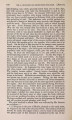
Show 1883.] MR. A. BOUCARD ON BIRDS FROM YUCATAN. 437 sea, leaving the town of Progreso on a narrow strip of land between tbe bays and the sea. This neck of land is covered with low shrubs, which furnish but poor protection for the birds in the season of the northers. October and part of November 1878 were spent at Progreso, and tbe remainder of November at the port of Silam (Tzeelam), twenty leagues to the east of Progreso, which is similarly located in every respect. (2) Chable is a hacienda on the Campeche road, eight leagues south-west of Merida. The land is almost entirely limestone-rock, with a few very low scrubby trees, which rarely rise to the height of twenty-five feet; beneath these is one impenetrable thicket of undergrowth. The month of December was mostly spent in this rancho. (3) Merida, the capital of Yucatan, is a large village situated in a forest of shady trees, which by care have become quite large, and in every respect unlike the natural trees about the city. Part of December and half of January 1879 were spent in this city. (4) Izamal is situated in the interior, fourteen leagues to the east of Merida. The country is low, level, and stony ; thickly wooded with low scrubby trees and a dense growth of under-bush and thorns. (5) Izalam is a rancho six leagues to the south of Izamal, located in a forest of trees which rise to the height of forty feet. The country is level and rocky, and covered with the usual undergrowth. The remainder of January, February, and half of March were spent in Izamal and Izalam. (6) Tizimin is situated fifty leagues to the east of Merida, and sixteen leagues from the north coast. The country, like all Northern Yucatan, is low, level, and undiversified, without streams of water of any kind. This is on the border of what are called the eastern forests. To the north, east, and south of Tizimin lie vast forests, for the most part uninhabited since the emigration of the Indians nearly half a century ago. These forests are filled with ruins both ancient and modern. Of the former nothing remains worth sending out of the country. A few ranchos have been repeopled, and from these I have collected most of the birds sent. Of these the first was (7) Tok Jonat Ku, a large forest to the north-east of Tizimin six leagues. Here are large trees and the forests comparatively open. The months of April and May and part of June were spent in this forest and others near by. (8) Rio Lagartos is a seaport town at the mouth of the river of the same name. Rio Lagartos is not a river in the sense generally given to the word river in Europe and America, but rather an arm of the sea into which open innumerable springs, or, as I believe, large subterranean rivers. The water is very salt, and in the dry season even more salt than the sea. It is very broad and shallow, bordered by a dense growth of low brush, behind which lie marshes of salt or brackish water. Here many thousands of Flamingos were seen in their finest plumage, while vast swarms of other sea-birds are ever in sight. The remainder of June and part of July were spent here, though, on account of the innumerable hosts of mosquitoes and gnats, which come with the first rains, m y work was very much impeded. (9) Calotmul is situated five leagues to the south of Tizimin in similar lands, though on the road to Merida. (10) Pocobach is a new settlemen |