| OCR Text |
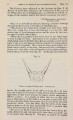
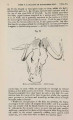
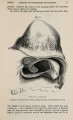
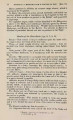
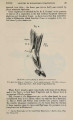
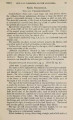
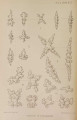
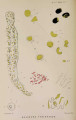
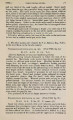
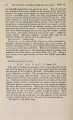
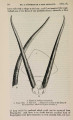
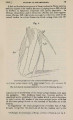
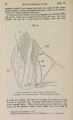
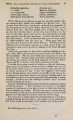
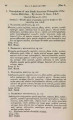
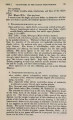
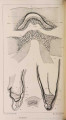
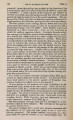
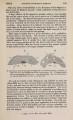
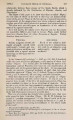
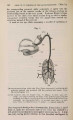
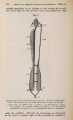
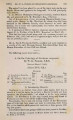
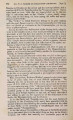
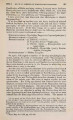
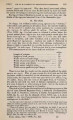
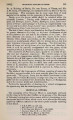
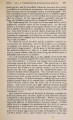
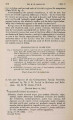
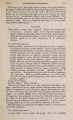
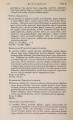
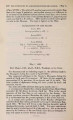
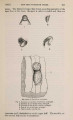
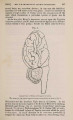
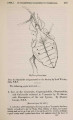
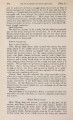
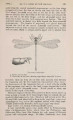
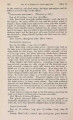
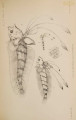
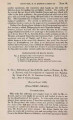
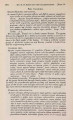
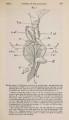
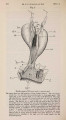
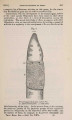
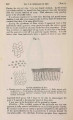
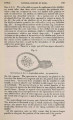
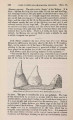
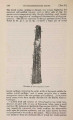
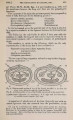
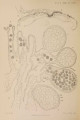
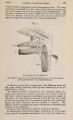
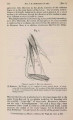
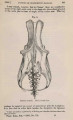
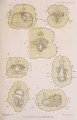
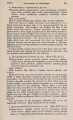
Show 1889.] NATURAL HISTORY OF DERO. 443 Nos. 5, 6, 7. The cells which compose the epidermis of the clitellum are much taller than those which constitute the epidermis elsewhere ; they are columnar in form and loaded with granules to such an extent that the nucleus (in individuals stained with picro-carmine) was altogether invisible. In a surface-view of a fully developed clitellum the cells often appeared to project as shown in fig. 2 b ; the cells of the clitellum are at first only occupied by a few highly refractive granules, the cell-outline being very indistinct (fig. 2 a). In longitudinal sections of the clitellum (fig. 2 c?) the unstained cuticle could be easily seen ; very frequently the cuticle was separated from the outer extremities of the clitellar cells by a space containing an amorphous substance, which in individuals coloured by picrocarmine solution was stained deep pink. I regard this substance as the product of the activity of the clitellar cells, destined probably for the formation of the cocoon; its accumulation between the cuticle and the epidermal cells seems to be remarkable, even if the secretion has been caused by the stimulation of the glandular cells by the preservative reagent. Spermathecee.-There is a single pair of these organs situated in Spermatheca of Dero in longitudinal section, sp, spermatozoa. the 5th segment. The apertures to the exterior are placed on the boundary-line between this segment and the 4th, just in front of the ventral setae. These setae were constantly two in number to each bundle ; I did not observe any variation in this respect in a number of individuals. The number of setae in the ventral bundles of the three segments anterior to the fifth I found to vary slightly, although usually three. Except as regards their apparently fixed number, the setae lying behind the apertures of the spermathecae were in no way different from those of other segments ; as in the asexual form, the dorsal setae of segment 5 and of those preceding it are entirely absent. The spermathecae were in every case distended with spermatozoa. The structure is illustrated in fig. 3, which represents a longitudinal section ; the narrow duct of the pouch is lined with an epithelium of tall cells, elsewhere the cells of the lining epithelium are much smaller. All the specimens were so fully mature that it was no longer possible to recognize the position of the testes and of the ovaries. 30* |