| OCR Text |
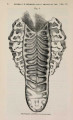
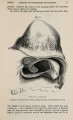
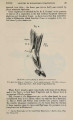
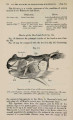
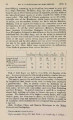
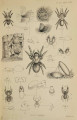
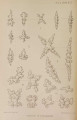
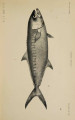
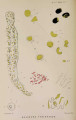
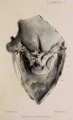
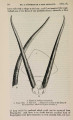
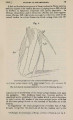
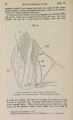
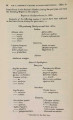
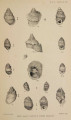
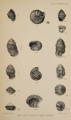
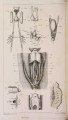
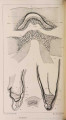
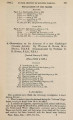
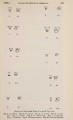
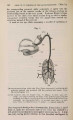
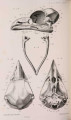
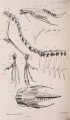
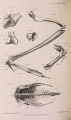
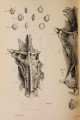
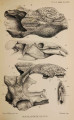
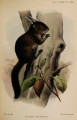
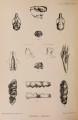
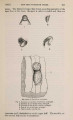
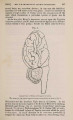
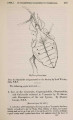
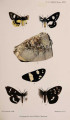
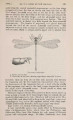
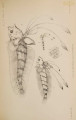
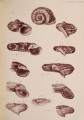
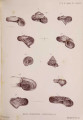
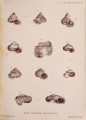
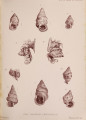
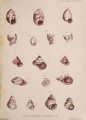
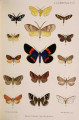
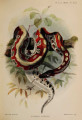
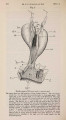
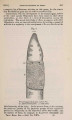
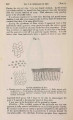
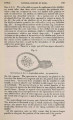
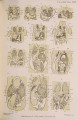
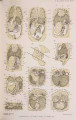
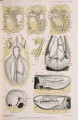
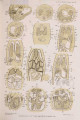
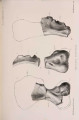
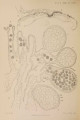
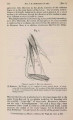
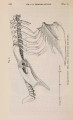
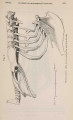
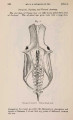
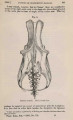
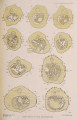
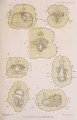
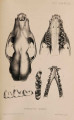
Show 1889.] ON THE LEFT CARDINAL VEIN IN THE FROG. 145 6. 2 • millim. millim. Total length 228 200 Head 28 28 Width of head 20 20 Body 76 72 Fore limb 41 39 Hind limb 65 57 Tail 114 100 From the Sierra de Uspallata and the desert west of Catamarca. Differs from U. torquatus, to which it is closely allied, in the longer head, shorter digits, and shorter tail. EXPLANATION OF PLATE XV. Fig. 1. Gymnodactylus horridus, with enlarged view of chin. 2. Urostrophus scapulatus §, with upper view of head. 3. O n the occasional Persistence of the Left Posterior Cardinal Vein in the Frog, with Remarks on the Homologies of the Veins in the Dipnoi. By W . N E W T O N P A R K E R , Ph.D., F.Z.S., Professor of Biology in the University College of South Wales and Monmouthshire. [Received March 8, 1889.] According to the recent researches of Hochstetter 1, the postcaval vein arises in part independently (" Leberabschnitt"), and in part from that portion of one (Amniota) or of both (Amphibia) posterior cardinal veins which receive the venas renales revehentes (" Urnieren-abschnitt " ) . The part of the cardinals which lies anterior to the kidneys either disappears, or else gives rise to the azygos (and hemiazygos) veins. In the Salamander, and apparently in most Urodeles, the right and left azygos are present normally, while in the greater number of Anura they disappear entirely in the adult. In Bombinator, however, they persist (Gotte 2, Hochstetter), and this is also the case occasionally in Alytes and Discoglossus3. Howes has recently described an interesting case of the persistence of the left azygos in a female of the Common Frog (Rana tempor-aria) 4, the vessel being of large calibre and continuous anteriorly with 1 "Beitrage zur vergl. Anat. u. Entwickelungsgeschichte des Venensystems der Amphibien und Fische," Morphol. Jahrbuch, Bd. xiii. 1887-8. " Ueber die Bildung d. hinteren Hohlvene bei den Saugethieren," Anat. Anz. ii. Jahrg. 1887. " Beitrage zur Entwickelungsgeschichte des Venensystems der Amnioten," Morphol. Jahrbuch, Bd. xiii. 1887-8. 2 Entwickelungsgeschichte der Unke. 3 G. B. Howes, " O n the Azygos Vein in the Anurous Amphibia," Proc. Zool. Soc. 1888, p. 122. 4 Loc. cit. |