| OCR Text |
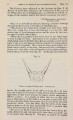
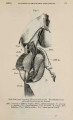
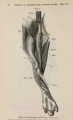
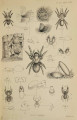
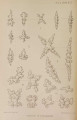
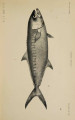
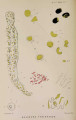
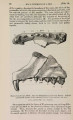
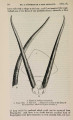
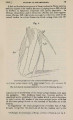
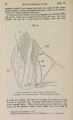
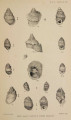
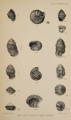
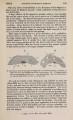
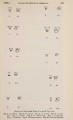
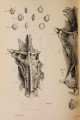
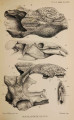
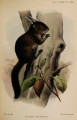
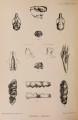
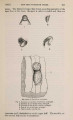
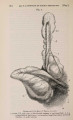
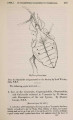
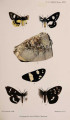
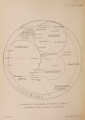
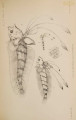
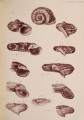
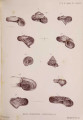
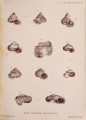
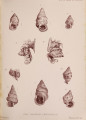
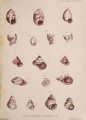
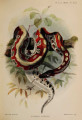
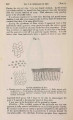
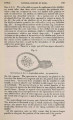
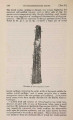
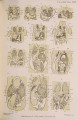
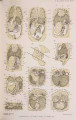
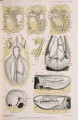
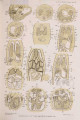
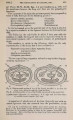
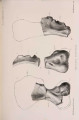
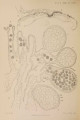
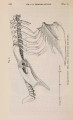
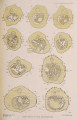
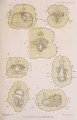
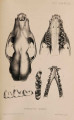
Show 1889.] ON NEW OR RARE SPECIES OF PLEXAURIDS. 47 4. Descriptions of some new or rare Species of Plexaurids. By F. JEFFREY BELL, M.A., Sec. R.M.S. ' [Eeceived January 28, 1889.] (Plate III.) Among the Gorgonids in the British Museum there are examples of some species of the genera Plexaura and Plevaurella which appear to be still undescribed. As to a number of the described species, it is often impossible to say with certainty whether or no one has them before the eyes; Milne-Edwards and Haime, like Duchassaing and Michelotti, make no use of the characters of the spicules, though the works of both were published after the appearance of Valenciennes's suggestive essay1. Fortunately the British Museum is in possession of a series of preparations by M. Potteau which may be regarded as illustrative of Valenciennes's memoir, and by the aid of these it is often possible to add enough to the otherwise imperfect diagnoses of tbe earlier describers of these forms. Of the species now to be described it may be said that they have all such well-marked characters that it is unlikely that any previous description of them can have been overlooked. One of them will always rank with the most splendid members of a group which, as all know, contains so many remarkable and beautiful forms ; another was long since recognized to be a distinct species by the late Dr. Gray. 1. PLEXAURA PRINCIPALIS. (Plate III. fig. 1.) An exceedingly fine form; the whole colony a large bushy mass of a uniformly light-brownish colour. Allied to P. suff"ruticosa, but rather less ramose, the terminal branches longer, the branches not so flexuous and very rarely nodose; calyces not so closely packed. The specimen under description is 86 cm. high, 1 *38 m. in spread; the base is flattened from side to side, and its long axis is at right angles to the chief plane of spreading ; the greatest length of the axis is about 90 cm. The primary trunks are flattened, vary in size and are only seldom swollen; the terminal branches are rounded, and are often, though not always, about 10 cm. long. The orifices of the calices are rather small; they are generally about 1 m m . apart, but sometimes they are separated by 2 mm., and occasionally they are a little more distant from one another. Cortex smooth, moderately thick; axis black, not very flexible. The characters of the cortical spicules may be best made out from the accompanying figures2; for the purpose of comparison the spicules of P. suffruticosa are, now for the first time, figured; the chief points to be noted are that P. imperialis appears to have no spicules of the so-called "Blattkeule" form • the four-rayed spicule is rare, and is either vestigial or rudimentary in character. The elongate spicules are longer and more delicate than in P. suffruticosa ; 1 Comptes Rendus, xii. p. 7 et sea. 2 All the spicules figured in the accompanying drawings (Plate III.) are magnified about 180 times. |