| OCR Text |
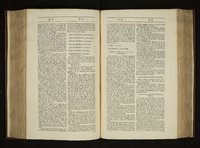
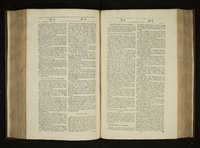
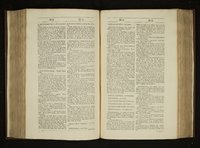
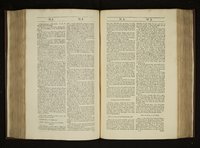
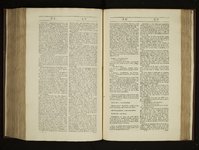
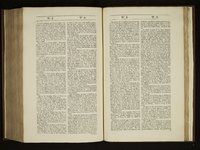
Show LA LA 2, LavenpuLa ; anguftifolia. C.B. Comton narrow-leav’d Lavender, commonly call’d Spike Lavender. 3. Lavenputa; latifolia, fter lis. Mort. Hift. Broad-leav’d barren Lavende Purpofe theyare by no means proper, for they will grow too large for fuch Defigns ; and if they are often cut in very dry Weathe r they are fubject to decay, and in hard Winters they are very often kill’d, fo that the Edgino will LA 4, Lavenputa; anguftifolia, flore albo. C. B. P. Narrow-leav'd Lavender, with white Flowers. . 5. Lavenpua; folio difedo. C.B. Cut- not be compleat ; befides, thefe Plants do leav’d Lavender. 6. Lavenputa ; folio diffetto, flore albo. Boerb. Ind. Cut-leav’d Lavender, with a white Flower. fhould never be planted in a fine Garden amoneft other choice Plants or Flowers, but 7. Lavenputa; folio longiori te & elegantius diffecto. To Lavender, witha longer and more beautiful fine cut Leaf, commonly call’d, Canary Lavender. The firft ofthefe Species, tho’ very common in moft Parts of Europe, yet in England is rarely to be found, notwithftanding it is as eafily propagatedas any ofthe other Sorts, fecondis the moft common Sort in the iglifo Gardens, being propagated for medicinal Ufes, Se. The third Sort is a Degeneracy from the fecond, having much broader and greener Leaves, but rarely ever flowers while it continues with the Leaves broad; but whenever it flowers, the Leaves of that Part of the Plant become narrowagain. The fourth Sort is alfo a Variety of the fecond, from which it differs in the Colour of the Flowers, which in this Sort are white, and thofe of the fecondare blue. Thefe are all propagated by Cuttings or Slips ; the beft Seafon for which is in April, when youfhould plant themin a fhady Situation, or at leaft fhade them with Mats until they have taken Root; after which they may be expos’d to the Sun, and when they have obtain’d Strength, may be remov’d to the Places where they are defign’d to remain: Thefe Plants will abide the longeft in a dry, greatly exhauft the Goodnefs of the Soil wherebythe Plants in the Borders will be de priv’d of their Nourifhment; fo that they rather be plac’din Beds in the Phy fick-Garden: Thefe Plants produce their Flowers in Funeand July, as which time they fhould he gather’d and dry’d in a fhady Place, and preferv’d dry for Ufe. The fifth, fixth, and feventh Sorts are cont- monly fown every Spring, on Bordtrs or Beds of light, frefh Earth; and when the Plants come up, they may be tranfplanted into other Borders of the Flower-Garden, or into Pots to remain for good, where theywill produce their Flowers in July and Auguft, and their Seeds are ripe foon after. Thefe are pretty Plants to place in large Borders amongft other Plants for Variety, but they are never us’d with us: They may alfo be preferv’d over the Winter, if plac’dinto a Green-houfe in Autumn, which is the fureft Method to obtain good Seeds from the feventh Sort, whichrarelyripens Seeds the firft Year; but they feldom continue longer than two Years with us, and many times (if they have produc’d Seeds the firlt Year) they will not continue longer. Thefe Plants will fometimes grow from Cuttings, but then the Cuttings mutt be ftrong andinclinable to be woody, for if they are very foft and {pungy, they feldomfucceed; and they fhould alfo be plac’d upon a moderate Hot-bed, which will greatly promote their taking Root. This Method is fometimes neceflary to preferve the Sorts which might otherwife be in Danger of being loft. gravelly, or ftony Soil, in which they will endure our fevereft Winters, tho’ theywill grow LAUREOLA ; vide Thymelea. much fafter in the Summer, if theyare planted upon arich, light, moift Soil, but then they LAUROCERASUS; [his Plant is thus are generally deftroy’d in Winter; nor are call’d, becaufe it has the Flowers of the Laurel, the Plants half fo ftrong fcented, or fit for andthe Fruit of a Cherry.] The Laurel or Medicinal Ufes as thofe which grow uponthe Cherry-Bay. . moft barren, rockySoil. The Charafers are ; The firft and fecond Sorts mayalfo ke proIt bath broad, thick, fhining, ¢ pagated from Seeds, which fhould be fown in Leaves, fomewhat like thofe of the Bay March upon a dry undung’dSoil ; and when The Cup of the Flower is hollow and Fi the Plants are come up, they muft be carefully jfoap'd, Spreading open at the Top, andis clear’d from Weeds, until they are about two five Parts: The Fi conpifts of five Inches high, when they fhould be tranfplanted Leaves, which expand in Form of a Role, into other Beds, allowing them a Foot Di- ha many Stamina in the Center: The F ftance each Way: In thefe Beds they may reare like thofe of the Cherry-Tree) main, to be cutfor Ufe; or you mayafterwards produc’d in Bunches, and the Stone is longer 4 tranfplanc theminto dry Borders or Beds, in any narrower than that ofthe Cherry. othe t Place where you would have them ftand, The Species are ; oblerving never to dung the Ground where 1. Laurocerasus; Cluf: Hift. The cose grow vigoroufly in Summer, but will haften r ay, was before obferv’d. T hefe Plants were formerly in ufe to make Edgings to Borders in Ga: ‘ ; for which Sa —_ ———————— they are planted, which would caufe themto mon Laurel or Cherry-Bay 2. Laurocerasus; foli albo var Cat. Plant. Angl. The White-ftrip’d Laurel 3. Laurocerasus ; foliis ex luteo Cat. Plant. Angl. The Yellow-ftrip’d . LA 4. Lavrocerasus ; Lujfitanica, minor. Tourn. The Dwarf Portugal Laurel, call’d There are fome People, who advife the Budding of this Tree upon the commonBlack Afarero. The firft Sort is very common in moft Cherry-Stock, in order to render it more vigorous; but as I have never yet feen any Englifh Gardens, and was formerly in greater Requeft than it is at prefent, when thefe Trees were planted againit North-walls to cover them; as alfo in the Parterre-Garden, where large Trees which were thus rais’d, fo I can’t fay how well it will fucceed, though I have often feen the Cherry grafted on this I'ree, and this grafted upon the Cherry, both which have they were frequently fheer’d up to form Pyraids and Globes, for which Purpofe, this was one ofthe moft improper Trees; for the Leaves being very large, they were cut in divers Places taken very well; but I much doubt whether they will join fo well together as to add to the Stature of the Tree, efpecially fince we find that moft Sorts of Fruit-Trees grow muchlar- them un- ger when they are futier’d to remain ungrafted fightly : But though this Plant is very impro- as they come from Seeds, than thofe which by the Sheers, which render’d per for fuch Ufes, yet it is valuable for planting upon the Sides of cold barren Hills, where it will grow to a large Magnitude, and make a are budded or grafted. The Berries of this Tree are by fome put into Brandy to make Ratafia, for which Pur- large pofe it is greatly preferr’d to Apricock Stones, giving the Brandy a muchpleafanter. bitter They are eafily propagated by planting Tafte, and by fome the Leaves are us’d for the fame Purpofe; but this fhould be cauti- fine Appearagce through the whole Year, and in fuch Tree. Situations it will rife to a Cuttings in Fuly, in a fhady, moift Border, where they will foon take Root; and in the Spring following may be remoy’dinto the Nurfery, planting them three Feet diftance Row from Row, and two Feet afunder in the Rows, obferving to clear them from Weeds, and to dig the Ground annually between the Rows, oufly done, fince, by fome late Accounts from Ireland, we are inform’d, that the diftill’d Water ofthefe Leaves is foundto be poifonous. Whether this Account be true or not, a few Experiments will foon make appear. Thefe Berries are much coveted by divers forts of Birds, for which Reafon fome ofthe and prune off their under Branches, to make Trees fhould be planted in the Clumps, where them afpire in Height; and when they have planting thefe Trees is in April, jult before they begin to fhoot 5 but in taking them up, you intend a Shelter for Birds to harbour, and their Leaves remaining always green, will be of great Ufe to thefe Inhabitants in Winter ; fo that fuch Plantations will be well ftor’d with Black-birds, Thrujbes, and many other Sorts of Singing-Birds, to the no fmall Pleafure of you mutt always obferve to preferve a Ball of Earth to their Roots: and when they are fuch Places. The two variegated Kinds may be propa- lanted, you muft mulch the Ground round gated by Cuttings, or by buddingor grafting them on the plain Sort; but thefe muft con{tantly be planted on a poorSoil, otherwife they will become plain again. Thefe are pretty Varieties amongft other variegated Plants. remain’d in this Place three Years, they will be fit to tranfplant into the Places where they are to continue. The beft Seafon for tranf- tr Stems to preferve it from drying, and refrefh them often with Water (efpecially if the Seafon be dry) until they have taken Root, after which, they will require but very little Culture. But if you defign thefe Trees for large Stan- , the beft Method is to propagate them from the Berries, which will eafily rife, and | fooner grow to large Trees than thofe proted by Cuttings. The Manner of fowing thefe Seeds is as follows; You fhould dig and Prepare a Bed or two, (according to the Quan- tity of Seeds you have to fow) andlevel the Ground very even; then fow the Berries thereon foonafter they are ripe, covering them sout an Inch thick with light Earth: In pring the young Plants will appear ;. at hich time you muft carefully clear them from ceds, and in dry Weather oftenrefrefh them with Water, which will greatly promote their Growth: thefe Plants (if they have made a The Portugal Dwarf Laurel is fomewhat tenderer than the commonSort, andis fubject to be injur’d by fevere Frofts, but will endure our ordinary Winters abroad very well. This is propagated in the fame manneras the common fort, but will not grow near fo large; however, it is very proper to intermix with Ever-greens of middling Growth, where, if it be planted on a dry Soil, and has a warm Situation, it will ftand the Teft of our Winters very well, LAURUS; The Bay-Tree. The Charaéers are; It hath a Flower conjifting of one Leaf, which is foap’dlike a Tunnel, and divided into four of five Segments; the Male Flowers, which are g00d Progrefs) will be fit to tranfplant the produc’d on feparate Trees from the Female) lucceeding Sf ye; when you muft prepare fo frefh Beds, into which they fhould v’d, planting them ten Inches or a t afunder each way, obferving to water nm, and lay a little Mulch about their In thefe Beds they may continue two after which they fhould be remov’d o the Places where they are to remain, ina Nurfery, as was before directed. have eight Stamina, which are branched into Arms; the Ovary of the Female Flowers becomes a Berry, inclofing a fingle Seed within a horny Shell, which is cover’d with a Skin. The Species are; 1. Laurus; vulgaris. C. B. The com; mon Bay, with Male Flowers. 2. Laurus; vulgaris, Famina. Boerh. Ind The common Fruit-bearing Bay Tree. Uuvu 3g. Lavruss |