| OCR Text |
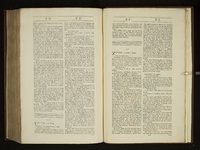
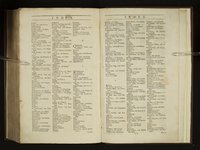
Show IR longer than one Year, after which it muft be cut off clofe above the Bud, that the Stock may be cover'd thereby. : {he Time for Inoculating is from the middle of ‘une until the middle of Auguft, ac- cording to the Forwardnefs of the Seafon, and the particular Sorts of Trees, which may be eafily known, by trying the Buds whether they will come off well from the Wood. But the moft general Rule is, when you obferve the Buds form’d at the Extremity of the fame Year’s Shoots, which is a Sign of their having Leaves is placed a Cougeries of Hairs relembli ng a Beard. From the very Bottom arifes the ully defended by a hollow Male Stamin Cafe of Petals. he Flo ver grows to the, foes of the Ovary, which fends forth thofe Bea : ufe-like Tubes ; and bence it appears Ii ine-leav'd Flower, The Species are , 1. Irts ; Par. purpurea, fiv vulgaris, Park, Commonpurple Flower-de- Lace. 2. In1s; hortenfis, pallide cerulea, CB, Pale-blue Garden Flower-de-Luce. iE finifh’d their Spring Growth. The firft Sort commonly inoculated is the Apricock ; and the laft the Orange-Tree, which 3. Iris 5 bortenfis, alba, Germanica. CR White Garden German Flower-de-Luce. hould never be done until the middle of Florentine Flower-de Luce. §. Ints; Dalnatica, major. CB. Greater Flower-de Luce of Dalmatia. 6. Ins; Sufiana, flore maximo, ex albo migricante. C. B. The Chalcedonian Jris zu. And in doing of this Work you uld always make Choice of Cloudy Weafor ifit be done in the middle of the in very hot Weather, the Shoots will per- 4. Ints ; alba, Florentina. C. RB. White {pire fo faft, as to leave the Buds deftitute of with a large black and white Flower 1 Moifture. Nor fhould you take off the Cut4. Ints; datifolia, Pz tings from the Trees long before theyare us’d: plici. C.B. Broad-leav’d Hungarian FJ But if youare oblig’d to fetch your Cuttings de-Luce, with a many-colour’d Flower, from fome Diftance, as it often happens, you 8. Irts 5 Iilyri ajore. Tourn. Flower fhould then be provided witha Tin Inftru- de-Luce of Illyricum, with a large Flower. ment, having a Socket about ten Inches long, 9. Ints fativa, lutea. C.B.P.~ Yellow and a Cover to the Top, which muft havefive orfix Holes ; in this Socket you thould put as Io. Ixts ; 4, variegata. Cluf: Yellow much Water as will fill it about two or three variegated Flower-de Luce, Inches high, and place your C tings therein 11. Ints ; latifolia, candida, purpureis venis in an upright Pofition, fo that 'Ihat Part diftintta. C.B. Broad-leav’d Flower-de-Luce, which was cut from the Tree maybe fet in the Water, and fo faften downthe Coverto keep out the Air; and the Holes in the Cover will be fufficient to let the Perlpiration of thefe Branches pafs off; which, if pent in, would be very hurtful to them: And you muft be careful to carryit upright, that the Water maynot reach to the Buds; forit isa very wrong Practice in thofe who throwtheir Cuttings all over in Water, which fo faturates the Buds with Moifture, that they have no attractive Force left to imbibe the ap ofthe Stock, whereby they very often mi{carry. But before I leave this Head, 1 beg Leave to obferve, that tho’ it is the ordinary Pradtice to diveft the Bud ofthat Part of the Wood which was taken from the Shoot with it; yet in many Sorts oftender ‘Trees it is beft to preferve a little Wood to the Bud, without which they often mifcarry. The not obferving this, has often occafion’d fome People to imagine that fome Sorts of Trees are not to be propagated by Inoculation ; whereas, if they had perform’dit in this Method, they might have _fucceeded, as I have feveral times experiencd. INTYBUS; 13. Ints; auguftifolia, maritima, m C. B. Greater narrow-leav’d Sea Flot Luce, 14. Iris 5 anguftifolia, maritima minor. C.B. Leffer narrow-leay’d Sea F hifolia, m Small variable narrow Jer-de-Luce of Hungary. 16. Inis; bumilis, minor, ang i IS ftems are decay’d, and their Leaves begin to change their Colour. But you fhould obferve will not gtow. The young Plants fhould be conftantly kept clean from Weeds, andin dry Weather fhould be water’d, which will grearly to do it when the Weather is moift, otherwife the Roots will grow mouldy, and decay. So that if Augujt fhould prove dry, you may defer doing it till September ; tho’ the fooner it be done, the better, that the Roots may be fix'd before the Froft comes on, which is apt to loofen the Ground, and prevent their taking Root. Thefe Plants fhould have a fhady Situation, and a moderately light Soil: but fhould not be over-dung’d, whichis often deftructive to their Roots ; and when theyare Leaves generally harbour great Quantities of dug: And the Flowers being proper Ornaments in Bafons, for Halls, Chimnies, €¢. in the Summer-feafon, they may be allow’d a Place in fome remote Part of the Garden, where few other Things will thrive. Thefe Roots fhould be taken upevery other Year, and parted, otherwife theywill {pread wyn, There are feveral other Varieties ofthefe Flowers, which are preferv’d in fome curious Gardens abroad ; but thefe here mention’d, are what I have obferv’d in the Engli/h Gar- dens: Tho’ formerly we were pofle(s'dof a greater Number of them, thanare at prefent to be found, according to the Account which Parkinfon and fome other old Authors have greatly over the Ground, aft JONQUIL ; vide Narciffus, which have been thrown out, to make room IRIS ("les a Rainbow,] Flower-de Luce, Che Charaéfers are 3 blong, flelhy, cree ot Upon the Under-part of wed th e arched the for newVarieties, of which many People nowtired, and wouldbegladtoretrie ate old Sorts again, if they were to be four All thefe Plants are eafily proj parting their tuberofe Roots, whicl and become very every Year with the Spade, to take a moift fhady Situation, where it will thrive exceedingly, Sorts are not fo _ The 6th, rgth and 16th fubject to fpread as the others, and, for their be admitted into every curious n; thefe fhould be planted under a Wall or Pale where they may have the Morning to the g os’d Sun; but muft not 1 would | of the Mid-day Sun, i oy them: They delight moft in a frefh, given of them, who reckon up above thirty Englifo Gardens. But thefe have fuffer'd the fame Fate as many other valuable Flowers, monly increafe very faft. The beft Se r this Work is in Auguf, when their Flower {tems Eaft Border, at about eight or ten Inches Diftance, where they may continue until they flower, which, in the fmall Sorts, will be the fucceeding Spring : but the large Sorts will not flower till the third Year from fowing, when you may mark all fuch as produce va- IRIS BULBOSA; Cell, in which is contaiwd, for the moft part, one oblong Seed. The Species are ; . Isatis; fativa, fiv leav’d manured Va. 3 Dalmatica troublefome, in harbouring great Quantities Dalmatian Woad, There are feveral other Varieties of this of Vermin: Or if they are planted in WilderJuarters, they fhould be cut round at Plant, which are preferv'd in fome curious opagated in the mannerabove directed, obferving to plant the fourth Sort in a warmer Soil than the others, and the feventeenth into Plin. Raii Syn. Stinking Gladdon, or Glad and the Michaelmas following they fhould be tranfplanted into an vide Liphium. Snails, and other Vermin, which come forth IRIS PERSICA ; inthe Night, and deftroy whatever curious Plants grow near them: for which Reafons ISATIS. Woad. they are generally banifh’d from very curious The Charaéfers are ; Gardens, and are proper only for large GarThe Flower confifts of four Leaves, w fs Quarters, are difpos'd in Form ofa Crofs ; out of w dens, or to plant in Wilderne vhere, if the Trees are not too clofe, they Flower-cup rifes the Pointal, which aft d will thrive and flower extremely well, efpe- turns to a Fruit in the Shape of a Tongue, flat at cially if the Ground about thembe annually the Edge, gaping two Ways, baving but one off the outfide Roots, and keep them within Compafs. he rft, 4th, and 7th Sorts are us’d in Mene; for which Purpofe they may be eafily Dwarf narrow-leav’d Luce, with a variegated Flower. 17. Iris ; /ylveftris, quam Xyri promote their Growth ; Iuable Flowers, which at Michaelmas may be tranfplanted into the Garden ; but thofe which too much expos to the Sun, their Flowers are oflittle Beauty may be pull’d up in flower, and thrown away, to give the better Sorts foonfallaway. The greateft Part of thefe Plants grow too more Room. large for fmall Flower-Gardens; and their Botanick Gardens; but as they are Plants of little Ufe or Beauty, fo I fhall omit mentioning them her The firft Sort is that which is cultivated in England, for the Ufe of Dyers, who ufe it for laying the Foundation of many Colours, efpecially all Sad-colours, It is a very rich Commodity, and well worth the Propagating, whichis done by Seed. The Soil that it requires, is one that is dry and warm: it will not be amifs if it be a little gravelly or fandy ; and it fhould have refted long, to be in good Heart: and the richeft Garden Ground near great Towns is the beft, tho’ it will do well in manyother Places. Woad is commonly fown uponaLay, which they plough into high Ridges, except the Land be very dry ; and they harrow the Turf » loamy, undung’dSoil, and to be pretty till they break it to Pieces, and pick out all nele may alfo be propagated by Seeds, fling them into the Furrows torot. The Land for this Seed ought to be finely plough’d and harrow’d, andall the Clods and Turfs broke, and the Stones pick’d up, and carry d off, The beft Time for fowing it, is the Latterend ofFuly, foonafter the Seed is ripe, which the Grafs, Weeds, and Lumps of Earth, and different Varieties which were then in the le Endivia, of fix Leaves, 1 land erelt ; the with a white Flower ftrip’d with purple. 12. Ins ; bumilis, minor, flore purpureo Tourn. Dwarfpurple Fi de- Luce. IR 6 the Plants generally produce in great enty ; which fhould be fav’d from fuch as “ive variegated Flowers, thofe being moft y to produce the greateft Variety. Seeds fhould be fown either in Cafes th, or upon an Eaft Border, foonafter are ripe, which will come up the fucpring: But if the Seeds are kept till t before they are fown, they will not me up until the fecond Year, and fometimes will come up in 4uguft, and muft be hoe’d out as is practis’d to Zurnips, leaving the Plants ten or twelve Inches afunder; by which means they will growftrong, and produce |