| OCR Text |
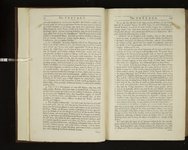
Show CA CA expofe them to the open Sunat firft, but rather let them haye the Morning Sun only, placi them for fome time where they may befhelter’d from cold Winds: They fhould enjoy a Shelter during the twoorthree firft Vir ; after which, the Ca/foberry-Buth may be planted abroad: But the South-Sea Thea ae : in Pots a Year or two longer, of Growth, and will therefore to infufe, becaufe it turns as black as Ink. Toavoiddrinking the I Terb which fwims at the Top, they makeUfe of a Tents, at the Chev may alfo be propagatedbylaying the : ches into the Ground in the French have fhewn to drink after all forts of People, in a Country where many are Pox’d, if rd, will take Root g Spring, fit for Tranfplantathey'll be two Years before t Cafioberry-Bufh is by fieft Plant ofthe two to ftrike. 2 Thea is accounted t e, and (as Ihave een inform’d by feveral worthy Perfons who veral Years in Carol is the | Indians wfe, and for wihich, Times of the Year, they comein me hundred Miles diftant, for the his Tree, (it not being knownto confiderable Diftance from the | ufual Cuftom is, to make he Ground, and putting great Water thereon, they throwintoit a large Quantity of thefe Lea | and imme- mfelves round the Fire, and with holds about a Pint, they begin Draughts, which in a »mits them fe verely ; thus ing and vomiting forthie Days, until they have Ives; then they of the Tree to etire to their Hatlemen obferv’d fomeordinary in the Operation of ich was, that in Vomiting, it hem no Uneafinefs or Pain, but came full Stream from their Mouths, their Heads, or End whereof is a Bowl full of little Holes ; fo that the Liquor fuck’d in a other End is clear from the Herb. They drink round with the fame Pipe, pouring hot Wateron the fame Herb, as it is drank off. Inftead of a Pipe, w hich they call Bombilla, {ome part the Herbwith aSilver Separator, call’d Apartador, full oflittle Holes, The Reluctancy which the has occafion’d the inventing the Ufe of little Glafs-pipes, which they beginto ufe at Lima. This Liquor (he fays) in his Opinion, is better than J. it has a Flavour ofthe Herb, whichis agreeable enough; the People of the x are fo us’dtoit, that even the pooreft drink it once a Day, when: they rife in the Morning. ‘The“Trade or this b (he fays) is catry’d on at Santa hither it is brought up the Ri . There are two Sorts it; the one call? d Yerba de los; and the other, which is er, and of more Virtue, Yerba de Camini: T laft is brought from the Lands belonging to the Jefuits ; the great Confumption of it is between La Paz and 0, Where it is worth half as much more as the other, which is fent to La Paz. There come yearly from Paraguay into Peru above fifty thoufand “roves, twelve thoufand Hundred Weight ofboth Sorts, whereof at leaft one third is ofthe i, without re Souene five tlhoufaand * that Palos for Chili. They for each Parcel, containing fix or feven four Royals for the Daty call’d Ala Rate upon all Goodsfold) which, with the Charge of Carriage, being ove fix hundred Leagues, dou bles the firit Price, which is about two Pieces of Eights fo that at Potofi it comes to about five Pieces of ht the Arrova. The Carri ageis eoinmeute by oN — ay an hurRdred andfifty Fé to Fujuy, the laft Town af the Province of Tucuman 3 and fromthence to Potofi, which is an hundred Leagues farther, it is carry’d on Mules, Frezier alfo fays, That the Spawards who live near the Gold-Mines in Peru, are obliged frequently to drink ofthe Herb or Mate, to moiften their Breafts What this curious Author has obfery’d, which, they are liable to a fort oF on there being twoSortsofthis Herb, may ation, fi om the ftrong Exhalations which very well agree with thofe two Sorts here meny coming from the Mines. tion’d, fince both of them iup gener: ly fuph uthoralfo adds, That the Inha- pos’d to agree in their Qualities, tho” one is bitants of Lima, durring the Day-time, make much preferable to the other; therefore I much Ufe of t » which fome imagine the Yerba de Camini is wh call St. Barthol s Herb, who, they pre- Par “ay, Or South-Sea Thea; tend, came into thoie Provinces, piste he made it wholefome and beneficial, whereas de Palos, to be our Ca/fiob, of which are extreme bi before it wa pefomous: This (he fays) is taken green from the T ree, anc dry, and almoft in Powder. hardly to be gotten out of the trinkir ig the Tinéture or Infufion Hours after chewing a Leaf 2 d : hey put the Herb as our Author only an the dry Be owl made of a Calabafh could no moredift inguifh thei » Wis h they call Mate ; they add than we can the Then she : Wat er upon it, which I mean, as to the parti duce it. CA CA CASTANEtA, [takes its Name from Ca/taneum, a City efia, where this Tree anciently grew in gr eat Plenty.] The Chefnutares: The Ch Hers are 3 it oe le Flowers thin bich are e Diftances from the Fruit on the + ee of the F can’t come to them, otherwife they will foon deftroy them: Before you fet them, it will be proper to put them into Water, to try their Goodnefs, which is known by their Pondero- fity; thofe of them that {wim upon the Surface of the Water, fhould : 2 re jette d as good for nothing; but fuch as may be{ure are coo. In fetting thefeSee ts, the beft Way is, to make a aos with a Hoe (as is commonly prattis ’d in 1. Castanea ; fativa. C. B; The common or manured Chefnut: CasTanea fativa, foliis eleganter varieThe ftrip’d ‘Chefnut. CG ASTANEA 3 pumilis ma, racemofo in fingulis capfilis echinato unico. 1 Alm. The Chinquapin or Dwarf Virginian Cc hefnut. T firft of thefe Trees was formerly in eulenty amoneft us than at prefent, as prov of by the old Buildings in Lond ahhwere for the moft part of this Timbears a Deicription of London, written by b in E the IId’s Time, he EB once welgrew on sre are fome Remains the old Woods and rom London, which Tree is not fogreata r to ourrcllimate as many Peoplebelieve maybecultivated in Engi il Profit ith any of thelarger Timber-trees i e Woodof this Treeis equal in Value to the beft Oak, and, for many Purpofes, far exceeding it; as particularly foe naking els for all Kinds of Liquors, it a oe (when once thoroughly far diftar aintaining its B ulk conftantly, & to fhrink or fwell as other pt to g and I am certainly > Casks, Tuns, &e. their Wines ‘inae are madeofthis Timber; and ic is for that, and mee mor Purpofes, in greater Efteem amongft the Italians than any othe er whatever. It is alfo very valual s to convey Water 1 g as enduring longer than the film or any other Wood: In Italyit is plants for Cop Vood, and is very muchculti vated in Ste ols, to make Stakesfor their Vines ; which being ftuck into the Ground with the Rind on, v endure feven Y ars which is k nger t any other Stakes will do by near ha Time. The Ufefulnefs of the Tim} t ther with the Beauty of the Tree, it as well worth propagating as any e whatever, efpeciallyin Agennes or fmaller ions near a Dwelling-houfe. : a es are propagated by planting the Beds of frefh undung’ d luts for fowing, are fuchas } 5 and are ing: Thefe fon for fow- or other Vermin f | -Beay s) about four four Inches Diftance, vithttheir Eye ee then draw the Earth over them with a Rake, and make a fecondRill at about fix Inches Diftance from the former, proceeding as before, allowing fix Rows ina Bed, withan Alley between two Feet broad, for a Conveniencyofclearing the Beds, &e. When you have finifh’d your Plantation, you muft be careful that it is not de froy’ dby h lice, or other Vermin, which is very nthe Cafe, if they are not prevented by Trraps or other Means. In April thef you muft therefore obferve to from Weeds, efpecially while Beds they may remain for you fhould remove i wider Diftance: planting thefe Trees the latter End of thefe fhould have in Feet, w from Row, 1 Rows: You mutt be careful, to take them up their Roots, nor fhould the of the Ground; but if downright Tap-Ro i efpecially if it be intended again: This will occafion lateral Roots, ang) rend milesvewhenthey The Time ge ner: all urfery is three or keep them cl 2: In thefe cars, when one in tra nfpla nting without injuring | : hem 5 in this rding to their Growth; during you fhould be careful to keep them ee n Weeds, obferving alfo to prune off lateral Branches, whic would retard their upright ¢ I here you find any that are di *’d to grow low, either bytheir upper Buc hurt, or from any other Accident, oe ts the Yearafter planting (in M%ch) cut them down to the lowermoft E4yenext the Surface of the Ground, which will caufe them to oe oneftrong uprightShoot, and maybeafterwards train d into goodftrait Trees. But in doing ofthis, you raat be carefi not to difturb their Roots, which, I might deftroy them. Thefe Trees requir other Manure than their own Leaves, which fhould be fuffer’d to rorupon the Ground ; and in the Spring of the Year, the Ground fiould have a ‘fight digging, when this fhould be bury’ d betwe en their Roots, but not too clofe tothe Trees, which might be injurious to their youngFibres After having remain’d three or four Years the Nurfery, theywill be fit for tranfplanting, |